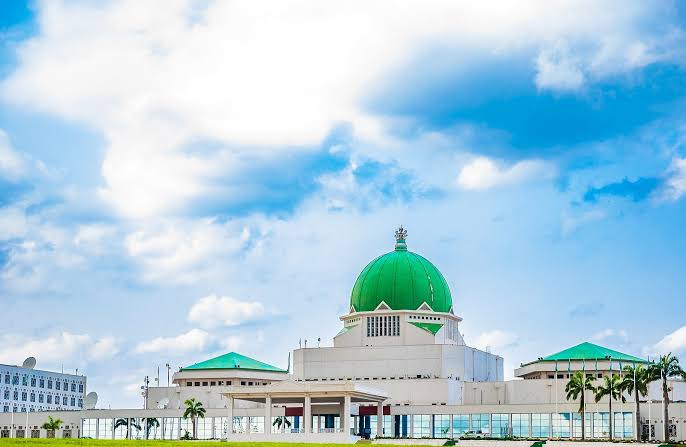
Nigeria’s National Assembly remains one of the most expensive institutions of government to maintain, with annual allocations running into hundreds of billions of naira, while the 1999 Constitution guarantees the independence of the legislature through statutory funding, the cost of sustaining a bicameral parliament has continued to spark debate over the country’s high cost of governance.
The National Assembly consists of 469 lawmakers,109 senators and 360 members of the House of Representatives. Every year, the Federal Government provides statutory allocations from the Consolidated Revenue Fund to finance the operations of both chambers, their legislative bureaucracy, and administrative activities.
Although supporters argue that a well-funded parliament is essential for democracy, many Nigerians question whether the enormous cost of maintaining the legislature matches its legislative output, especially at a time when the country faces economic hardship, rising debt, unemployment, and mounting infrastructure deficits.
Constitutional Backing for Legislative Funding
The 1999 Constitution provides the legal basis for financing the National Assembly. Sections 70 and 84 empower the Revenue Mobilisation, Allocation and Fiscal Commission (RMAFC) to determine the salaries and allowances of political office holders, including lawmakers.
This arrangement prevents legislators from fixing their own salaries and ensures that the National Assembly receives statutory transfers directly from the Consolidated Revenue Fund. These allocations cover personnel costs, overheads, committee activities, legislative aides, maintenance of the National Assembly complex, and other operational expenses.
Why the National Assembly Costs So Much
Nigeria operates a bicameral legislature comprising the Senate and the House of Representatives. Maintaining two legislative chambers significantly increases recurrent expenditure.
Beyond lawmakers’ official salaries, government funding also covers committee work, legislative research, administrative staff, constituency offices, accommodation, official vehicles, security, foreign trips, office maintenance, and thousands of legislative aides attached to members.
The National Assembly also manages one of the country’s largest legislative bureaucracies, requiring substantial yearly funding for salaries, utilities, equipment, technology, and institutional support.
Annual Budget Runs Into Billions
Over the years, statutory allocations to the National Assembly have ranged from about ₦120 billion to more than ₦190 billion annually, depending on the federal budget and government priorities.
A significant share of these allocations goes toward recurrent expenditure rather than capital projects. Running costs, staff salaries, committee activities, oversight visits, official travel, and administrative expenses account for much of the yearly budget.
This spending pattern has fueled criticism from civil society groups and fiscal policy experts, who argue that more resources should go toward infrastructure, healthcare, education, and social welfare.
Lawmakers’ Salaries Tell Only Part of the Story
According to the Revenue Mobilisation, Allocation and Fiscal Commission (RMAFC), a senator’s official monthly salary and approved allowances total about ₦1.06 million.
However, analysts note that this figure does not reflect the full cost of maintaining federal lawmakers. Additional allowances,including accommodation, furniture, vehicle maintenance, utilities, entertainment, domestic staff, and other approved benefits,substantially increase the total annual cost per legislator.
Transparency advocates have repeatedly called for greater public disclosure of lawmakers’ total remuneration, arguing that many operational and running costs remain difficult for citizens to scrutinise.
Nigeria Among the World’s Most Expensive Legislatures
International comparisons frequently place Nigeria among the countries with the highest-paid legislators relative to average national income.
Although lawmakers in countries such as the United States and Australia may receive higher nominal salaries, analysts often rank Nigeria and Singapore among the most expensive legislatures when compensation is measured against citizens’ average earnings and national income levels.
This comparison continues to fuel public concern over whether legislative spending reflects Nigeria’s economic realities.
Growing Calls for Reform
Economists, governance experts, and civil society organisations have consistently urged the government to reduce the cost of governance by reviewing legislative spending.
Many recommend greater transparency in lawmakers’ allowances, stricter oversight of statutory allocations, and reforms that channel more public funds into productive sectors capable of stimulating economic growth and improving public services.
Supporters of reform argue that reducing recurrent expenditure within government institutions could free up billions of naira for education, healthcare, infrastructure, agriculture, and social investment programmes.
As Nigeria continues to grapple with fiscal pressures and competing development needs, the cost of maintaining the National Assembly remains one of the country’s most contentious governance issues. The debate now extends beyond how much lawmakers earn to whether public spending on the legislature delivers value that justifies its enormous financial burden.