
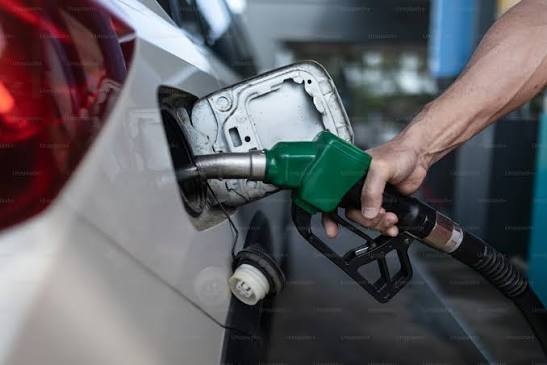
The latest surge in petrol prices is putting fresh pressure on Nigerians, with Premium Motor Spirit, popularly known as petrol, selling for between ₦1,400 and ₦1,450 per litre in several parts of the country.
For many Nigerians, the increase goes beyond the filling station, with commuters, commercial drivers, households and small businesses already feeling the impact through higher transportation and operating costs.
Nigerians are once again counting the cost of rising petrol prices as the pump price of Premium Motor Spirit (PMS) climbs above ₦1,400 per litre in several parts of the country.
Recent reports indicate that petrol prices have risen to between ₦1,400 and ₦1,450 per litre across major Nigerian cities, amid renewed volatility in the global oil market and crude oil prices rising above $100 per barrel.
The latest increase has added to the financial pressure facing households and businesses, with transportation emerging as one of the most immediate areas of concern.
For commuters who depend on public transport every day, an increase in the price of petrol can quickly translate into higher fares as commercial transport operators try to cover the rising cost of running their vehicles.
The pressure is also being felt by commercial drivers, whose daily expenses include fuel, vehicle maintenance and other operating costs.
For small businesses, the impact can extend beyond transportation. Businesses that depend on vehicles for deliveries, movement of goods or daily operations may also face higher costs, which can eventually affect the prices paid by consumers.
A growing burden on households
For many families, transportation is already a significant part of their daily expenses.
Workers who commute to work, students travelling to school and traders moving between markets are among those who may have to adjust their spending when transport costs increase.
The concern is that higher transportation costs can also affect other areas of household spending, particularly when families are already managing food, rent, school fees, healthcare and other essential expenses.
The recent development comes after several adjustments in petrol prices this year. In August, the Dangote Petroleum Refinery increased its petrol gantry price on multiple occasions, with the price moving from ₦1,165 per litre to ₦1,185, then ₦1,200 and subsequently ₦1,265 within the month.
The latest September movement has pushed pump prices even higher in several locations.
Nigerians speak
For many Nigerians, the issue is no longer simply about the price displayed at a filling station. It is about how far their income can stretch when the cost of moving from one place to another continues to rise.
Some commuters say they are having to reconsider how often they travel, while commercial drivers say increased fuel costs put additional pressure on their daily earnings.
Small business owners also face difficult choices as they try to absorb higher transportation and logistics costs without passing the entire burden to their customers.
The concerns highlight how changes in the price of petrol can have effects across different parts of the economy.
What is driving the increase?
The latest petrol-price movement has occurred against the backdrop of rising international crude oil prices.
Recent reports have linked the increase in global crude prices to disruptions in the international oil market, with Brent crude moving above $100 per barrel. Nigeria’s downstream petroleum market has also become increasingly sensitive to movements in crude prices and the cost of refined petroleum products.
With the Dangote Refinery now playing a major role in supplying petrol to the Nigerian market, changes in its gantry price can have implications for prices charged by marketers and retailers.
The refinery has continued to expand its role in Nigeria’s fuel supply, while also participating in the international market. Reuters reported that the refinery recorded significant profits in the first half of 2026 and has become an important supplier to international markets.
The human cost
But behind the numbers are Nigerians trying to navigate their everyday lives.
A worker earning a fixed monthly salary may have little room to accommodate another increase in transportation costs.
For a commercial driver, higher fuel prices can mean spending more of the day’s earnings on fuel.
For a small business owner, increased logistics costs can make it harder to maintain existing prices.
And for households, another increase in the cost of transportation can mean making difficult choices about other expenses.
As petrol prices continue to fluctuate, Nigerians are calling for measures that can reduce the pressure on households and businesses and make transportation more affordable.
The latest increase has therefore become more than an energy-market story. For millions of Nigerians, it is a question of how much it now costs to work, trade, study, travel and simply get through the day.