REA renewable funding has reached a major milestone as the Rural Electrification Agency secured $1.23 billion to expand electricity access across Nigeria, the investment will support mini-grids, solar hybrid systems and other renewable energy projects in underserved communities.
The REA funding package will accelerate the deployment of mini-grids, solar hybrid systems and other off-grid solutions. It will also bring reliable electricity to millions of Nigerians living in underserved communities.
REA Managing Director Dr. Abba Aliyu announced the funding in Abuja. He spoke during a benchmarking visit by the Zanzibar Utilities Regulatory Authority (ZURA). The visit focused on knowledge sharing in system dispatch, grid stability and electricity coordination.
Aliyu said the agency now has several funding sources to drive electrification projects across Nigeria.
How the $1.23 Billion Will Be Used
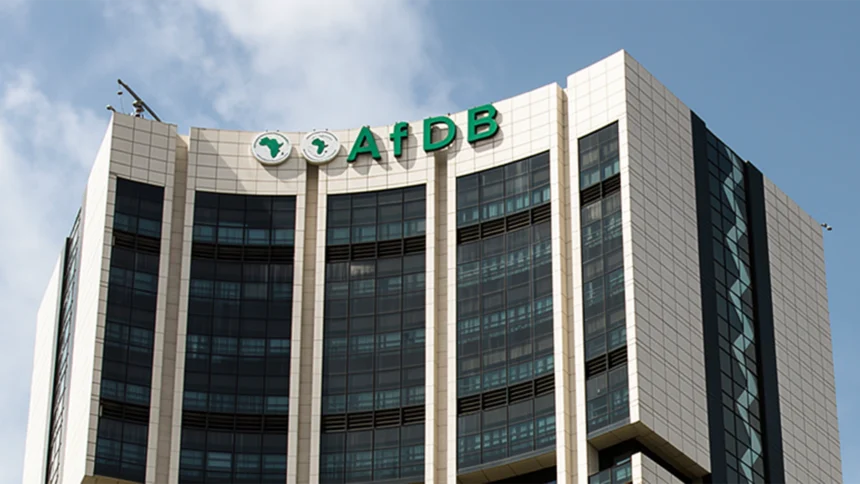
The REA funding package combines support from several development partners. The Distributed Access through Renewable Energy Scale-Up (DARES) programme provides $750 million. The African Development Bank (AfDB) contributes $200 million.
In addition, KEP is providing $7.3 million, while IMAS is contributing $10.9 million. NPPSSI is adding $64 million to the financing package.
Furthermore, REA receives support through National Assembly appropriations, federal government intervention funds, bilateral grants, donor agencies and allocations linked to the Nigerian Electricity Regulatory Commission (NERC).
According to Aliyu, the agency will use the funds to expand clean, affordable and reliable electricity. The projects will reduce dependence on petrol and diesel generators. They will also improve livelihoods and support economic growth.
Mini-Grids Continue to Expand
REA has continued to expand renewable energy infrastructure across Nigeria. So far, it has established 48 interconnected mini-grid sites in 19 states.
The projects operate with 10 electricity distribution companies (DisCos) serving as off-takers. Together, they have delivered more than 252,500 new and improved electricity connections.
Moreover, the programme has deployed 213.3 megawatts peak (MWp) of solar photovoltaic capacity. It currently serves about 82.5 megawatts of peak electricity demand.
Why Nigerians Prefer Renewable Energy
Aliyu said many customers willingly pay about ₦250 per kilowatt-hour for electricity from mini-grids.
He explained that the tariff remains much cheaper than running private generators. Many households spend about ₦600 per kilowatt–hour when they rely on petrol or diesel generators.
As a result, many rural communities now prefer renewable energy because it is cleaner, more reliable and more affordable.
What REA Funding Means for Nigeria
Aliyu also highlighted the growing role of Renewable Energy Service Companies (RESCOs). He said several RESCOs now manage electricity portfolios that rival those of some distribution companies.
Some RESCOs already operate around 30 megawatts of capacity. Meanwhile, others are preparing to manage portfolios exceeding 100 megawatts.
Consequently, these companies could become major players in Nigeria’s electricity sector. They will generate power, distribute electricity, install meters and connect more homes and businesses.
Overall, the REA funding marks one of the agency’s biggest financial milestones. The investment will expand electricity access, strengthen rural economies and create more jobs. It will also support Nigeria’s transition to cleaner and more sustainable energy solutions.