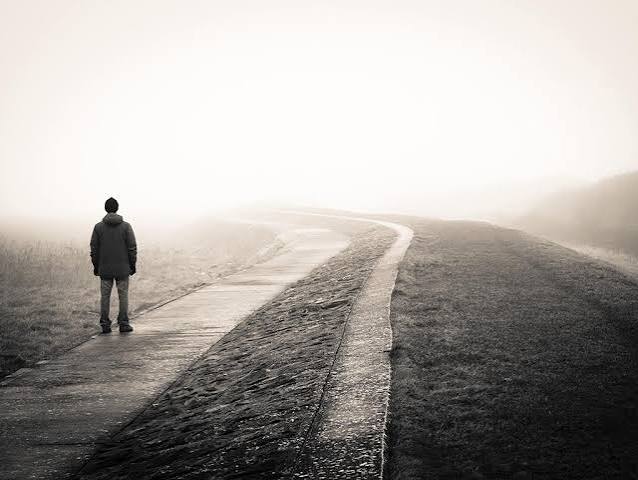
Have you ever been surrounded by people but still felt completely alone?
In a world where staying connected has never been easier, more people than ever say they feel isolated. From endless social media interactions to busy work schedules, many people discover that being constantly connected does not always mean feeling truly connected. Loneliness no longer affects only older adults. It increasingly impacts young people, professionals, students and even those with active social lives. The question is: how did we become so connected, yet so alone?
The digital connection paradox
Technology has transformed the way people communicate. Messages travel instantly, video calls bridge continents and social media allows us to keep up with hundreds of people at once. However, many of these interactions remain superficial. Instead of having deep conversations, many people settle for likes, emojis and short replies. Although these forms of communication have their place, they cannot replace the genuine human connection built through shared experiences, trust and presence.
Social media and the comparison trap
The pressure to present a perfect life online often makes loneliness worse. Many people compare their private struggles with carefully curated online lives and assume everyone else is happier, more successful or surrounded by stronger friendships. Ironically, people who appear highly connected online may still struggle with loneliness behind the scenes.
Why loneliness keeps growing
Modern lifestyles have changed the way people build relationships.
Remote work limits daily face-to-face interaction for many employees. Students spend more time learning online. Families often live far apart because of work or education, while demanding schedules leave little time to maintain friendships. Urbanisation has also reshaped communities. Neighbours who once knew one another may now barely exchange greetings. Many people live in crowded cities but have very few people they can genuinely confide in.
Life transitions can also trigger loneliness. Graduating from school, relocating to a new city, starting a new job, losing a loved one or ending a relationship can all leave people feeling disconnected. These experiences are common, yet many people avoid talking about loneliness because they fear judgement or misunderstanding.
The hidden cost of loneliness
Loneliness is more than an unpleasant emotion. Research links prolonged loneliness to increased stress, anxiety and depression. It can disrupt sleep, reduce motivation and even affect physical health by increasing the risk of cardiovascular disease and weakening the immune system.
Perhaps most worrying is that loneliness often feeds itself. The longer people feel isolated, the harder it becomes to reach out, creating a cycle that is difficult to break. For this reason, many experts now describe loneliness as a public health concern rather than simply a personal feeling.
Breaking loneliness does not require having hundreds of friends. Often, it starts with one meaningful relationship, one honest conversation or one community where people feel seen and valued.
Checking in on a friend, joining a local group, volunteering, spending time with family or putting away digital distractions during conversations can strengthen genuine human connections.
Why this conversation matters
Loneliness is one of the defining challenges of our time, yet society rarely discusses it with the seriousness it deserves. As technology continues to reshape how we live and communicate, the need for authentic human connection has never been greater. The next time someone says they are “fine”, remember that appearances can be deceiving. Sometimes, the greatest gift we can offer is not advice or solutions, but simply our presence.