
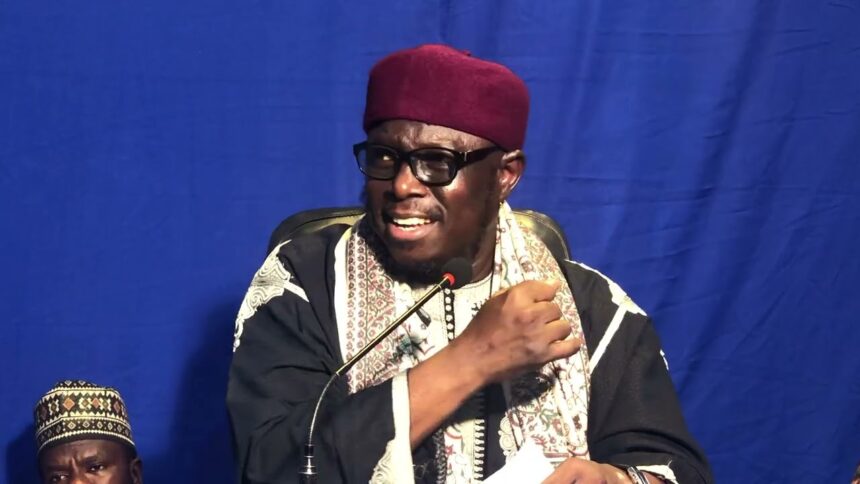
Education advocate and Islamic scholar Aminu Ibrahim Daurawa has highlighted the importance of combining formal education with vocational skills, describing it as one of the most effective ways for young people to build a stable and successful future.
In a post shared on his verified Facebook page, Daurawa outlined how learning a trade alongside academic studies can help youths become self-reliant, financially independent and productive members of society.
According to him, students who combine education with vocational training gain both theoretical knowledge and practical skills at the same time, making them better prepared for life after graduation.
He noted that acquiring a skill before completing school creates an opportunity for young people to earn a legitimate income, reducing dependence on parents and easing the financial burden associated with education.
Daurawa also stressed that vocational skills can help tackle youth unemployment by equipping young people with the ability to create jobs rather than waiting for government or private-sector employment.
He added that engaging in productive work keeps youths away from social vices, including drug abuse, criminal activities and other harmful behaviours, while promoting discipline, patience and effective time management.
According to him, entrepreneurship also teaches financial management and business development, helping young people understand how to manage resources, build enterprises and plan for long-term growth.
He explained that youths who develop vocational skills gain confidence through practical experience and improve their ability to interact with customers, employers and members of the public.
Daurawa further stated that successful small businesses can eventually employ other people, contributing to job creation and economic development within communities.
He said combining education with entrepreneurship encourages innovation and creativity, enabling young people to identify problems and develop practical solutions that benefit society.
The education advocate also argued that vocational experience increases employability, as many employers value candidates who possess both academic qualifications and hands-on skills.
He maintained that learning a legitimate trade protects the dignity of young people by reducing reliance on others and discouraging begging or idleness.
Daurawa added that when combined with quality education, lawful means of earning a living contribute to a more secure and prosperous future while helping to reduce poverty.
He concluded by urging young people to embrace both education and vocational training, saying the combination strengthens their intellectual development, economic independence and moral values.
According to him, youths who pursue academic knowledge alongside lawful skills place themselves in a better position to contribute meaningfully to their families, communities and the nation’s development.