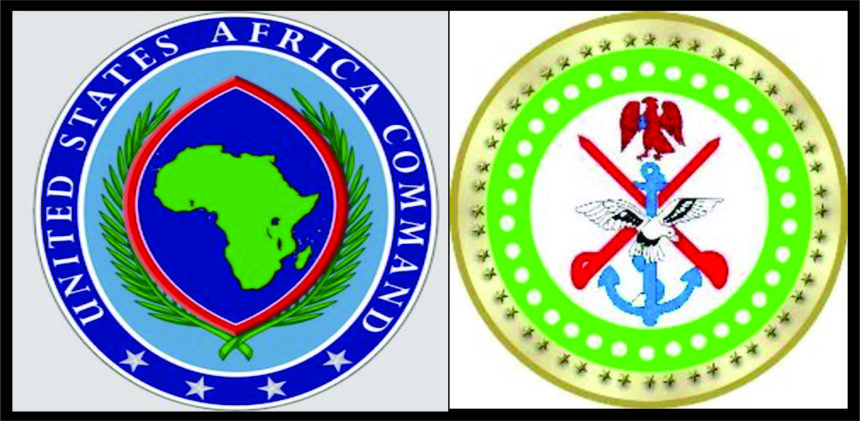
The United States Africa Command (AFRICOM) has reaffirmed its commitment to military cooperation with Nigeria. The command described the relationship as a partnership built on mutual interests and shared security goals.
According to AFRICOM, both countries continue to work together to address security threats affecting Nigeria and the wider West African region. As a result, the partnership has become an important pillar of regional stability.
AFRICOM said Nigeria remains a key partner in efforts to combat terrorism, piracy, and violent extremism. These threats continue to pose significant challenges across West Africa.
Furthermore, the command noted that close cooperation helps improve the ability of both countries to respond to emerging security concerns. Consequently, joint efforts have strengthened regional security operations.
Officials also stressed that a stable Nigeria contributes to peace and development across the region. Therefore, strengthening security cooperation remains a priority for both nations.
A major aspect of the partnership involves military training and professional development. AFRICOM said it continues to support programmes designed to improve the operational readiness of Nigeria’s armed forces.
Additionally, these initiatives focus on leadership development, strategic planning, and specialised training. As a result, Nigerian security personnel gain skills needed to address modern security challenges.
The command added that capacity-building programmes play a crucial role in strengthening military institutions. Moreover, they help improve coordination and effectiveness during security operations.
Another important area of cooperation is intelligence sharing. AFRICOM said both countries exchange information to improve threat detection and response strategies.
Meanwhile, security agencies from both nations continue to collaborate on identifying and disrupting terrorist activities. According to officials, intelligence cooperation remains one of the most effective tools in modern counterterrorism efforts.
Furthermore, information sharing helps security forces make informed decisions and respond quickly to potential threats.
Counterterrorism continues to be a central focus of the US-Nigeria military partnership. AFRICOM highlighted ongoing efforts to combat insurgent groups operating in northern Nigeria and the Lake Chad region.
The command explained that sustained cooperation is essential for weakening extremist networks. In addition, joint operations help protect communities affected by violence and insecurity.
Officials noted that long-term success requires continued collaboration between national and international partners. Therefore, both countries remain committed to supporting counterterrorism initiatives.
AFRICOM emphasized that all military engagements respect Nigeria’s sovereignty and national interests. According to the command, every activity takes place within agreed frameworks established by both governments.
However, officials rejected suggestions that the partnership compromises Nigeria’s independence. Instead, they described the relationship as one based on mutual respect and shared objectives.
This approach, they said, ensures that cooperation remains beneficial to both countries.
Military relations between the United States and Nigeria have expanded significantly over the years. The partnership now includes joint military exercises, security dialogues, and defence assistance programmes.
Moreover, these engagements help strengthen trust and improve operational coordination between both armed forces. As a result, both countries are better equipped to address complex security threats.
Officials also pointed to Nigeria’s strategic importance in Africa. Consequently, continued cooperation remains vital to regional peace and stability.
AFRICOM said the US-Nigeria military partnership will continue to evolve as security challenges change. The command expressed confidence that deeper cooperation will enhance security outcomes in the future.
Additionally, ongoing investments in training, intelligence sharing, and capacity building are expected to strengthen existing gains.
Ultimately, both nations remain committed to promoting peace, stability, and development across Nigeria and West Africa. Therefore, the partnership is expected to remain a key component of regional security efforts for years to come.