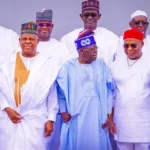

A wave of reactions has trailed a social media post urging the former Vice President Atiku Abubakar to step aside and allow younger politicians to take the lead in Nigeria’s governance.
In the post shared on X (formerly Twitter), the user argued that the country requires “healthy and vibrant politicians” capable of driving meaningful progress. The message bluntly suggested that older figures should retire from active politics, limiting their roles to offering “prayers and blessings.”
The post reads in part: “Go and retire so that healthy and vibrant politicians will move this country forward. An ancestor has nothing to offer us, except prayers and blessings. Sir, let Nigeria be OK.”
The comment reflects a broader and recurring debate within Nigeria’s political space over generational leadership and succession. Many young Nigerians have, in recent years, pushed for increased inclusion in governance, citing the need for innovation, energy, and a better grasp of contemporary socio-economic challenges.
However, proponents of experienced leadership argue that age brings institutional memory, strategic depth, and stability—qualities they say remain critical in navigating Nigeria’s complex political landscape.
The latest remark underscores growing public impatience, particularly among youth demographics, who continue to demand reforms, accountability, and a shift from long-standing political dominance by older elites.
As reactions continue to pour in, the discussion highlights an enduring tension between experience and generational change in Nigeria’s evolving democracy.