
Energy markets are back in turbulence mode and this time, geopolitics is firmly in the driver’s seat.
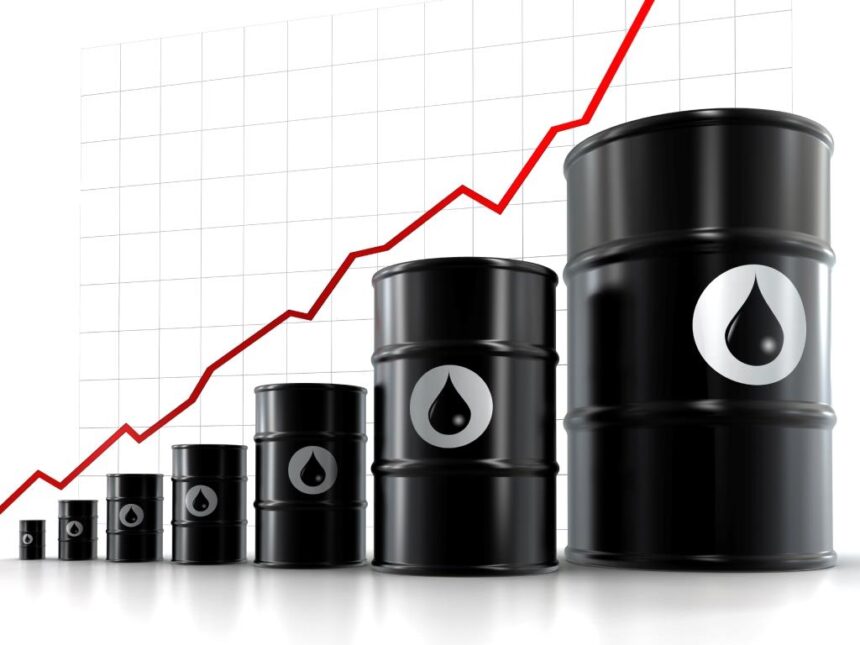
Crude oil prices spiked nearly 4% in early trading, jolting investors after fresh reports of naval friction in the Strait of Hormuz arguably the most sensitive artery in the global energy system. The tension escalated after Tehran signaled that vessels may now need permission to pass through the corridor, raising immediate concerns about supply disruptions.
That single development was enough to shift market sentiment almost instantly.
The stakes are enormous. Roughly 20% of the world’s oil and gas supply flows through the Strait of Hormuz, making it a critical chokepoint with no real short term alternative. Even minor restrictions or perceived threats can send shockwaves across global markets.
Traders are no longer just watching supply and demand data they’re reacting to headlines, military movements, and diplomatic signals. The result is a market driven by uncertainty, where prices can swing sharply within hours.
What’s fueling the anxiety isn’t just the current friction, but the risk of escalation. Any prolonged disruption could tighten global supply, push shipping insurance costs higher, and delay cargo movement across continents. For energy markets, that translates directly into higher prices and heightened volatility.
This also introduces a familiar but powerful factor: the geopolitical risk premium. Every barrel of oil now carries added cost not because of scarcity today, but because of fear about tomorrow.
For oil-producing nations like Nigeria, rising prices can offer a short-term revenue boost. But the upside comes with trade offs, including inflationary pressure and broader global economic instability that can ripple back into domestic markets.
Investors are bracing for a volatile session and possibly a volatile stretch ahead.
The bigger picture is clear. This isn’t just a routine price spike; it’s a reminder of how fragile global energy flows remain. When a single waterway like the Strait of Hormuz becomes unstable, the entire market feels it.
Right now, oil isn’t just trading on fundamentals it’s trading on tension.