
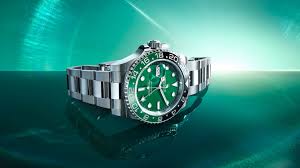
I always wondered why wristwatches are so expensive. I mean, isn’t it just for checking time and making your wrist look good?
At first glance, that’s true. Your phone can tell time for free, and there are cheap watches everywhere. But luxury watches are priced differently because buyers are paying for far more than just timekeeping.
A high-end watch is closer to a tiny machine built by master craftsmen. Some mechanical watches contain hundreds of miniature moving parts working together with incredible precision. In brands like Rolex, Patek Philippe, and Audemars Piguet, watchmakers can spend days or even weeks assembling and polishing a single movement by hand.
The materials also raise the cost. Luxury watches often use sapphire crystal that resists scratches, precious metals like gold or platinum, titanium, ceramic, and sometimes diamonds. Many brands also invest heavily in designing and manufacturing their own movements in-house instead of buying generic parts.
Another big reason is prestige and scarcity. Some watch brands have existed for more than 100 years, and their reputation alone adds value. Certain models are intentionally produced in limited numbers, which creates huge demand and pushes prices even higher — especially in the resale market.
For many collectors, a luxury watch is not just jewelry or a tool. It is engineering, art, heritage, and sometimes even an investment asset that can appreciate in value over time.
That said, not every expensive watch is automatically “worth it.” Some people buy them for status, some for craftsmanship, and others simply because they love watches.