Cleopatra VII Philopator was famous for her intelligence, political skill, and striking appearance, as the last active pharaoh of the Ptolemaic Kingdom of Egypt, she used beauty and fashion to strengthen her royal image.
Although Cleopatra came from a Macedonian Greek family descended from Ptolemy I Soter, she embraced Egyptian traditions more deeply than many rulers before her.
She learned the Egyptian language and adopted local customs, including traditional Egyptian makeup and beauty rituals.
Cleopatra became especially known for her dramatic eye makeup. She used dark black kohl made from galena, soot, and natural oils to create long almond-shaped eyes.
This style gave her a bold and elegant appearance while also protecting her eyes from sunlight, dust, and possible infections. She also wore bright green malachite paste on her eyelids and sometimes used blue mineral pigments, likely made from lapis lazuli, to add colour and richness to her look.
Her beauty routine included darkened eyebrows and red pigments on her lips and cheeks. Egyptians commonly used ochre and other natural minerals to create these colours.
Some historical stories claim that ancient cosmetics included shimmering materials or crushed insects, though historians are uncertain whether Cleopatra personally used those mixtures. In ancient Egypt, makeup was not only decorative but also connected to status, health, and spirituality.
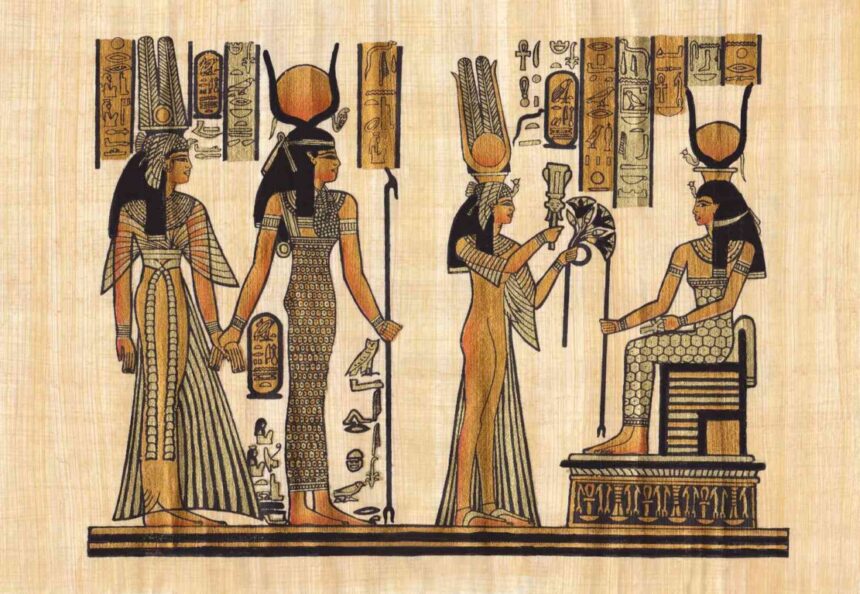
Cleopatra carefully used her appearance to project power, intelligence, and divine authority. She linked herself to the goddess Isis and presented herself as a strong and capable ruler.
Although Roman writers often focused on her relationships with Julius Caesar and Mark Antony, modern historians believe her success came mainly from her education, diplomacy, and leadership.
Even after her death in 30 BC following the Battle of Actium, Cleopatra’s beauty style and iconic makeup continued to influence fashion and popular culture for centuries.