A fresh wave of political realignment is unfolding ahead of the 2027 general elections, as Nigerian governors intensify efforts to secure senatorial tickets, sidelining incumbent lawmakers through consensus arrangements.
Investigations show that no fewer than 10 sitting and former governors are actively positioning themselves for Senate seats, leveraging their dominance over party structures in their states. This development is largely driven by the fact that many governors are approaching the end of their constitutionally allowed two terms in office by May 2027.
Across several states, the use of “consensus” has emerged as a strategic tool to avoid competitive primaries. Party stakeholders are reportedly endorsing governors or their preferred candidates as sole aspirants, often compelling rivals to withdraw or step aside. In many cases, primaries are either rendered symbolic or completely bypassed.
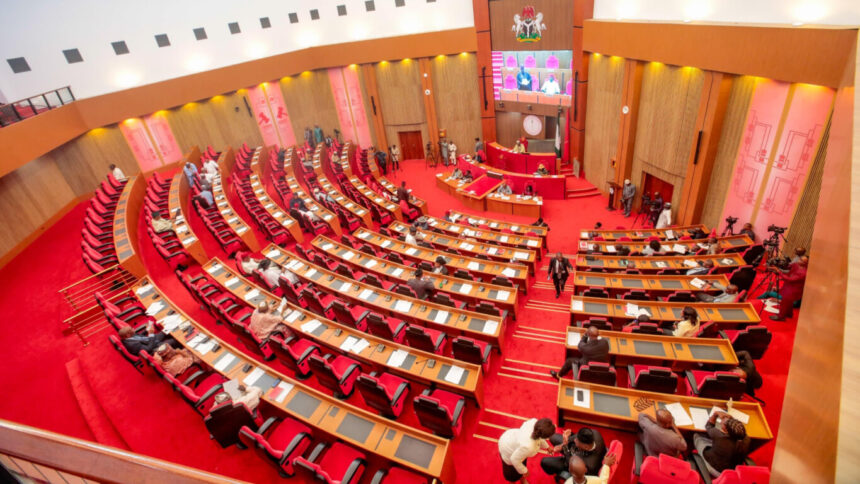
The trend has begun to unsettle the political landscape, particularly within the National Assembly, where incumbent senators face increasing uncertainty over their chances of securing return tickets. Some lawmakers have reportedly been pressured into abandoning re-election bids, while others are being edged out entirely.
The situation gained further traction following President Bola Ahmed Tinubu’s stance on party primaries. Despite appeals from lawmakers for automatic tickets, the president reaffirmed that governors remain the dominant political figures within their states and should determine candidate selection processes.
In states like Yobe, Imo, Adamawa, and Nasarawa, consensus arrangements have already produced clear outcomes, with governors or their allies emerging as preferred candidates. In some instances, incumbent senators have openly declared support for governors, citing party unity and loyalty as justification for stepping down.
However, not all states are experiencing smooth transitions. In Ogun State, tensions have escalated into open political rivalry, as Governor Dapo Abiodun’s senatorial ambition clashes with that of incumbent Senator Gbenga Daniel, exposing cracks within party ranks.
Analysts describe the development as a “consensus coup,” warning that while it may reduce internal party conflicts, it raises concerns about internal democracy and the marginalisation of grassroots participation. Critics argue that the growing influence of governors could weaken democratic processes by limiting open competition and voter choice within party structures.
As preparations for 2027 intensify, the evolving battle for Senate tickets is expected to further reshape alliances, deepen intra-party tensions, and redefine the balance of power between governors and federal lawmakers.