Every year on June 12, Nigerians reflect on a date that changed the country’s political history. More than three decades after the 1993 presidential election, the day remains a symbol of the struggle for democracy, justice, and good governance.
The election was meant to end years of military rule and usher in Nigeria’s Third Republic. Instead, it became one of the most significant political events in the nation’s history.
On June 12, 1993, Nigerians voted in what many still regard as the country’s most credible election.
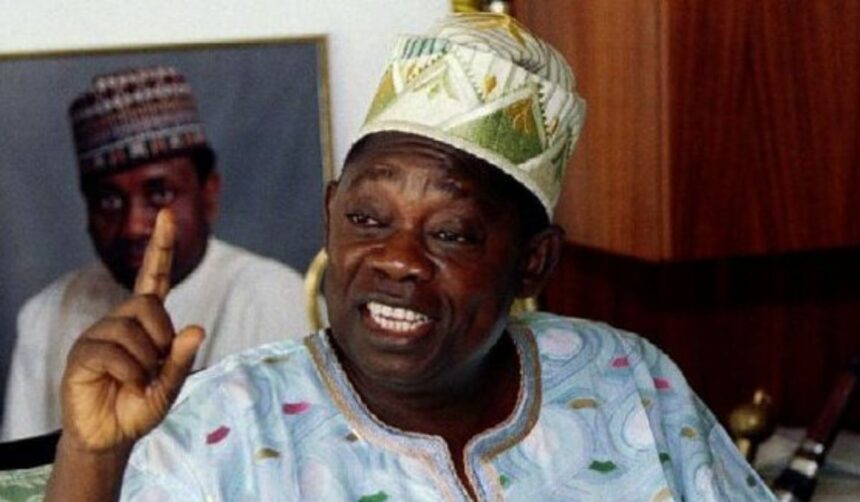
Businessman and philanthropist MKO Abiola contested on the platform of the Social Democratic Party (SDP). His running mate was Babagana Kingibe. They faced Bashir Tofa of the National Republican Convention (NRC).
The election stood out because it united Nigerians across ethnic, regional, and religious lines. Voters focused more on leadership and national progress than on identity politics. Despite concerns over the SDP’s Muslim-Muslim ticket, people across the country supported the party.
Although the National Electoral Commission never released the full official results, available figures showed that Abiola had secured a clear lead and was heading for victory.
More than 30 years later, many Nigerians still describe the June 12 election as the freest and fairest in the country’s history. Political analysts, historians, and civil society groups continue to use it as the benchmark for credible elections.
On June 23, 1993, military Head of State General Ibrahim Babangida annulled the election. The decision came just days after Nigerians had cast their votes.
The announcement shocked the nation. Citizens, pro-democracy groups, and activists protested across the country. They demanded that the government respect the people’s mandate.
The crisis deepened political tensions and created uncertainty about Nigeria’s future.
Facing growing pressure, Babangida stepped aside in August 1993. He handed power to an interim government led by Ernest Shonekan. However, the arrangement lasted only a few months.
In November 1993, General Sani Abacha seized power and returned the country to military rule.
MKO Abiola refused to give up his claim to victory. In 1994, he declared himself the rightful president of Nigeria.
The military government responded by arresting him on treason charges. Authorities kept him in detention for four years.
His imprisonment turned him into a powerful symbol of democratic resistance. Activists, journalists, labour unions, and civil society organizations continued to campaign for his release and for the restoration of democracy.
On July 7, 1998, Abiola died in government custody. His death occurred as Nigeria prepared for another transition to civilian rule. Many Nigerians viewed his death as the ultimate sacrifice in the struggle for democracy.
Nigeria eventually returned to democratic rule in 1999. The country initially celebrated Democracy Day on May 29, the date military leaders handed power to an elected civilian government.
However, many Nigerians believed the true spirit of democracy was rooted in the events of June 12 and the sacrifices that followed.
In 2018, President Muhammadu Buhari officially moved Democracy Day from May 29 to June 12. The decision honoured MKO Abiola and recognized the significance of the 1993 election.
The move also acknowledged the sacrifices made by countless Nigerians who fought for democratic rule.
Today, June 12 represents far more than a public holiday. It reminds Nigerians of the importance of free elections, accountable leadership, and the power of the people’s vote.
The election remains a unique moment in Nigeria’s political history. More than three decades later, many still regard it as the nation’s most free, fair, and credible election. It continues to serve as the standard against which other elections are judged.
As Nigeria celebrates another Democracy Day, June 12 stands as a reminder that democracy requires courage, sacrifice, and vigilance. The legacy of the 1993 election continues to inspire Nigerians to protect and strengthen the democratic values for which so many fought.