
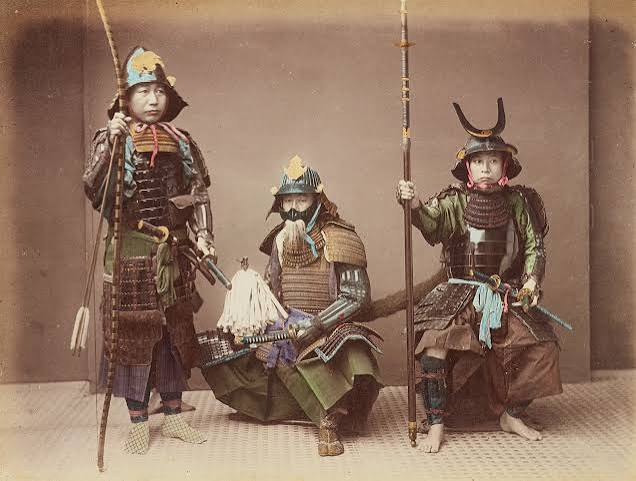
For more than 700 years, the samurai shaped Japan’s history with their courage, discipline and unwavering loyalty, fought fierce battles, protected powerful rulers and built a legacy that still fascinates the world.
Today, films, books, anime and video games celebrate these legendary warriors. Most people recognize the katana and the distinctive armor. However, the real story of the samurai reaches far beyond the battlefield. It tells the story of ordinary guards who rose to power and transformed an entire nation.
From Local Guards to Powerful Warriors
The samurai first appeared during Japan’s Heian Era (794–1185). Emperor Kanmu ruled the country from Kyoto, but his government struggled to control distant provinces. As crime and local conflicts increased, wealthy landowners and provincial governors hired skilled fighters to protect their estates.
People called these warriors samurai, a word that means “those who serve.” At first, they guarded property and defended influential families. Before long, they gained wealth, influence and political power.
Two warrior families eventually dominated the country. The Minamoto and Taira clans competed for control and drew Japan into one of its greatest conflicts.
The War That Changed Japan
The rivalry between the Minamoto and Taira clans erupted into the Genpei War in 1180.
After five years of fighting, Minamoto Yoritomo defeated the Taira clan and changed Japan forever. He established the Kamakura Shogunate, the country’s first military government, and took the title of shogun.
Although the emperor remained on the throne, the shogun controlled the government. From that point, the samurai directed Japan’s political future for centuries.
The Code That Defined a Samurai
The samurai earned respect not only for their fighting skills but also for their values.
They followed Bushidō, which means “The Way of the Warrior.” This moral code drew inspiration from Zen Buddhism, Confucianism and Japan’s traditional beliefs.
Bushidō encouraged loyalty, courage, honesty, self-control and respect. Every samurai had to protect both personal honour and family reputation.
When a warrior failed in battle or lost honour, some chose seppuku, a ritual act of suicide. They believed this final act restored dignity and demonstrated responsibility for their actions.
More Than the Famous Katana
Many people think of the katana whenever they hear the word samurai. However, early warriors relied mainly on horseback archery.
They mastered the yumi, a powerful longbow that allowed them to attack from a distance. They also carried spears and naginata, long pole weapons that proved highly effective in battle.
As warfare evolved, the katana became the samurai’s signature weapon. Master swordsmiths forged each blade with extraordinary skill, turning every sword into both a weapon and a symbol of honour.
Samurai also wore carefully designed amour that balanced strength with mobility. Skilled craftsmen used iron plates, leather and silk cords to create amour that protected warriors without restricting movement.
Peace Changed the Warrior Class
After years of conflict, Tokugawa Ieyasu united Japan in 1603 and established the Tokugawa Shogunate.
His victory began the Edo Period, which brought more than 250 years of peace.
Without constant wars to fight, many samurai accepted new responsibilities. They worked as government officials, teachers, scholars and administrators instead of soldiers. Even though they carried swords, many never entered a battlefield.
Their influence remained strong because society still placed them at the top of the social order.
The Fall of the Samurai
The nineteenth century brought dramatic change to Japan.
Western nations arrived with modern technology and military power, forcing Japan to rethink its future. In 1868, the Meiji Restoration ended the feudal system and returned political authority to the emperor.
The new government built a modern army and abolished the samurai class. It also ended the samurai’s exclusive right to carry swords.
Some former samurai embraced the new era and built successful careers in politics, business and education. Others resisted the reforms. Their final stand came during the Satsuma Rebellion of 1877, but government forces crushed the uprising and brought the samurai age to a close.
A Legacy That Lives On
Although the samurai no longer rule Japan, their influence remains everywhere.
Martial arts schools continue to teach values such as discipline, respect and perseverance. Museums display their amour and swords, while historians continue to study their remarkable achievements.
Meanwhile, filmmakers, writers and game developers introduce new generations to the world of the samurai. Their stories continue to inspire audiences because they celebrate courage, loyalty and determination.
The samurai no longer ride into battle, yet their legacy continues to shape Japan’s identity. Few warrior traditions have influenced history so deeply or captured the world’s imagination so completely.