The Civil Society Legislative Advocacy Centre (CISLAC), Nigeria’s chapter of Transparency International, has called for an immediate investigation into the alleged diversion and mismanagement of ₦36.9 billion from a Kogi State security account, raising fresh concerns over transparency and accountability in the administration of security funds.
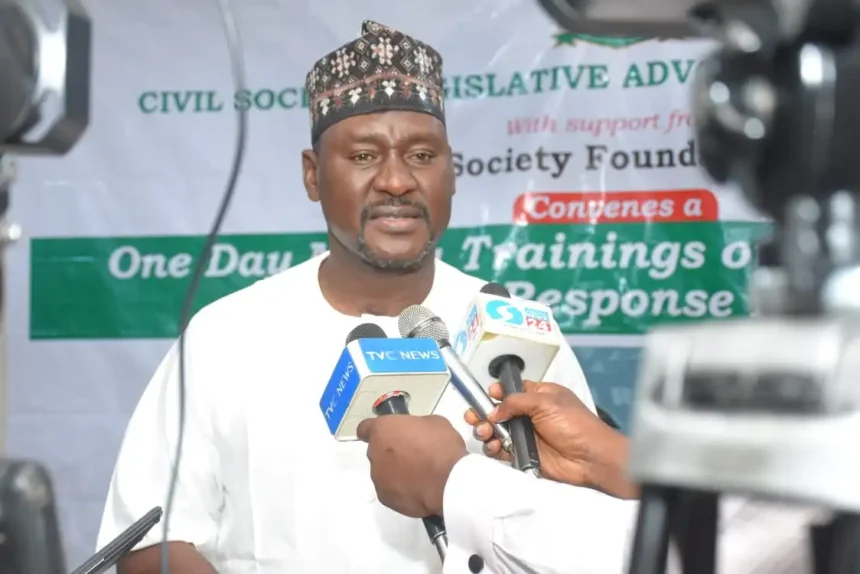
In a statement signed by its Executive Director, Auwal Ibrahim Musa, the organisation said financial intelligence findings pointed to possible large-scale diversion, misappropriation and abuse of public funds linked to the Kogi State Security Operation Account.
According to CISLAC, the account reportedly received more than ₦36.9 billion within a nine-month period from the Kogi State Government’s State Revenue Account. Preliminary findings allegedly showed that about ₦23.7 billion was transferred to a finance company identified as Real Striker Finance Limited, while several billions of naira were reportedly paid to various individuals and corporate entities without clear public justification.
The anti-corruption organisation alleged that beneficiaries of the transactions included individuals and companies such as Abdullahi Ayisat Omonale, Peter Enehezeyi Ozavize, Dange Security Patrol and G and T Motors Nigeria Limited. It claimed that transfers to private individuals and entities exceeded ₦12.53 billion during the period under review.
CISLAC further expressed concern over reports that Real Striker Finance Limited was established shortly after the election of the current administration and is allegedly linked to politically exposed persons, including a former security adviser to former Kogi State Governor, Yahaya Bello.
The organisation stated that available records indicate the company received substantial transfers from the state security account before allegedly disbursing large sums through cash withdrawals and transfers to several individuals and businesses.
While noting that investigations are still ongoing and the allegations remain subject to verification, CISLAC said the transactions raise serious questions about the management of public funds earmarked for security interventions.
The group argued that if established through an independent investigation, the alleged diversion would represent a significant abuse of resources intended to address the security challenges confronting residents of Kogi State and Nigeria at large.
As a result, CISLAC called on the Economic and Financial Crimes Commission, the Independent Corrupt Practices and Other Related Offences Commission, the Nigeria Financial Intelligence Unit and other relevant agencies to launch a comprehensive forensic investigation into all transactions linked to the Kogi State Security Operation Account.
Among its demands, the organisation called for a forensic audit of all inflows and outflows from the account, investigation into the ownership and operations of Real Striker Finance Limited, identification and public disclosure of all beneficiaries, recovery of any funds found to have been unlawfully obtained, and prosecution of anyone found culpable regardless of political affiliation or status.
CISLAC also renewed its long-standing criticism of Nigeria’s security vote system, describing it as one of the weakest aspects of the country’s public finance management framework.
The organisation noted that the absence of clear legal guidelines, public reporting requirements and independent oversight mechanisms has created opportunities for abuse and diversion of funds allocated for security purposes.
Referencing its report titled Camouflaged Cash: How Security Votes Fuel Corruption in Nigeria, CISLAC advocated sweeping reforms, including the restructuring or abolition of the current security vote system, stronger legislative oversight, independent audits and increased transparency in the management of security-related expenditures.
The organisation further urged Kogi State Governor, Ahmed Usman Ododo, and relevant government officials to cooperate fully with investigators and provide complete transparency regarding the administration of public funds.
CISLAC also criticised the oversight role of the Kogi State House of Assembly, arguing that the allegations highlight weaknesses in legislative scrutiny of public spending despite persistent security challenges in the state, including kidnappings, killings and communal unrest.
The organisation maintained that the fight against corruption must remain non-partisan and insisted that no public official, past or present, should be exempt from investigation where credible allegations of financial misconduct exist.
It concluded that the allegations underscore the urgent need for reforms in Nigeria’s security funding architecture to ensure that resources allocated for public safety are used for their intended purpose and serve the interests of citizens rather than private individuals.