
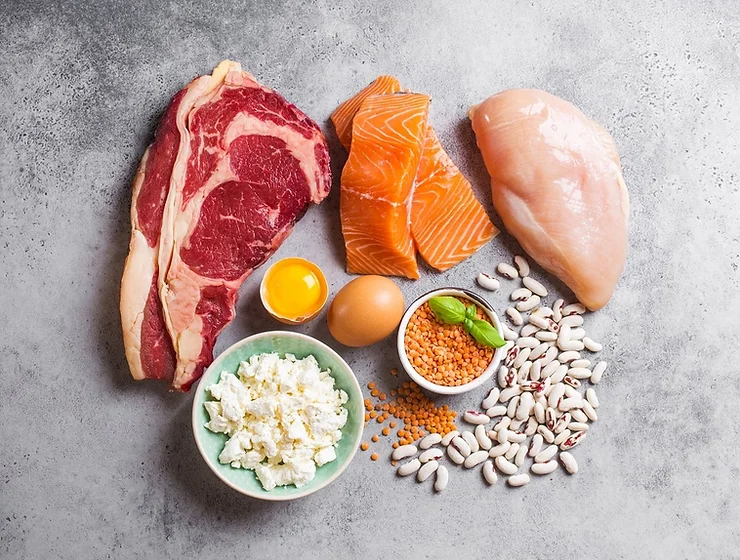
Best protein sources are essential for building muscle, repairing body tissues, and supporting overall health, Choosing the right protein-rich foods helps your body get all the essential amino acids it needs,From eggs and lean meats to soy and quinoa, these foods provide high-quality protein with excellent digestibility and important nutrients.
The best protein foods provide all nine essential amino acids that the body cannot produce on its own. They also offer high digestibility, which means the body can absorb and use the protein efficiently. Animal-based proteins generally rank highest, while a few plant-based foods also provide excellent nutrition.
Whole eggs remain one of the best protein sources available. Nutrition experts consider them the gold standard because they score perfectly on protein quality measurements. Besides high-quality protein, eggs supply healthy fats, vitamin D, and choline, a nutrient that supports brain health.
Chicken breast and turkey breast also rank among the healthiest protein choices. They deliver large amounts of lean protein with very little saturated fat. Many athletes and fitness enthusiasts rely on these meats to support muscle growth and recovery.
Fish such as salmon and tuna provide another excellent option. They contain complete protein and supply omega-3 fatty acids that promote heart and brain health. Regular fish consumption may also reduce inflammation and support overall wellness.
Lean cuts of beef and pork offer complete proteins as well. In addition, they provide iron, zinc, and vitamin B12, nutrients that help maintain healthy blood cells, energy production, and immune function.
Plant-based eaters also have several outstanding protein choices. Soy products, including tofu, tempeh, and edamame, stand out because they contain all essential amino acids. That makes soy one of the few complete plant proteins.
Seitan, which comes from wheat gluten, contains an impressive amount of protein per serving. Its meat-like texture also makes it a popular choice for vegetarians and vegans. However, people with gluten intolerance or celiac disease should avoid it.
Lentils and chickpeas combine protein with plenty of dietary fiber. These legumes support digestive health, help control blood sugar, and keep you feeling full for longer.
Quinoa completes the list as one of the few grains that provides complete protein. It also contains fiber, magnesium, and antioxidants, making it a smart addition to balanced meals.
Choosing a mix of high-quality protein sources can improve overall health, support muscle maintenance, and provide the nutrients the body needs to function at its best. Whether you prefer animal or plant proteins, adding these foods to your diet can help you meet your daily protein goals while enjoying a varied and nutritious eating plan.