The Civil Society Legislative Advocacy Centre, CISLAC, has warned that weak implementation of laws, limited transparency, institutional vulnerabilities and rising insecurity are undermining Nigeria’s progress towards Sustainable Development Goal 16.
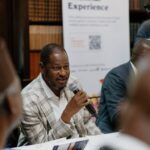
CISLAC Executive Director and Head of Transparency International Nigeria, Comrade Auwal Ibrahim Musa, popularly known as Rafsanjani, raised the concerns while presenting the organisation’s 9th Nigeria SDG 16 Shadow Report at a United Nations General Assembly side event in New York.
The report covers the period from July 2025 to August 2026 and examines Nigeria’s progress and setbacks in achieving SDG 16, which promotes peaceful and inclusive societies, access to justice and effective, accountable institutions.
Report Finds a Mixed Picture
Rafsanjani said the report presents a “mixed picture” of Nigeria’s progress.
He acknowledged improvements in areas including illicit financial flows, asset recovery and anti-money laundering efforts. However, he said these developments had not translated into equivalent improvements in the country’s legal framework, transparency, access to information and public confidence in institutions.
According to him, Nigeria continues to face governance challenges because laws and policies are not always implemented consistently.
He also raised concerns about the vulnerability of some public institutions to political interference.
CISLAC Calls for Stronger Institutions
Rafsanjani called for stronger safeguards for institutions established to serve the public interest.
He said greater institutional independence, transparency and accountability are needed to ensure that public bodies can perform their responsibilities effectively.
The report also identified political corruption, concerns surrounding asset declarations and unexplained wealth as areas requiring stronger oversight.
CISLAC said improved scrutiny is necessary to strengthen accountability in the management of public resources.
Transparency Concerns Over Recovered Assets
Asset recovery was another major area highlighted in the report.
Rafsanjani acknowledged that Nigeria had recorded recoveries but expressed concern about transparency surrounding both the recovery process and the subsequent management of recovered assets.
He warned that without effective post-recovery monitoring and public accountability, recovered assets could remain vulnerable to mismanagement.
Such weaknesses, he argued, could undermine the purpose of asset recovery and allow opportunities for corruption to persist.
Judiciary, Security and Electoral Institutions Under Scrutiny
The report also examined the integrity and effectiveness of key public institutions, including the judiciary, security agencies and electoral bodies.
Rafsanjani raised concerns about electoral processes, institutional independence and the vetting of political appointees.
He said these issues demonstrate the need for stronger accountability mechanisms across public institutions.
For SDG 16, the concern extends beyond the existence of laws and institutions. Their effectiveness depends on whether they can operate transparently, independently and consistently in the public interest.
Insecurity Threatens Peace and Development
CISLAC also identified insecurity as a significant obstacle to achieving SDG 16.
Rafsanjani specifically highlighted the growing commercialisation of kidnapping for ransom, saying its effects extend beyond security.
According to him, kidnapping affects governance, economic activity, human rights and the rule of law.
“When citizens cannot live, work or travel without fear, the foundations of peaceful and inclusive societies are weakened,” he said.
The warning links insecurity to the broader objectives of SDG 16 because citizens’ ability to access justice, participate in society and pursue economic opportunities depends partly on their physical security.
Nigeria Faces an Implementation Challenge
Rafsanjani said Nigeria does not lack laws, policies or institutions but faces a deeper challenge in ensuring that existing frameworks work effectively.
“The country does not lack laws, policies or institutions. The greater challenge is ensuring that these frameworks work effectively, consistently and in the public interest,” he said.
He described the 9th Nigeria SDG 16 Shadow Report as both “a mirror and a roadmap”, saying it assesses Nigeria’s current position while identifying reforms that could strengthen governance and institutional performance.
Calls for Action Before 2030
With the 2030 deadline for achieving the Sustainable Development Goals approaching, CISLAC called for stronger implementation of existing commitments.
The organisation urged the Federal Government, civil society groups, development partners and the international community to translate commitments into measurable action.
Its recommendations include strengthening public institutions, protecting civic space, improving transparency, expanding access to information, safeguarding public resources and upholding the rule of law.
The organisation also called for stronger accountability mechanisms around asset recovery and greater protection for institutions responsible for public oversight.
From Commitments to Implementation
The report places Nigeria’s SDG 16 challenge within a broader question of governance: whether existing laws and institutions can deliver meaningful outcomes for citizens.
For CISLAC, progress cannot be measured only by the creation of policies, institutions or legal frameworks. Their effectiveness also depends on implementation, transparency and accountability.
Rafsanjani said Nigeria’s development cannot be sustained without justice, accountability and effective institutions.
As the 2030 deadline approaches, the central challenge identified by the organisation is therefore implementation — ensuring that institutions function effectively, transparently and in the interest of citizens.