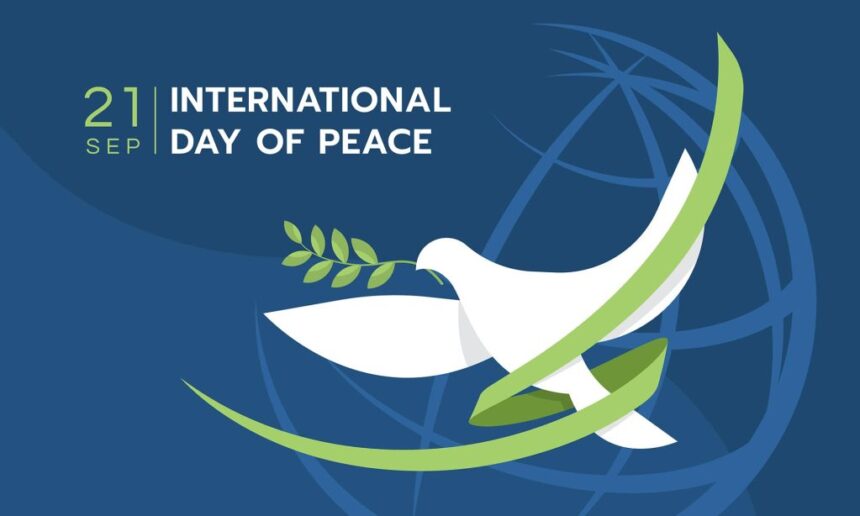
The world will mark International Day of Peace 2026 on September 21, with the United Nations calling on people to promote peace, unity and respect among individuals and nations.
This year’s observance is centred on the theme “Invest in Peace, For Everyone, Everywhere, Every Day.” The message encourages individuals, communities and governments to treat peace as an everyday responsibility rather than an issue addressed only during periods of conflict.
The observance comes as wars and violence continue to affect communities in different parts of the world, leaving families displaced and disrupting access to education, healthcare, jobs and basic services.
How International Day of Peace began
The United Nations established the International Day of Peace in 1981 to promote the ideals of peace among nations and peoples.
In 2001, the UN General Assembly designated September 21 as a day dedicated to non-violence and ceasefire.
Since then, governments, schools, civil society groups and communities have marked the day through activities aimed at encouraging dialogue and peaceful coexistence.
Schools, for instance, can organise peace talks, cultural events and discussions about resolving disagreements without violence. Communities can also organise meetings that bring people together and create opportunities to discuss the effects of conflict.
Peace can begin with everyday actions
Building peaceful communities does not depend only on governments and international organisations.
Teachers can help students resolve disagreements through dialogue, while parents can teach children to respect people with different views and backgrounds.
Young people can also play a role by rejecting hate speech and promoting respectful conversations online. Community leaders and neighbours can similarly help resolve disputes before they grow into larger conflicts.
Although these actions may appear small, they can help build trust and strengthen relationships within communities.
Peace, therefore, can begin with everyday choices, including listening to others, showing kindness and choosing dialogue over confrontation.
Wars continue to affect communities
Despite international efforts to promote peace, armed conflicts continue to cause significant humanitarian and social consequences.
Families can lose loved ones, homes and sources of income, while children may be forced to leave school or live in unsafe environments.
The consequences of violence can also extend beyond the immediate conflict. Displacement, poverty, disrupted healthcare and limited access to education can make recovery more difficult for affected communities.
The United Nations continues to support dialogue, negotiations and peaceful approaches to resolving disputes. Governments and leaders can also contribute by protecting human rights and improving access to essential services.
Education, healthcare, employment opportunities and fair systems for resolving disputes can help address some of the conditions that contribute to social tensions.
What can people do on Peace Day 2026?
As International Day of Peace 2026 approaches, individuals and communities can support the message through simple activities.
Schools can teach children peaceful ways to resolve disagreements, while communities can organise peace walks, public discussions and cultural events.
Young people can use social media to promote respect and discourage hate. Families can also encourage children to listen to others, show kindness and understand different perspectives.
The broader message of the day is that peace is not only the responsibility of governments or international organisations.
It can also be strengthened through everyday interactions between neighbours, families, students, workers and communities.
As the world observes International Day of Peace 2026, the call to “Invest in Peace” is therefore also a call for people to make peaceful choices every day and contribute to safer and more respectful communities.