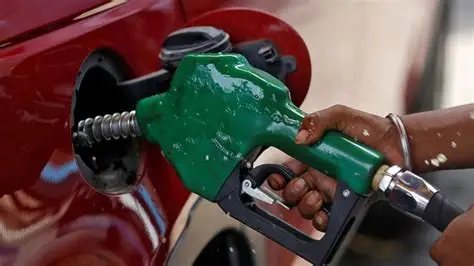
Nigeria could face fresh fuel price pressure as rising global crude oil prices push towards $120 per barrel, raising concerns about petrol, diesel, transportation and food costs.
The latest oil shock is linked to disruptions in the Middle East, which have tightened global crude and refined-product supplies.
Analysts cited by The Guardian warned that Brent crude could rise above $120 and reach $130 per barrel if the disruptions continue.
Higher crude prices could increase Nigeria’s oil revenue and provide more funds for government spending.
However, the country is producing less oil than the level assumed in the 2026 budget.
The budget was based on an oil price of $64.85 per barrel and production of 1.84 million barrels per day.
Brent crude was trading at about $108.49 per barrel, more than $43 above the budget benchmark.
But Nigeria produced about 1.5 million barrels per day in August, excluding condensates, according to data from the Nigerian Upstream Petroleum Regulatory Commission.
That means production was about 340,000 barrels per day below the budget assumption.
A sustained rise in crude prices could increase the cost of refined petroleum products.
Petrol prices could come under pressure, while diesel users may face higher costs as international demand increases.
Higher diesel prices would affect manufacturers, transport operators, farmers, logistics companies and businesses that rely on generators.
These higher operating costs could eventually be passed on to consumers through increased prices for goods and services.
Nigeria’s August inflation rate stood at 15.39 per cent, while food inflation remained above 19 per cent.
Higher diesel prices could also increase the cost of transporting food from farms and major production areas to markets.
Transport operators may pass higher fuel expenses on to passengers and customers.
This could increase pressure on households already dealing with high food and living costs.
The oil price surge is also affecting domestic refining costs.
Aliko Dangote said his refinery increased its petrol price from N1,265 to N1,350 per litre at the gantry because of higher international crude prices, crude acquisition costs and freight charges.
Dangote said the refinery bought crude in May at $124 per barrel.
He explained that the figure represented the refinery’s purchase cost and not the current international crude price.
He also said shipping costs had increased because of disruptions linked to the Middle East crisis.
Muda Yusuf, Chief Executive Officer of the Centre for the Promotion of Private Enterprise, urged the Federal Government to temporarily suspend taxes, fees and levies imposed on refineries.
He also called for greater investment in mass transportation and wider use of remote work to reduce commuting and energy costs.
Petroleum economist Professor Wumi Iledare recommended expanding public transportation powered by compressed natural gas (CNG) and liquefied petroleum gas (LPG).
He also called for better roads, saying improved road conditions could reduce fuel consumption.
The latest oil shock presents Nigeria with both potential gains and risks.
Higher crude prices could increase government oil earnings. But lower production could limit the benefits.
At the same time, higher energy and transportation costs could put additional pressure on households and businesses.
For consumers, the biggest concern remains whether rising global crude prices will translate into higher petrol, diesel, transport and food costs in the coming weeks.