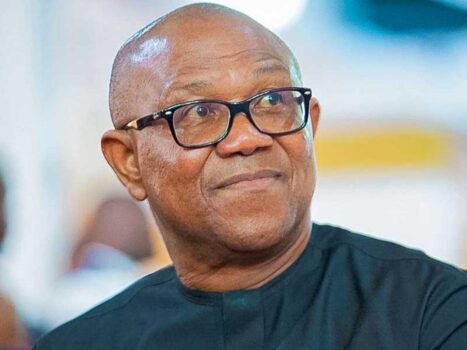
Peter Obi’s visit to Yelwata in Benue State took a sudden turn on Tuesday when youths blocked his convoy on the Makurdi-Gboko road.
Obi had travelled to the state to meet people affected by deadly attacks, and also planned to meet families who lost loved ones.
However, the blockade stopped him from reaching Yelwata, the incident has since sparked a fresh political dispute in Benue ahead of the 2027 general elections.
Obi, a presidential candidate of the Nigeria Democratic Congress, said the youths stopped his convoy near the Nigerian Air Force Base and Makurdi Airport.
Videos from the scene showed youths standing on the road as his convoy waited. Some protesters reportedly said they did not want Obi in the area.
Meanwhile, Obi alleged that a Special Assistant to the Benue State Government helped mobilise the youths. He therefore called on security agencies to investigate the incident.
However, the Benue State Government denied any role in the blockade. Officials said they did not know about Obi’s visit to Yelwata. The government also questioned whether Obi followed the required security process before visiting the area.
Governor Hyacinth Alia’s Chief Press Secretary, Tersoo Kula, rejected the claim that the government sent youths to stop Obi. According to him, the state government does not use thugs for political or security activities.
Meanwhile, the Benue State Police Command confirmed that youths stopped Obi’s convoy. Police officers had joined the convoy to provide security during the visit. The command said it was looking into what happened.
In addition, the incident has drawn reactions from political figures. Aviation Minister Festus Keyamo condemned the blockade. He said political disagreements should not stop candidates from moving freely or taking part in political activities.
The Peter Obi Benue blockade has raised fresh concerns about political tolerance before the 2027 elections. Political parties and candidates need a safe environment to meet voters and explain their plans.
At the same time, security agencies must protect peaceful political activities across the country. Political actors should also settle disagreements through dialogue and the ballot. As the 2027 elections draw closer, the Benue incident could add to the debate about political freedom, public safety and fair competition in Nigeria.