A healthy body does more than improve your appearance. It can influence how you feel, how you think and how you handle the demands of everyday life.
Exercise plays an important role, but movement alone cannot provide everything the body needs. Your body needs fuel, too. That fuel comes from the food you eat.
For Nigerians, eating healthy does not mean abandoning familiar meals or spending a fortune on imported foods. Many nutritious foods already exist in our markets, kitchens and farms.
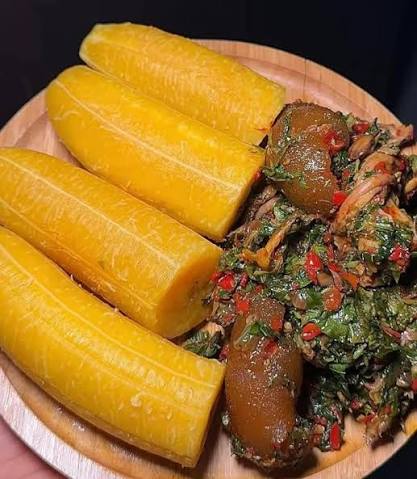
From beans and moi moi to vegetables, fish, sweet potatoes, plantain and local fruits, Nigerian food can support an active lifestyle when you combine it with balanced portions and sensible cooking methods.
Physical and mental wellbeing often go hand in hand.
When you exercise regularly, your body becomes stronger and more capable. Physical activity can also support better sleep, reduce stress and improve your overall sense of wellbeing.
Food plays another important role.
The brain needs nutrients to function properly. A diet that includes protein, healthy fats, fibre, vitamins and minerals can support normal body functions and provide steady energy throughout the day.
That does not mean one particular food can prevent stress, anxiety or other mental health conditions. Instead, a balanced diet forms part of a broader approach to wellbeing.
You Do Not Need a Foreign Diet to Lose Weight
There is a common pattern on Nigerian social media.
When Nigerians begin a weight-loss journey, they often share plates filled with foods such as broccoli, imported salad leaves, Greek yogurt, chia seeds and other foods that may not form part of their usual diet.
There is nothing wrong with these foods. However, healthy eating does not have to look foreign to work.
You do not need to replace your Nigerian meals with foods you cannot easily find, afford or enjoy.
Instead, look at what is already available locally.
Beans, eggs, fish, vegetables, fruits, sweet potatoes, unripe plantain, brown rice, oats, groundnuts and other locally available foods can all contribute to a balanced diet.
The goal should not be to copy a diet from another country. The goal should be to build a sustainable eating pattern that fits your lifestyle.
Nigerian Food Can Be Part of a Healthy Diet
Healthy eating in Nigeria does not have to look like a foreign diet.
Beans are a good example. Nigerians already enjoy them in several forms, including boiled beans, akara and moi moi. Beans provide protein and fibre, which can help make meals satisfying.
However, preparation matters.
Moi moi prepared with moderate oil can offer a nutritious meal, while pairing beans with vegetables can add more fibre and micronutrients.
Groundnuts also provide protein and healthy fats. Yet portion size matters because nuts and seeds contain a lot of energy in small amounts.
Think Local Before You Think Imported
Before spending heavily on imported “weight-loss foods,” take a look at your local market.
Ugu, ewedu, okra, waterleaf, bitter leaf and other Nigerian vegetables can add fibre and nutrients to meals.
Fish such as sardines, mackerel and locally available fresh fish can provide protein and healthy fats.
Fruits such as pawpaw, watermelon, oranges, pineapple, bananas and mangoes can provide vitamins, minerals, fibre and water.
Even familiar staples such as yam, plantain, potatoes, maize and rice can fit into a healthy eating pattern.
The difference often comes down to portions and preparation.
A plate does not have to contain imported vegetables to be nutritious.
Our Local Soups Have a Place
Nigerian soups can also fit into a healthy lifestyle.
Efo riro, vegetable soup, okra soup, edikaikong, afang and other vegetable-rich soups can provide nutrients alongside protein and other ingredients.
The amount of oil and the portion of meat or other high-calorie ingredients can make a difference.
Rather than completely removing traditional meals, you can make small changes.
Use less oil where practical. Add more vegetables. Choose reasonable portions of carbohydrates. Include a good source of protein.
Healthy eating should be something you can maintain, not a temporary punishment.
Protein Keeps the Body Going
Exercise places demands on the body, particularly when you engage in strength training or other demanding activities.
Protein helps the body maintain and repair tissues.
Fortunately, Nigerians have many accessible protein sources.
Fish, eggs, beans, chicken, lean meat, soybeans and other legumes can all contribute to daily protein intake.
Eggs also offer a convenient protein source and can work well at breakfast or as part of another meal.
Carbohydrates Are Not the Enemy
Another common mistake during weight-loss journeys is treating carbohydrates as if they must disappear completely.
Rice, yam, cassava, potatoes, plantain and maize remain important staples across Nigeria.
You do not necessarily need to eliminate them because you want to eat healthier.
Portion size and preparation can make a difference.
Boiled or roasted yam can offer a different nutritional profile from heavily fried versions. The same applies to plantain and potatoes.
You can also combine your carbohydrates with vegetables and protein to create a more balanced meal.
The bigger picture matters more than labelling one food as “good” and another as “bad.”
Do Not Forget Nigerian Fruits
Nigeria has no shortage of fruits.
Oranges, pawpaw, watermelon, pineapple, bananas, mangoes and guava can add vitamins, minerals, fibre and water to the diet.
Fruit can also provide a practical alternative to highly processed snacks.
Instead of reaching for biscuits or sugary drinks every time hunger strikes, a piece of fruit can provide nutrients alongside natural sweetness.
Still, balance remains important.
A healthy diet does not require eating unlimited amounts of any food simply because it is nutritious.
Exercise Needs Good Fuel
Imagine trying to drive a car with almost no fuel.
The same principle applies to physical activity.
Your body needs energy to walk, run, lift weights, dance, play football or complete a workout.
That does not mean eating a huge meal immediately before exercise.
Instead, regular balanced meals can provide the energy your body needs throughout the day.
For someone who exercises regularly, meals containing carbohydrates, protein, vegetables and healthy fats can provide a useful combination of nutrients.
A banana before a workout, for example, may provide a simple source of carbohydrate. After exercise, a meal containing eggs, beans, fish or chicken alongside a carbohydrate and vegetables can provide the nutrients your body needs.
Healthy Does Not Have to Mean Expensive
One common misconception is that healthy eating requires expensive foods.
That is not always true.
Some of Nigeria’s most nutritious foods can be affordable and widely available.
Beans, eggs, sardines, groundnuts, seasonal vegetables and fruits can all form part of a nutritious diet.
The challenge often lies in planning.
Cooking more meals at home can give you greater control over the amount of oil, salt and sugar in your food.
It can also make it easier to include vegetables and protein in your meals.
The Problem With Extreme Weight-Loss Diets
Weight loss should not become a race to eat as little as possible.
Some people drastically cut their food intake or follow restrictive diets because they want to see quick results.
However, extreme approaches can become difficult to maintain and may leave people struggling to meet their nutritional needs.
A healthier approach focuses on sustainable habits.
Eat balanced meals. Move your body regularly. Drink enough water. Sleep well and give yourself time.
Most importantly, speak with a qualified healthcare professional before making drastic changes to your diet, particularly if you have an existing health condition.
A Nigerian Approach to Wellness
Perhaps the biggest lesson is that Nigerians do not need to completely reinvent their diets to live healthier lives.
The foods are already around us.
Beans are available.
Fish is available.
Vegetables are available.
Fruits are available.
Yam, plantain, maize, potatoes and rice are available.
The difference often comes from how much we eat, how we prepare our food and how we combine different food groups.
You can enjoy Nigerian food while working towards a healthier body.
You do not need a plate of broccoli every morning. You do not need an expensive imported salad every afternoon. And you certainly do not need to feel that your local food cannot support your health goals.
Healthy eating can be local, affordable and familiar.
A Healthy Life Starts With Balance
A healthy body can support a healthier mind, while a healthier mindset can make it easier to maintain positive habits.
Exercise strengthens the body. Nutritious food fuels it. Adequate sleep allows it to recover. Social connection and emotional support can also contribute to overall wellbeing.
For Nigerians, healthy living does not have to mean copying diets from another country.
It can begin with the food already on our tables.
Choose more vegetables. Include quality protein. Eat fruits. Drink water. Watch portions. Reduce excessive frying, sugar and highly processed foods. Then find a form of exercise you genuinely enjoy.
You do not have to choose between Nigerian food and a healthy lifestyle.
Sometimes, the healthiest plate is simply a better-balanced version of the food you already know and love.