
Every month, millions of women live with painful periods and heavy bleeding, many believe it is just part of being a woman, push through the pain, go to work, attend school and carry on with daily life.
But what if your body is trying to tell you something?
One possible cause is Adenomyosis, although it affects many women, many people have never heard of it.
What is Adenomyosis?
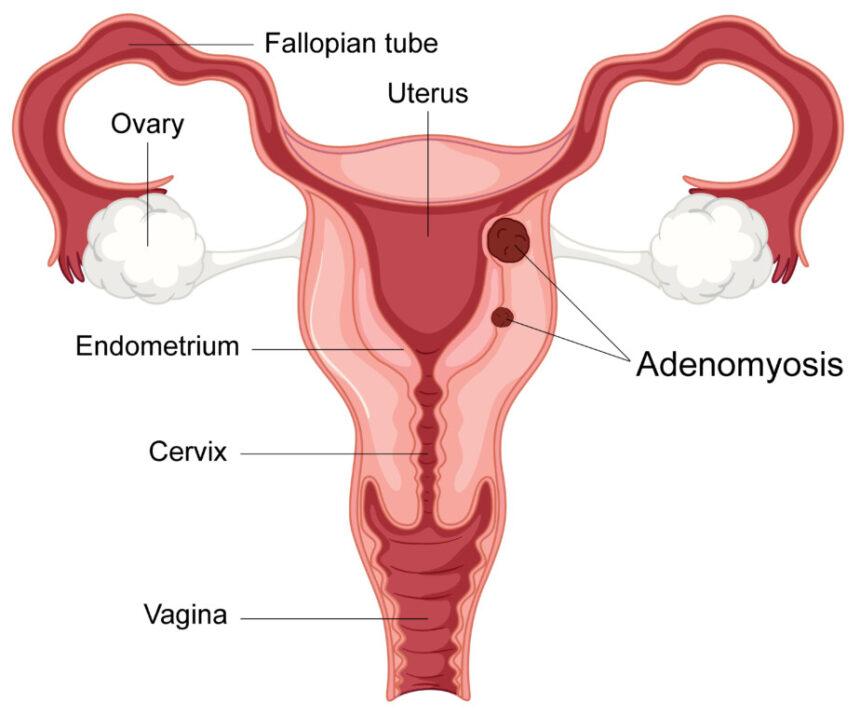
Adenomyosis happens when the tissue that normally lines the inside of the uterus grows into the muscle of the uterus. Every month, this tissue responds to the body’s hormones, thickens and bleeds during menstruation.
Unlike a normal period, the blood becomes trapped inside the muscle. This causes inflammation, severe pain and sometimes an enlarged uterus. According to the Mayo Clinic, the condition can seriously affect a woman’s quality of life.
Who can develop it?
Doctors once believed adenomyosis mainly affected women in their 40s and 50s who had already given birth. Today, better ultrasound scans and MRI technology help doctors diagnose it much earlier, including in women in their 20s and 30s.
Research suggests that 20 to 35 per cent of women may have adenomyosis, but many never receive a diagnosis because its symptoms often look like other health conditions.
What causes it?
Experts still do not know the exact cause. However, they believe several factors may play a role.
Cells from the uterine lining may gradually grow into the muscle wall. Inflammation after childbirth may also trigger the condition. Some researchers believe stem cells inside the uterus may develop into endometrial-like tissue.
The hormone oestrogen also plays an important role. Many women notice their symptoms improve after menopause, when oestrogen levels naturally fall.
Who is at higher risk?
Your risk may be higher if you:
- Are over 30.
- Have had one or more pregnancies.
- Have had surgery on the uterus, such as a Caesarean section or fibroid removal.
- Have experienced many years of exposure to oestrogen before menopause.
What are the symptoms?
Not every woman develops symptoms.
However, many women experience:
- Very heavy or prolonged periods.
- Severe menstrual cramps.
- Ongoing pelvic pain.
- Pain during sex.
- Bloating or pressure in the lower abdomen.
- An enlarged uterus.
- Large blood clots during menstruation.
Heavy bleeding can also lead to iron-deficiency anaemia, which may cause tiredness, weakness, dizziness and shortness of breath.
Is it the same as endometriosis?
No.
Although the names sound similar, they are different conditions.
Adenomyosis affects the muscle of the uterus, while endometriosis develops when similar tissue grows outside the uterus, including on the ovaries, fallopian tubes or bowel.
Adenomyosis often causes heavy bleeding and an enlarged uterus. Endometriosis usually does not. Some women have both conditions, making diagnosis more difficult.
Can it affect pregnancy?
Yes, but not in every case.
Many women with adenomyosis become pregnant naturally. However, research shows the condition may reduce fertility, lower the success of IVF treatment, increase the risk of miscarriage and raise the chances of pregnancy complications, including preterm birth.
How do doctors diagnose it?
Doctors usually begin by asking about symptoms and carrying out a pelvic examination.
A transvaginal ultrasound is often the first imaging test because it provides a clear view of the uterus. If doctors need more information, they may request an MRI scan.
An endometrial biopsy can help rule out other conditions, but it cannot confirm adenomyosis. Thanks to modern imaging, many women can now receive a diagnosis without surgery.
What treatments are available?
Treatment depends on a woman’s symptoms, age, overall health and future pregnancy plans.
Doctors may recommend pain-relieving medicines such as ibuprofen or naproxen. Hormonal treatments, including the Mirena coil, contraceptive pills or hormonal injections, can help reduce pain and heavy bleeding.
Women with very heavy periods may also receive tranexamic acid to reduce blood loss.
If medicines no longer work, doctors may recommend surgery. Endometrial ablation may help some women who no longer wish to become pregnant, while a hysterectomy remains the only treatment that completely removes adenomyosis.
Can lifestyle changes help?
Lifestyle changes cannot cure adenomyosis, but they can make symptoms easier to manage.
Doctors recommend using a heating pad or hot water bottle, staying active with gentle exercise, maintaining a healthy weight, managing stress, eating iron-rich foods and treating iron deficiency if heavy bleeding has caused anaemia.
When should you see a doctor?
Do not ignore your symptoms.
Speak to a doctor if you:
- Soak through sanitary pads or tampons every hour.
- Have severe period pain that disrupts daily life.
- Notice bleeding between periods.
- Feel pain during sex.
- Live with ongoing pelvic pain.
- Feel extremely tired, weak or short of breath.
The bottom line
One fact is clear: adenomyosis is not cancer. It is a benign condition and does not increase the risk of uterine cancer.
However, its symptoms can look like those of other serious health conditions. That is why no woman should ignore persistent pain or unusually heavy bleeding.
Painful periods should never become something women simply accept. The sooner adenomyosis is diagnosed, the sooner treatment can begin and quality of life can improve.