A deadly outbreak of the Ebola virus has been confirmed in eastern Democratic Republic of Congo, according to African health authorities.
The Africa Centres for Disease Control and Prevention (Africa CDC) announced on Friday that 246 suspected cases and 65 deaths have already been recorded in the affected area.
The outbreak was confirmed in Ituri Province, a region that has experienced previous Ebola outbreaks in recent years.
In a statement shared on social media, Africa CDC disclosed that four of the deaths were among laboratory-confirmed Ebola cases.
The continental health agency said it is closely monitoring the situation and has scheduled an urgent high-level coordination meeting involving the Democratic Republic of Congo, Uganda, South Sudan, and international health partners.
According to the agency, the meeting will focus on:
- Cross-border surveillance
- Emergency preparedness
- Outbreak containment
- Coordinated response efforts
Health authorities fear the virus could spread across borders if urgent containment measures fail.
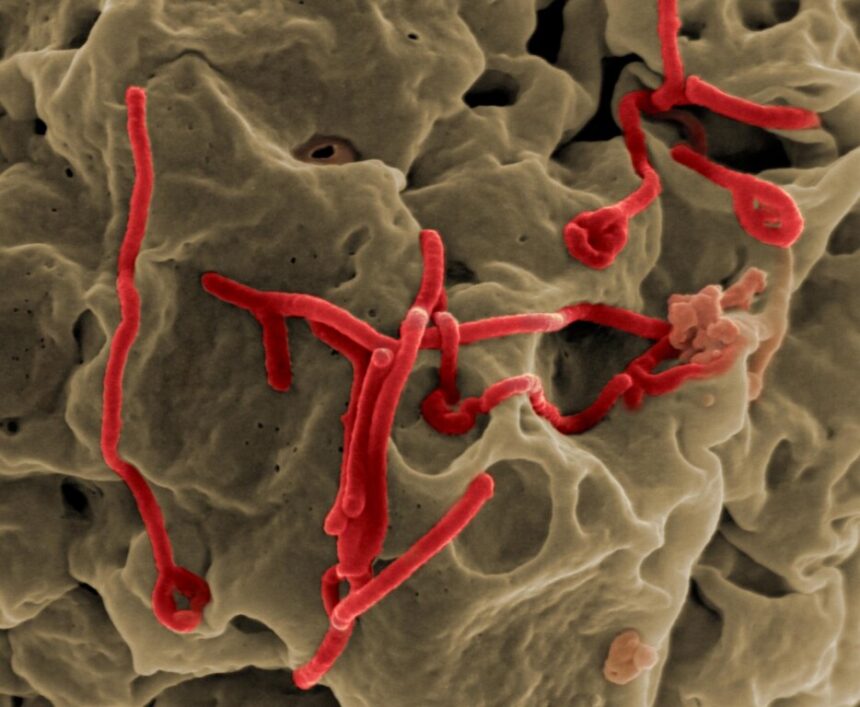
What Is Ebola?
Ebola Virus Disease is a highly contagious and deadly viral infection first identified in 1976.
Scientists believe the virus originally crossed from animals, particularly bats, to humans.
The disease spreads through direct contact with infected bodily fluids, including blood, saliva, sweat, vomit, and other secretions.
Common symptoms include:
- Fever
- Weakness
- Muscle pain
- Vomiting
- Severe bleeding
- Organ failure
Without early treatment and containment, Ebola can spread rapidly within communities.
Over the past five decades, Ebola outbreaks have killed nearly 15,000 people across Africa.
The Democratic Republic of Congo remains one of the countries most affected by repeated outbreaks.
The deadliest Ebola outbreak in the country occurred between 2018 and 2020, when nearly 2,300 people lost their lives.
Health experts say weak healthcare systems, conflict in eastern Congo, population displacement, and limited access to medical facilities often complicate outbreak response efforts.
The latest outbreak has raised concerns among neighbouring countries, especially Uganda and South Sudan, due to frequent cross-border movement.
Public health experts warn that rapid detection, isolation of cases, contact tracing, and community awareness campaigns will be critical in preventing wider transmission.
International health agencies are also expected to support vaccination campaigns, surveillance operations, and emergency medical response teams in affected communities.
Authorities continue to urge residents to report suspected symptoms early and avoid contact with infected individuals or contaminated materials.