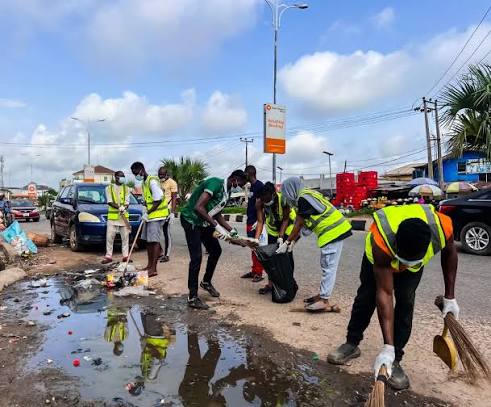
By the time most people wake up, the city is already wearing a fresh face, roads are cleaner, drains have been cleared, markets are free of the waste that piled up the previous evening, and public spaces are ready for another busy day because sanitation workers made sure of it.
To many residents, it seems as though the city simply tidies itself overnight, but that transformation does not happen by chance.
While families sleep peacefully and businesses shut their doors, a hidden workforce quietly begins its shift, armed with brooms, shovels, waste bags, and reflective jackets. Sanitation workers move through empty streets, clearing rubbish and preparing the city for a new day.
Although their work is essential, most people never see them. Even more, few stop to think about the effort required to keep a city clean.
For these workers, the day often begins when everyone else’s is ending. Since traffic is lighter at night, they can sweep major roads, empty public bins, clear blocked drains, and collect refuse before commuters flood the streets at sunrise. As a result, the morning rush begins in a cleaner and healthier environment.
Yet the job is far from easy.
Many sanitation workers never imagined they would earn a living collecting waste. Some are widows supporting their families, while others are young graduates still searching for opportunities in their chosen careers. Meanwhile, many simply accepted the work because it offered a stable source of income. Regardless of how they arrived at the job, they carry out their duties with determination every night.
Unfortunately, the work comes with serious challenges. Workers spend long hours exposed to dust, foul smells, broken glass, sharp metal, and other dangerous objects hidden inside waste.
During the rainy season, they navigate flooded streets and muddy drains. In contrast, the dry season brings clouds of dust and smoke from burning refuse. In some cases, protective equipment such as gloves, boots, or reflective jackets is unavailable or worn out, increasing the risks they face each shift.
Beyond the physical demands, sanitation workers also live with the constant threat of road accidents. Speeding vehicles on poorly lit roads can turn an ordinary workday into a tragedy within seconds. In addition, they risk infections from improperly disposed medical waste and hazardous materials mixed with household rubbish. Despite these dangers, they continue showing up because missing work often means losing income needed to support their families.
Ironically, the cleaner the city becomes, the less visible these workers appear. Their success often goes unnoticed because people rarely think about what happens before dawn. Instead, attention usually turns to sanitation workers only when refuse piles up, drains become blocked, or unpleasant odours spread across neighbourhoods.
Nevertheless, their contribution reaches far beyond sweeping streets. Proper waste collection helps prevent flooding by keeping drainage channels clear. It also reduces the spread of diseases linked to accumulated refuse, discourages rodents and insects, and creates healthier communities.
Furthermore, clean surroundings support businesses, improve the appearance of cities, and leave positive impressions on visitors. In many ways, sanitation workers serve as frontline protectors of public health.
Behind every reflective vest is also a personal story. Some workers save every paycheck to send their children to school. Others dream of opening small businesses or continuing their education. Although the work is demanding, many take pride in knowing they help make their communities cleaner and safer. For them, a simple word of appreciation from a passer-by can make a long night’s work feel worthwhile.
Even so, keeping a city clean should never rest on sanitation workers alone. Residents also have an important role to play. By disposing of waste responsibly, avoiding littering, separating recyclable materials where possible, and respecting public spaces, citizens can reduce the burden on those who work through the night.
After all, every plastic bottle thrown into a drainage channel and every bag of refuse dumped illegally creates more work for people already carrying a heavy responsibility.
So, tomorrow morning, when the streets appear clean and ready for another busy day, take a moment to consider the people who made that possible. While most of the city slept, they swept roads, cleared drains, emptied bins, and collected waste without applause or recognition.
They may never become household names, and they may never receive the praise they deserve. Even so, every sunrise quietly tells their story. Long before the first commuter steps outside, someone has already worked through the darkness to ensure the city wakes up cleaner, healthier, and ready for a new beginning.