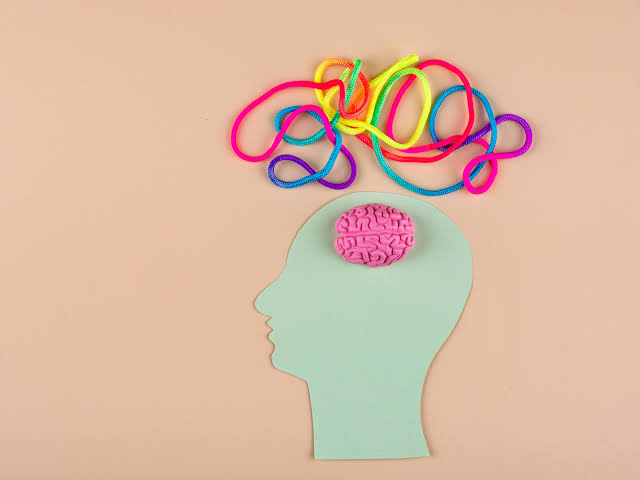
Neurodivergent people think, learn, communicate, and experience the world in ways that differ from what society considers typical, rather than viewing these differences as deficits, the growing neurodiversity movement recognizes them as natural variations of the human brain.
From autism and ADHD to dyslexia and dyspraxia, neurodivergent people bring unique talents, perspectives, and creativity that enrich communities around the world.
The term has become increasingly important as people move away from outdated ideas of “normal” and “abnormal.” Instead, it encourages understanding, acceptance, and inclusion.
What Does It Mean to Be Neurodivergent?
Neurodivergent people process information differently from those who are considered neurotypical. These differences may affect learning, communication, attention, movement, or sensory experiences.
Common forms of neurodivergence include Autism Spectrum Disorder, Attention Deficit Hyperactivity Disorder (ADHD), dyslexia, dysgraphia, dyscalculia, dyspraxia, Tourette syndrome, sensory processing disorders, and some mental health conditions such as obsessive compulsive disorder and bipolar disorder.
Every neurodivergent person is different. Two people with the same condition may have completely different strengths, challenges, and personalities.
Strengths Beyond the Stereotypes
Public conversations often focus on the challenges associated with neurodivergence. However, many neurodivergent people possess exceptional abilities.
Some have remarkable creativity, while others excel in mathematics, engineering, music, technology, art, or problem solving. Many display outstanding attention to detail, strong memory, innovative thinking, or the ability to recognize patterns that others may overlook.
These strengths have helped countless neurodivergent individuals make important contributions in science, business, sports, and the arts.
Well known figures such as animal scientist Temple Grandin, actor Sir Anthony Hopkins, Olympic gymnast Simone Biles, climate activist Greta Thunberg, and singer Florence Welch have openly discussed their neurodivergent experiences.
Challenges in Everyday Life
Despite their strengths, many neurodivergent people face obstacles in environments designed primarily for neurotypical individuals.
Bright lights, loud sounds, crowded spaces, and sudden changes in routine can be overwhelming. Others may struggle with organization, time management, reading, writing, or maintaining attention.
Social situations can also be difficult. Misunderstandings often arise because neurodivergent people may communicate or express emotions differently.
These challenges do not reflect a lack of intelligence or ability. Instead, they highlight the need for greater understanding and appropriate support.
The Importance of Inclusion
Creating an inclusive society means recognizing that different minds bring different perspectives.
Simple adjustments can make a significant difference. Flexible work environments, quiet spaces, assistive technology, clear communication, and inclusive teaching methods allow neurodivergent people to perform at their best.
Many companies now recognize that neurodiversity strengthens innovation. Businesses increasingly value employees who think differently and approach problems from fresh perspectives.
Schools are also adopting more inclusive practices. Personalized learning approaches help students build confidence while developing their unique talents.
Diagnosis Is Not the Destination
Many people discover they are neurodivergent later in life. Receiving a professional assessment often provides clarity rather than limitation. It helps individuals understand their strengths, identify challenges, and access the support they need.
Being neurodivergent does not automatically mean someone has a disability. Every person’s experience is different. Some require significant support, while others need only small adjustments to thrive.
Changing the Conversation
The neurodiversity movement has changed how society views brain differences. Instead of asking how people can fit into existing systems, many advocates now ask how schools, workplaces, and communities can become more inclusive.
Respect begins with listening. It grows through understanding and acceptance. When society values different ways of thinking, everyone benefits.
Neurodivergent people are not defined by their diagnoses. They are artists, students, professionals, parents, innovators, athletes, and leaders. Their different perspectives enrich communities and drive progress.
As awareness continues to grow, the focus is shifting from limitations to possibilities. Neurodiversity reminds us that there is no single “right” way for a brain to work. Our differences are not barriers to overcome but strengths that make humanity more creative, resilient, and diverse.