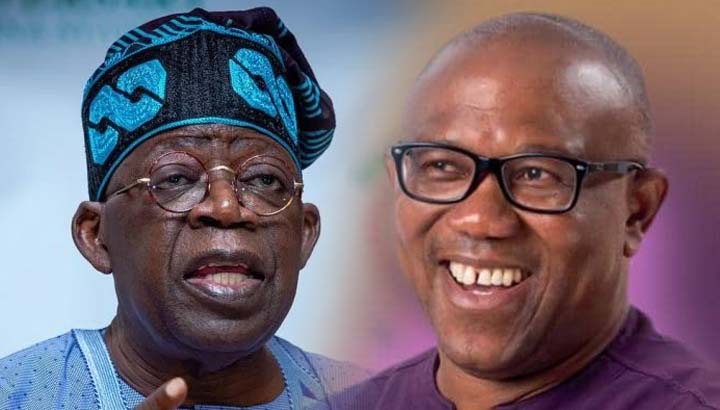
Former Labour Party presidential candidate Peter Obi has challenged President Bola Tinubu’s claims of economic progress. He argues that higher government revenue has not improved the lives of ordinary Nigerians.
Obi said Nigerians should judge economic performance by living standards, not revenue figures alone. According to him, many citizens still struggle with poverty, unemployment, and rising living costs despite government reports of increased earnings.
The Federal Government has reported growth in revenue since the introduction of key economic reforms. However, Obi believes the gains have not reached the average Nigerian.
He said families across the country face increasing pressure from high food prices, transportation costs, and housing expenses. Many workers also struggle to keep up with inflation as salaries remain largely unchanged.
Obi insisted that economic success should reflect in the daily lives of citizens. He argued that millions of Nigerians have yet to experience any meaningful relief.
Obi also raised concerns about Nigeria’s growing debt profile. He questioned why the country continues to borrow heavily despite reports of higher revenue generation.
According to him, government borrowing should support projects that create jobs and stimulate economic growth. He warned that excessive debt could place additional pressure on future generations.
The former governor called for greater fiscal discipline and responsible management of public finances.
A major part of Obi’s criticism focuses on transparency. He urged the government to provide detailed information on how borrowed funds are spent.
He said Nigerians deserve clear evidence that loans support critical sectors such as education, healthcare, agriculture, infrastructure, and industrial development.
Obi argued that citizens have the right to know how public resources contribute to national development.
The Tinubu administration introduced major reforms shortly after taking office. These include the removal of fuel subsidies and the liberalisation of the foreign exchange market.
Government officials describe the reforms as necessary steps to stabilize the economy and attract investment. They argue that the policies will deliver long-term benefits.
However, many Nigerians continue to face the immediate effects of the reforms. Rising fuel prices and currency depreciation have increased the cost of goods and services nationwide.
Many small and medium-sized enterprises continue to battle rising operating costs. Business owners report higher transportation expenses, increased production costs, and foreign exchange challenges.
Some companies have reduced operations, while others struggle to remain profitable. Economic uncertainty has also affected consumer spending in several sectors.
Analysts warn that businesses need a more stable environment to expand and create jobs.
The Presidency has rejected Obi’s criticism. Government officials insist that the administration inherited significant economic challenges and has taken difficult decisions to address them.
Presidential aides also argue that naira depreciation has inflated the local currency value of external debt. They maintain that debt figures often appear larger because of exchange-rate changes.
The administration points to rising revenue, increased state allocations, and ongoing infrastructure projects as signs of progress.
The exchange between Obi and the Presidency reflects a wider debate about Nigeria’s economic future. Supporters of the government believe current reforms will produce results over time.
Critics argue that citizens need immediate relief from economic hardship. They believe government policies should deliver visible improvements in living standards.
As political discussions continue, issues such as inflation, debt management, job creation, and poverty reduction will remain at the centre of national conversations.
For many Nigerians, the real measure of success is simple. They want affordable food, stable jobs, reliable infrastructure, and a better quality of life.