
For years, African culture has influenced the world, from music and fashion to art and street style, the continent has shaped global trends in powerful ways.
However, there has always been a difference between inspiring the world and leading the creative process.
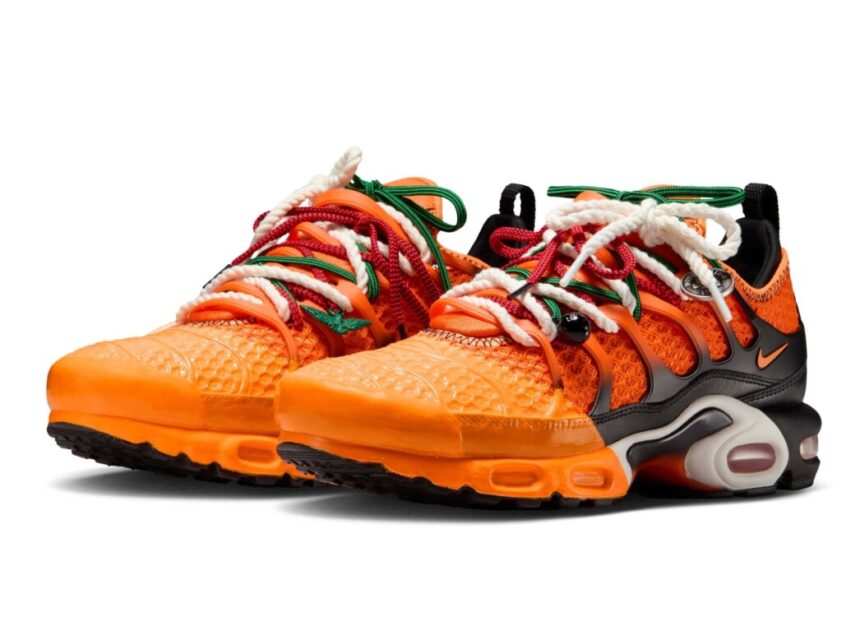
Grace Ladoja’s Nike shoe represents that change, as the first African woman to design a Nike shoe, Ladoja has reached a major milestone.
More importantly, she has opened a conversation about African ownership, representation, and the future of global creativity. A sneaker can be more than a product, can carry history, identity, and culture.
Today, sneakers represent much more than sportswear. They connect people to communities, personal stories, and cultural movements.
In this case, Grace Ladoja’s Nike design carries the spirit of modern Africa. It reflects the creativity, confidence, and energy coming from the continent’s new generation of artists and designers.
Instead of Africa simply providing inspiration for global brands, African creatives are now taking the lead.
Ladoja has spent years building connections between African talent and global audiences.
Through Homecoming, the Lagos based cultural platform she founded, she has created a space where music, fashion, art, and sport come together.
The platform has helped showcase African creativity to the world. It has also encouraged global audiences to experience African culture directly.
Therefore, her Nike collaboration feels like a natural extension of the work she has already done.
For decades, global brands have looked to Africa for inspiration. They have drawn ideas from African fashion, music, colors, and traditions.
However, African creators have not always received the same opportunities to lead those conversations.
Now, that story is changing. Ladoja’s achievement reflects a larger movement across the creative industry. African designers, artists, and entrepreneurs are becoming key voices in global spaces.
They are no longer only shaping trends from the outside. Instead, they are helping decide what the future looks like.
This moment matters because young creatives need examples of what they can achieve.
A young designer in Lagos, Accra, Nairobi, or Johannesburg can now see an African woman creating for one of the world’s biggest brands. That image carries a powerful message, it shows that African talent does not need to wait for global recognition. African creators can build, design, and lead on their own terms.
Grace Ladoja’s Nike shoe is more than a fashion achievement. It represents confidence, visibility, and creative power.
Most importantly, it shows that Africa is not only influencing global culture, it is helping to create it.
The world has always listened to African stories. Now, more Africans are leading the conversation and shaping the future.