
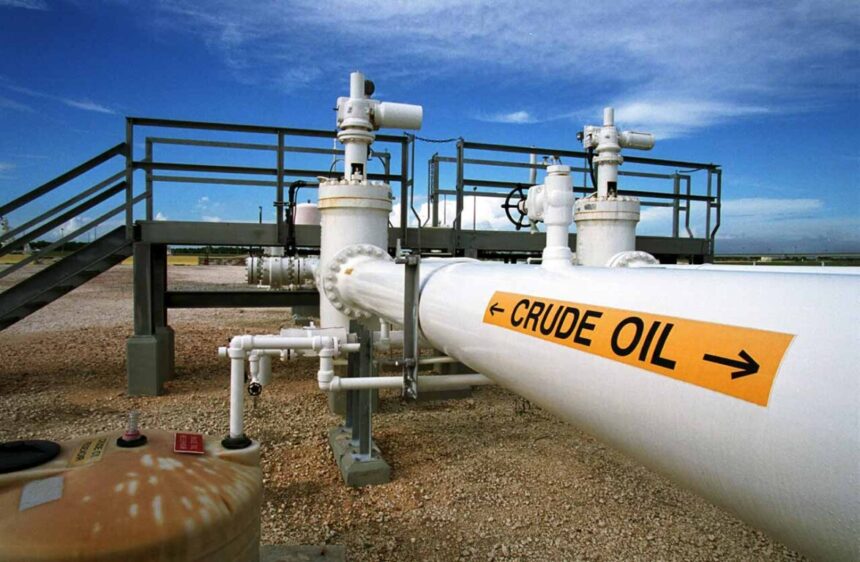
Nigeria’s oil sector is receiving a massive boost as global crude prices continue their steady climb. This upward trend follows renewed geopolitical tensions in the Middle East, which have sparked fresh concerns over global supply disruptions. Consequently, Brent crude is now trading near the significant one hundred dollar per barrel mark.
Financial analysts report that this price surge could rapidly transform Nigeria’s current economic outlook. The country relies heavily on oil exports for its international trade balance. Therefore, sustained high prices will significantly improve Nigeria’s foreign exchange earnings. This influx of dollars arrives at a critical time, offering much-needed stability to the local currency market.
Beyond foreign exchange, the price rally directly strengthens government revenues. Higher oil income allows the federal government to fund critical infrastructure projects and manage its deficit more effectively. For months, production challenges limited the benefits of global price increases. However, this fresh market momentum provides a vital cushion for national planners.
Industry experts emphasize that Nigeria must maximize its daily output to fully capitalize on this window. Higher prices only yield top results when export volumes remain stable. If Nigeria hits its production targets, the current market dynamics will shield the economy from domestic fiscal pressures.
Local businesses also stand to benefit indirectly from the improved liquidity. When government revenues rise, public spending typically stimulates corporate activities across various supply chains. While global energy markets remain highly volatile, the immediate outlook offers Nigeria a rare fiscal breathing room.
Navigating these changing market dynamics requires strategic management of the nation’s energy assets. For now, the global price rally acts as a powerful economic catalyst. Investors and policy makers are watching closely to see how long these high prices will last.