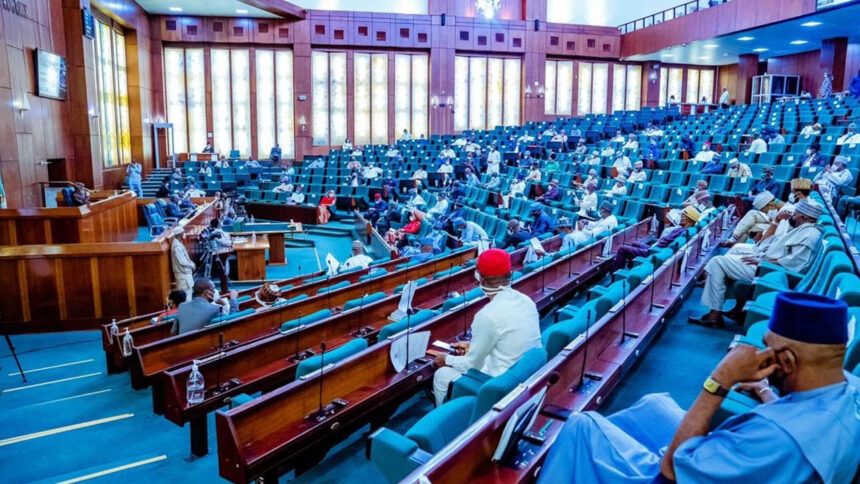
The House of Representatives has approved a ₦248.64 billion relief package and a 10-year debt restructuring plan for electricity distribution companies, sparking renewed debate over the future of Nigeria’s power sector.
The intervention targets struggling firms such as Kano Electricity Distribution Company, Jos Electricity Distribution Company, and Ikeja Electric.
Lawmakers approved the bailout to ease the financial burden on electricity distribution companies (DisCos).
These firms have struggled with mounting debt, weak infrastructure, and poor service delivery, raising concerns about their ability to meet demand.
Nigeria’s electricity distribution segment remains the weakest link in the power value chain.
DisCos face multiple challenges, including:
- Revenue shortfalls
- Energy theft
- Tariff disputes
- Low bill collection rates
These issues have made financial distress almost unavoidable, prompting government intervention.
Concerns Over Repeated Bailouts
Despite the justification, critics question whether repeated bailouts are solving the problem.
Since the 2013 privatization of the power sector, the Federal Government has provided several forms of financial support. However, key challenges—such as erratic power supply and billing disputes—persist.
Many observers argue that continued bailouts risk encouraging inefficiency rather than reform.
Debt Crisis Across the Power Value Chain
The crisis extends beyond distribution companies.
DisCos owe large sums to power generation companies (GenCos), creating a liquidity problem across the entire sector. This chain reaction reduces power generation and weakens overall system performance.
Experts warn that addressing DisCos’ debt alone will not fix the structural issues affecting the sector.
Email: newsroom@s24television.com
Password: s-Televison1
Login URL: https://agency.birdstoryagency.com/stories/login
Password: s-Televison1
Login URL: https://agency.birdstoryagency.com/stories/login
Role of Electricity Act 2023
The Electricity Act 2023, signed by Bola Ahmed Tinubu, aims to decentralize the power sector.
The law allows states to generate and distribute electricity independently, potentially increasing competition and efficiency.
However, implementation has been slow, and many states are still developing their electricity markets.
Consumers Still Bear the Burden
For many Nigerians, electricity supply has not improved despite rising tariffs.
Households and businesses continue to rely on generators and alternative energy sources, often at higher costs. This gap between payment and service delivery has deepened public frustration.
Calls for Deeper Reforms
The bailout has reignited debate over the future of the sector.
Some experts argue that Nigeria should:
- Open the sector to more investors
- Restructure or re-privatize failing DisCos
- Enforce strict performance benchmarks
They stress that without accountability, financial support alone will not deliver meaningful change.
Outlook for Nigeria’s Power Sector
The ₦248.64 billion relief package may prevent immediate collapse, but it does not address the root causes of the crisis.
Sustainable reform will require:
- Transparent governance
- Strong regulatory oversight
- Long-term investment in infrastructure
Reliable electricity remains critical to Nigeria’s economic growth, industrial development, and overall quality of life.