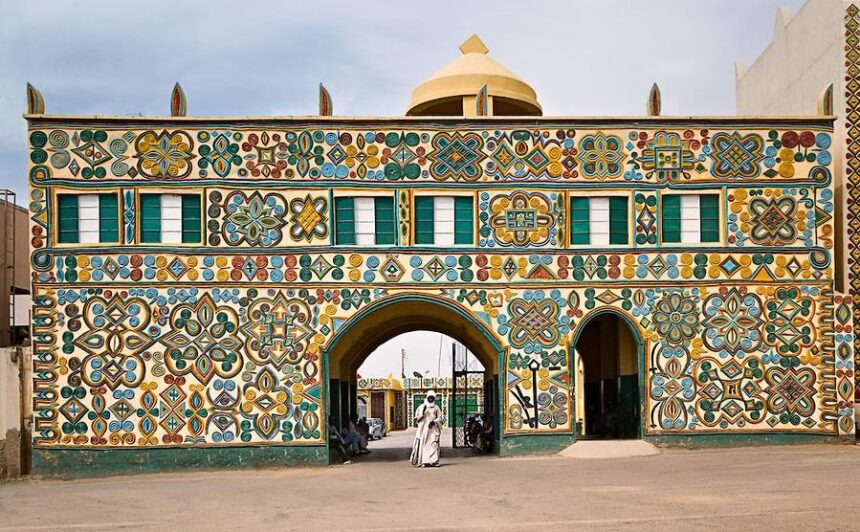
Muhammad Durugu, popularly known as Babban Gwani, was a renowned 19th-century Hausa master builder whose work helped define the distinctive mud-brick architecture of northern Nigeria, including historic structures associated with Zaria.
For generations, Hausa architecture has demonstrated how mud, traditionally treated as a humble building material, could be transformed into elaborate structures featuring vaults, geometric decoration and remarkably sophisticated construction techniques.
Among the craftsmen associated with this architectural tradition was Muhammad Durugu, whose reputation extended beyond Zaria to other parts of northern Nigeria.
His story, however, has often been overshadowed by the buildings he helped create.
Who Was Muhammad Durugu?
Muhammad Durugu, also known as Babban Gwani, was a celebrated Hausa master builder active in the 19th century.
Historical and architectural accounts associate him with monumental buildings across Hausaland, including structures in Zaria, Kano, Katsina, Bauchi and Birnin Gwari. One architectural study identifies him as a prominent builder of palaces and mosques during the 1830s and highlights his use of the Hausa vault, known as bakan gizo.
His work represents a period when Hausa builders developed sophisticated architectural techniques using locally available materials.
The Genius of Hausa Mud Architecture
Traditional Hausa architecture demonstrates that mud was far more than a basic construction material.
Builders used mud bricks, plaster and carefully engineered forms to create buildings that could include vaulted spaces, decorated walls, courtyards and imposing entrances.
One particularly distinctive feature was the Hausa vault, or bakan gizo, which allowed builders to create spacious interiors using traditional construction techniques.
Instead of relying on modern steel and concrete, master builders worked with materials available within their environment.
The result was architecture that combined structural ingenuity with elaborate artistic decoration.
Durugu and the Architecture of Zaria
Durugu’s name is particularly associated with the architectural heritage of the Zaria Emirate.
Historical accounts of the Zaria palace complex state that the renowned builder Muhammad Durugu constructed significant structures at Gidan Bakwa, including rooms added during the reign of Malam Abdul-Karim in the 1830s and 1840s. These included the royal drums room and a large mud chamber known as Takwan Giwa.
His work was therefore part of a wider architectural tradition that connected political power, Islamic culture and Hausa craftsmanship.
The Master Builder Known as Babban Gwani
The title Babban Gwani is associated with Durugu’s reputation as a master of traditional building.
His architectural influence was not restricted to a single palace or city. Research on northern Nigerian heritage identifies buildings attributed to him across several Hausa centres, demonstrating the geographical reach of his craft.
A palace attributed to his work in Bauchi, for example, is described in architectural accounts as incorporating mud-brick construction and sophisticated vaulted forms.
His buildings demonstrate how traditional Hausa architecture could be both functional and visually striking.
The Mystery Surrounding His Death
One of the most dramatic elements of the popular story surrounding Muhammad Durugu is the claim that he was executed by an emir after completing a royal palace because he knew too much about the building’s hidden entrances and chambers.
According to this version of the story, the ruler feared that the master builder’s knowledge of the palace could become a security threat.
The tale has helped turn Durugu into a legendary figure: the brilliant craftsman who supposedly paid the ultimate price for knowing every secret of the structure he created.
However, the execution story should be treated as a historical tradition or legend unless supported by stronger primary evidence. The architectural sources consulted establish Durugu’s reputation and his work but do not independently substantiate the dramatic claim that he was executed for knowing the palace’s secrets.
That distinction is important when telling his story.
Why His Architecture Matters
Durugu’s legacy extends beyond individual buildings.
His work represents a broader tradition of Hausa architectural knowledge, in which builders understood how to work with mud, ventilation, courtyards, vaulting and decorative techniques to create structures adapted to the region’s environment.
These buildings also demonstrate the relationship between architecture and political authority.
Palaces and mosques were not simply places to live or worship. They could serve as symbols of power, religious identity and the sophistication of the communities that built them.
A Legacy Across Northern Nigeria
Architectural research links Muhammad Durugu to important structures in several parts of northern Nigeria.
Accounts identify buildings attributed to him in Bauchi, Kano, Zaria and Birnin Gwari, among other locations.
This geographical reach illustrates why he is remembered as one of the important master builders of 19th-century Hausa architecture.
His techniques formed part of a wider architectural heritage that remains visible in historic palaces, mosques and other traditional structures across northern Nigeria.


Preserving the Architecture of the Past
The survival of historic Hausa buildings also raises questions about preservation.
Mud architecture requires continuous maintenance because exposure to rain, erosion and changing environmental conditions can damage traditional structures.
Preserving these buildings is therefore not simply about protecting old walls. It means protecting traditional construction knowledge, craftsmanship and cultural history.
For younger generations, these structures provide a physical connection to the architectural achievements of earlier Hausa societies.
The Man Behind the Buildings
Muhammad Durugu’s story illustrates an important truth about heritage: famous buildings often outlive the people who created them.
The structures associated with his name continue to attract attention because of their distinctive forms and construction techniques, while the craftsman himself remains far less widely known.
Whether every part of the dramatic legend surrounding his death can be historically verified or not, his architectural legacy is significant.
Muhammad Durugu, Babban Gwani, belongs to a generation of Hausa builders who demonstrated that mud could become a material for extraordinary architecture.
The story of Muhammad Durugu is ultimately a story about craftsmanship, innovation and the enduring power of traditional architecture.
His work forms part of the rich architectural heritage of northern Nigeria, where master builders used mud, vaults and intricate decoration to create structures that remain important cultural landmarks.
The legend surrounding his death adds mystery to his legacy, but the documented architectural record already tells a remarkable story: a Hausa master builder whose knowledge helped shape some of the region’s most distinctive historic buildings.