


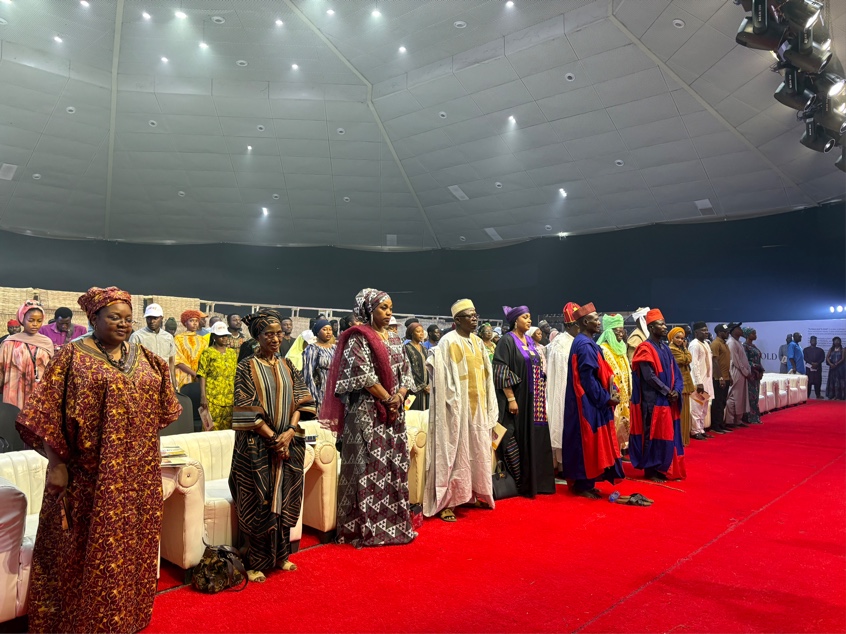
Held from November 19 to 22, 2026, at the Umaru Musa Yar’Adua Hall, Murtala Square, Kaduna, the festival was organised around the theme, “To Have and To Hold,” exploring the relationship between cultural identity, heritage, belonging and the responsibility to preserve what communities value.
Through fashion showcases, art exhibitions, workshops, panel discussions, cultural performances and networking sessions, KAFART provided a platform for established and emerging creatives to display their work, exchange ideas and explore opportunities within the creative economy.
Beyond celebrating artistic expression, the exhibition highlighted the importance of connecting traditional craftsmanship with contemporary innovation while creating economic opportunities for local talents.
Four Days of Art, Culture and Creative Expression
The festival opened on Thursday, November 19, with the national anthem and a performance by Mud Art Company, setting the tone for a celebration of artistic expression and cultural diversity.
The opening ceremony featured a welcome address by host Ganiyat Sani, followed by goodwill messages from representatives of government institutions, traditional institutions, cultural organisations and the private sector.
Institutions represented included the Office of the Vice President, the National Gallery of Art, Sterling Bank and the Hadiza Yar’adua Empowerment Foundation, alongside a representative of the Emir of Zazzau.
Cultural performances from Southern Kaduna and the Anfara, representing Hausa cultural traditions, showcased the diversity of identities and artistic expressions within the region.
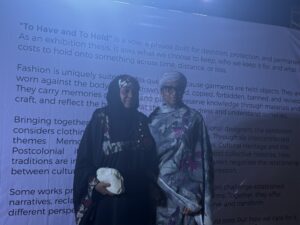
A presentation by writer and researcher Dominic Aboi explored the ideas behind the festival’s theme, “To Have and To Hold,” drawing attention to the cultural values, traditions and relationships that communities seek to preserve.
The programme also featured a video presentation by the Kaduna State Institute of Vocational Training and Skills Development (KIVTSD), including a spoken-word performance by Deborah Johnson.
The opening ceremony concluded with a keynote address by the Kaduna State Commissioner for Business, Innovation and Technology, Patience Fakai, who represented Governor Uba Sani.
Her participation reflected the role of government institutions in supporting creative development and strengthening the state’s cultural and economic potential.
Art, Heritage and Collaboration Take Centre Stage
Friday, November 20, shifted attention to artistic exploration, traditional knowledge and collaboration among creatives.
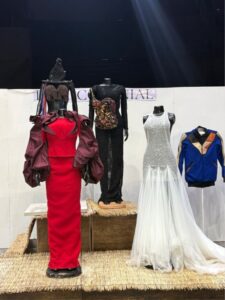
The exhibition spaces opened alongside the vendor fair and fashion pop-up, giving artists, designers and entrepreneurs opportunities to showcase their products and engage with visitors.
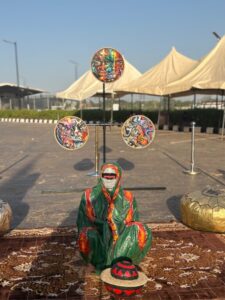
Participants also toured public art installations, extending the festival experience beyond conventional exhibition spaces and encouraging conversations around the place of art in public environments.
Traditional knowledge featured prominently through a collective cooking session and discussions on jute and clay pots, facilitated by Sanctuary by AGBO ILE and the Kusbarra Collective.
The Meet the Artists session allowed visitors to interact directly with participating artists, gaining insights into their creative journeys, inspirations and working processes. A jute art workshop facilitated by Baraketchbook further introduced participants to the creative possibilities of natural materials.
Questions of identity and belonging also featured in a fireside conversation titled “Belonging Across Borders,” which brought together Namse Udosen and Anta Gueye-James to examine cultural connections and the experiences that shape individual and collective identities.
The day’s activities continued with a Boubou and Tea Session organised by Sanctuary by AGBO ILE in collaboration with Garland Magazine. The evening ended with the Mara System Night, featuring DJ Khalipha.
Together, the activities demonstrated how fashion, food, traditional craftsmanship and contemporary art can create opportunities for cultural exchange and shared learning.
Grants, Awards and Recognition Highlight Day Three
Saturday, November 21, brought together exhibitions, fashion presentations, workshops and discussions, with particular attention on supporting creative talents and recognising contributions to the industry.
The programme included a collective cooking session and talks centred on hibiscus and turmeric. Participants also explored natural dyeing techniques during a hibiscus dyeing workshop facilitated by Jesudara Hinmikayiye.
Another major discussion, “Bollywood vs Kannywood: Cultural Transformations and Knowledge of Self,” examined the relationship between popular film industries, cultural representation and the influence of cinema on identity and society.
Fashion presentations and a film screening by Clan Yujo added to the day’s creative activities.
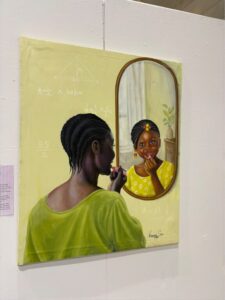
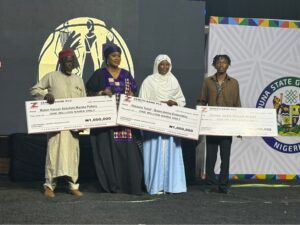
One of the major highlights was the official opening of the exhibition and the presentation of Kaduna State Creatives Grants.
Commissioner Patience Fakai, representing Governor Uba Sani, delivered the keynote address, presented grants in support of Kaduna’s creative community and formally declared the exhibition open.
The occasion attracted several distinguished personalities, including representatives of the Emir of Zazzau, His Highness the Agwam Bajju, Hauwa Liman of the Office of the Vice President, Honourable Hadiza Abubakar Yar’adua and Hajia Nana Tijjani, Curator of the National Gallery of Arts, Abuja.
An opening panel discussion, “What Is the Role of Art in Society?” also brought participants together to examine how artistic expression influences social development and cultural understanding.
Recognising Outstanding Creative Contributions
The KAFART 2026 awards recognised individuals whose work and contributions have helped advance the creative industry.
Among the recipients were Jah-love Shekwoyemi Ayuba, who received the Emerging Artist Award, and Jesse Josh Goje, named Artist of the Year in recognition of his efforts in training more than 100 young people in mural painting.
Safiya Ambursa of Hafmar by Susu received the Fashion Designer Award, while Joshua Akubo was recognised for Social Impact Through Art.
Hauwa Liman of Afrik Abaya received the Social Impact Through Fashion award and was also named Global Arewa Fashion Icon. Samira Mohammed of Sultana received the Social Impact Through Fashion and Art award.
The festival also honoured two master artisans whose work continues to sustain traditional craftsmanship.
Mallam Hassan Abdullahi of Maraba Pottery was recognised for his 40 years of experience and for training more than 200 people. Hassana Yusuf of Queen Amina Embroidery was celebrated for her contribution to empowering women artisans through traditional Hausa hand embroidery.
The recognitions highlighted the importance of passing creative skills between generations while ensuring that traditional crafts remain relevant and economically valuable.
The day’s programme concluded with closing remarks by the Permanent Secretary of the Ministry of Business, Innovation and Technology.
Fashion, Identity and the Stories Behind the Exhibition
Beyond the formal programme, conversations with participants and personalities offered further insight into the significance of fashion, cultural identity and the festival’s theme.
For MC Raheena, fashion should not be defined by how much a person can afford to spend. She encouraged people to embrace personal style without feeling pressured by financial limitations.
“Remember, you do not have to rob a bank to look good. Fashion is what you are, embodied in what you want to present to the world,” she said.
Her message presented fashion as an expression of identity and personality rather than a competition based on expensive clothing.
Festival host Ganiyat Sani also explained the inspiration behind “To Have and To Hold,” describing it as a reflection on the things communities value, nurture and preserve.
She emphasised the importance of maintaining meaningful connections with cultural heritage and being present for one another, linking the theme to collective identity and responsibility.
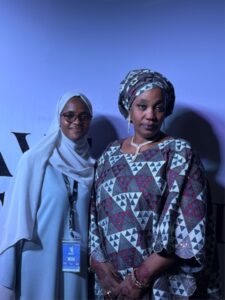
For Hajiya Hauwa Liman, Northern Nigeria’s cultural heritage offers significant opportunities for telling the stories of its people through fashion.
She described fashion as a part of life and a medium through which creative individuals express themselves, adding that the region’s cultural resources could be better harnessed to promote local talents and project its identity to wider audiences.
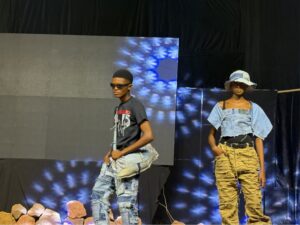
Meanwhile, Martins, a model participating in the festival, encouraged people to embrace experimentation and enjoy new experiences.
“Try and have fun by trying new things,” he said, reflecting the spirit of creativity, confidence and openness that characterised the gathering.

The Final Day: Bringing the Creative Community Together
Sunday, November 22, marked the conclusion of the four-day exhibition, although the creative activities continued until the final hours.
Artists, fashion designers, vendors and creative entrepreneurs remained on hand to showcase their work, interact with visitors and build connections.
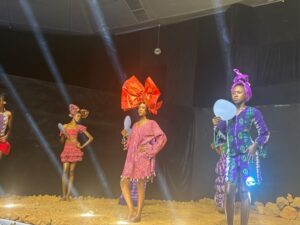
Discussion sessions involving panelists provided further opportunities to exchange ideas on art, fashion and the creative industry, while runway presentations by models added colour to the closing activities.
An Afro DJ and a live musical performance by Nigerian musician Aphro Di’ja contributed to the celebratory atmosphere as participants reflected on their experiences throughout the festival.
The gathering formally brought the exhibition to a close before celebrations continued with a social outing.
From the opening cultural performances to the final fashion presentations, the last day reflected KAFART’s wider ambition of creating a space where different creative disciplines and communities could meet.
Beyond the Exhibition: Investing in the Future of Northern Nigeria’s Creative Industry
The sixth edition of KAFART demonstrated that the creative industry extends beyond exhibitions, fashion collections and artistic performances. It also encompasses cultural preservation, skills development, entrepreneurship, social impact and economic opportunity.
The presentation of grants to members of Kaduna’s creative community highlighted the importance of providing practical support for people whose talents and ideas contribute to the industry.
Similarly, the recognition of master artisans such as Mallam Hassan Abdullahi and Hassana Yusuf drew attention to the value of traditional knowledge and the need to preserve craftsmanship through training and intergenerational learning.
The participation of government representatives, cultural institutions, local and international creatives, entrepreneurs and young talents also underscored the importance of partnerships in developing a stronger creative ecosystem.
For emerging artists and designers, the festival offered opportunities to connect with established professionals, present their work and gain exposure. For visitors, it provided a closer look at the diversity of artistic talent and cultural expression within Northern Nigeria.
As the curtains came down on the four-day celebration, “To Have and To Hold” left behind a message about the relationship between preserving cultural heritage and embracing new creative possibilities.
Ultimately, KAFART 2026 celebrated more than what Northern Nigeria creates. It celebrated the people, stories, traditions and creative ideas that give the region its identity and make that identity worth preserving.