The four-day summit brings together representatives of 56 member countries to discuss economic cooperation, investment, climate action and the future of the organisation amid growing global uncertainty.
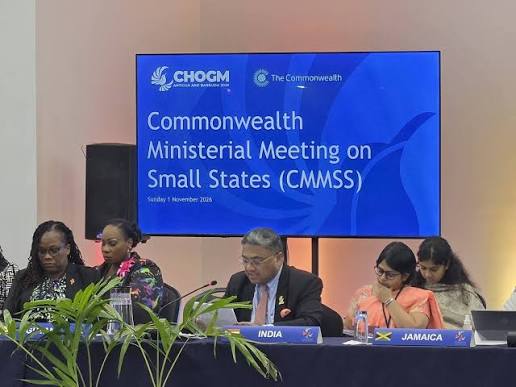
Leaders from across the Commonwealth have converged on St John’s, Antigua and Barbuda, for the 28th Commonwealth Heads of Government Meeting (CHOGM). The summit runs from November 1 to 4, 2026, against a backdrop of global conflicts, economic uncertainty, rising living costs and growing climate threats.
The meeting brings together representatives of 56 member countries, which collectively account for about 2.7 billion people. This year’s theme, “Accelerating Partnerships and Investment for a Prosperous Commonwealth,” reflects a push to strengthen cooperation and create economic opportunities across the organisation.
Commonwealth Secretary-General Shirley Botchwey says the gathering presents an opportunity to turn shared commitments into practical results. She has called for stronger partnerships between governments, businesses and development organisations to address challenges affecting member states.
Trade and Investment: A Major Priority
Economic cooperation sits at the centre of this year’s discussions. Leaders want to expand trade among member countries, attract foreign investment and improve access to finance, particularly for developing economies.
The Commonwealth Secretariat says 20 developing member countries have presented investment-ready projects worth approximately 34 billion dollars. The proposals cover areas including infrastructure, climate action, trade and youth employment.
The Commonwealth Business Forum, running from November 2 to 4, provides a platform for government officials, investors and business leaders to explore these opportunities. Discussions include trade financing, economic resilience, emerging technologies and sustainable growth.
For smaller economies, the discussions carry particular importance. Many depend heavily on international trade, tourism and external financing. Changes in global trade policies, tariffs and borrowing costs can therefore have significant effects on their economies.
Climate Change and the Vulnerability of Small States
Climate change is another major issue at the summit. Several Commonwealth countries face rising sea levels, coastal erosion and increasingly severe weather events.
According to the Associated Press, 49 of the Commonwealth’s 56 member countries have coastlines. This exposes many of them to flooding, hurricanes and other climate-related risks.
Leaders are expected to discuss climate financing and support for countries transitioning from fossil fuels to renewable energy. The discussions also highlight the need to help vulnerable countries prepare for extreme weather and protect their coastal communities.
For Caribbean and Pacific nations, climate action is not just an environmental concern. It is closely connected to economic survival, food security, tourism and the protection of homes and infrastructure.
Slavery Reparations Reopen Historical Debate
Beyond trade and climate, the summit has renewed debate over the legacy of slavery and colonialism.
Some Caribbean leaders want Commonwealth countries to address the long-term consequences of the transatlantic slave trade. They argue that historical exploitation contributed to inequalities that continue to affect former colonies.
The issue has generated diplomatic tension ahead of the meeting. Reports indicate that the United Kingdom opposed placing slavery reparations on the formal summit agenda. However, discussions about historical responsibility and possible structured dialogue remain part of the wider debate.
British Prime Minister Andy Burnham has expressed willingness to engage in structured discussions and listen to calls for an apology. However, he has rejected direct reparations. Some Caribbean leaders, meanwhile, maintain that meaningful discussions must address the lasting economic and social effects of slavery.
Youth Development and Digital Skills
The Commonwealth is also placing attention on its young population. Proposed initiatives include a fund to help about 10 million young people develop digital skills.
The initiative aims to improve access to technology training and prepare young people for opportunities in an increasingly digital economy. Youth employment, entrepreneurship and access to education also feature in discussions surrounding the summit.
The Commonwealth Youth Forum and Women’s Forum are running alongside the main meeting. These gatherings provide platforms for young people, women and civil society groups to contribute to conversations about development and inclusion.
Nigeria Joins the Commonwealth Engagement
Nigeria is also participating in the summit. The Secretary to the Government of the Federation, George Akume, and the Minister of Foreign Affairs, Bianca Odumegwu-Ojukwu, arrived in St John’s on November 1 to lead the country’s delegation.
Nigeria’s participation provides an opportunity to engage other member states on trade, investment, development cooperation and shared diplomatic priorities.
The summit also offers Nigeria a platform to strengthen bilateral relationships and explore partnerships that could support its economic and development objectives.
King Charles Expected at Opening Ceremony
King Charles III, Head of the Commonwealth, and Queen Camilla are expected to attend the summit’s formal opening ceremony on November 3.
The meeting will conclude on November 4, when leaders are expected to review the discussions and outline priorities for the organisation’s future.
As the summit continues, attention will remain on whether the discussions produce practical commitments on investment, climate financing, youth development and the historical concerns raised by Caribbean nations.