

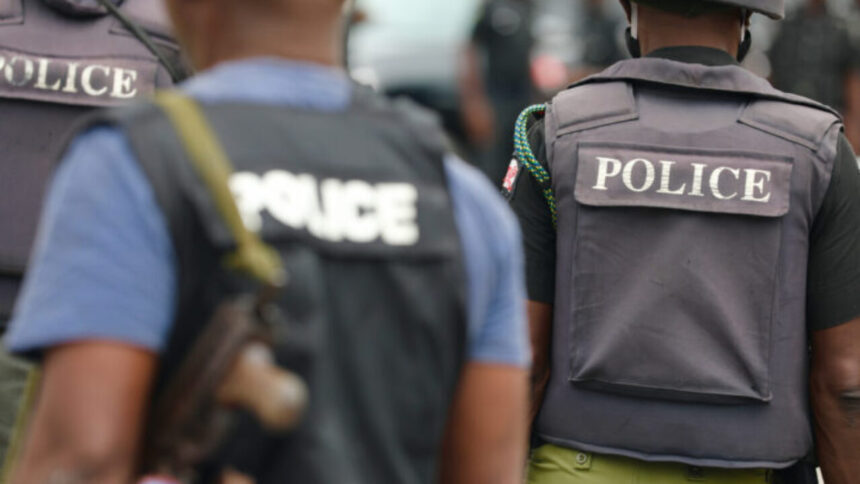
The number of states supporting the proposed establishment of state police in Nigeria has risen to 15 following endorsements by the Ekiti and Kebbi State Houses of Assembly.
While the Ekiti Assembly passed the proposed constitutional amendment on Wednesday, the Kebbi lawmakers adopted a resolution supporting decentralised policing as a measure to strengthen security and protect lives and property.
The endorsements bring the number of states backing the proposed amendment to 15, following earlier approvals by Osun, Edo, Oyo, Rivers, Zamfara, Kwara, Nasarawa, Ogun, Delta, Taraba, Cross River, Plateau and Enugu.
The proposed constitutional amendment requires the support of at least 24 of Nigeria’s 36 state Houses of Assembly to secure the required two-thirds majority.
In Kebbi, 20 lawmakers supported the proposal during plenary presided over by the Speaker, Salihu Dangoje.
The resolution followed deliberations on a proposal presented by the Chairman of the House Committee on Internal Security, Muhammad Garba Bena. Four members of the 24-member Assembly were reportedly absent on official assignments.
Speaking after the session, Bena said the proposed establishment of state police would strengthen security operations and improve responses to security threats across the state and the country.
“The establishment of state police will go a long way in strengthening security operations, improving responses to security threats and protecting lives and property in Kebbi State and Nigeria at large,” he said.
The Speaker subsequently announced the adoption of the resolution in support of establishing state police services.
In Ekiti, the House passed the Constitution of the Federal Republic of Nigeria, 1999 (Sixth Alteration) Bill, 2026, with the support of all 21 members present.
The Chairman of the House Committee on Media and Public Affairs, Babatunde Oke, said the Speaker, Adeoye Aribasoye, had directed the Clerk of the Assembly to transmit the bill to the National Assembly alongside the legislature’s observations.
Aribasoye described the proposal as an important issue that had remained at the centre of national discussions for more than two decades.
He said Nigeria’s security challenges required practical solutions, citing concerns over delayed responses to distress calls, limited operational reach and the distance between law enforcement agencies and the communities they serve.
According to the Speaker, a properly structured state police system could improve accountability by bringing policing leadership and oversight closer to residents and elected representatives, provided adequate constitutional safeguards were established.
He added that insecurity had disrupted livelihoods, affected education, weakened business confidence and eroded public trust in some communities.
Oke said the Assembly’s Committee of the Whole had examined the bill clause by clause and recommended that the House concur with the proposed constitutional alteration, subject to an amendment to Section 317A(5).
The committee subsequently recommended the bill’s passage, paving the way for its transmission to the National Assembly.
The push for state police has gained attention amid persistent security challenges across Nigeria, with proponents arguing that decentralised policing could improve local intelligence gathering and enable faster responses to threats.
However, the proposal still requires the constitutionally prescribed level of support from state legislatures before the amendment process can proceed to the next stages.