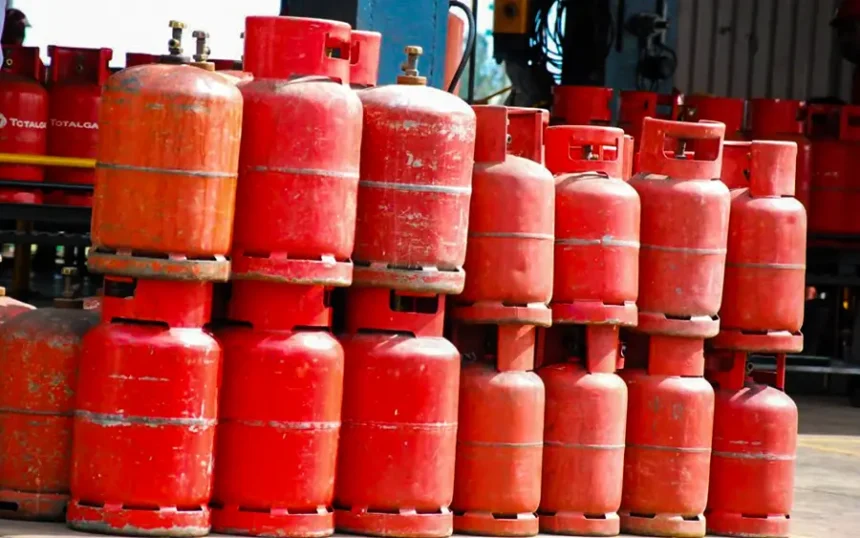
Nigeria LNG Limited has announced plans to increase cooking gas production by 50 per cent by the end of 2027.
The move aims to boost domestic supply and meet Nigeria’s growing demand for Liquefied Petroleum Gas, known as LPG or cooking gas.
NLNG Managing Director and Chief Executive Officer, Adeleye Falade, announced the plan at the completion of the Asiko Energy Holdings LPG and propane terminal in Ijora, Lagos.
Falade said NLNG produced about 500,000 tonnes of LPG in 2025.
However, that volume meets only about 40 per cent of Nigeria’s current demand.
The company plans to raise production by 50 per cent. This could push annual output to about 750,000 tonnes.
NLNG has supplied LPG to the Nigerian market since 2005. The company started with about 70,000 tonnes of domestic supply.
Its supply has grown steadily over the years.
In 2022, NLNG committed all its retained LPG production to the Nigerian market.
NLNG also expects its Train 7 expansion to support higher gas production.
The project will increase the company’s LNG production capacity from about 22 million tonnes to 30 million tonnes per year.
Train 7 should also increase LPG output.
More domestic LPG could reduce pressure on the local market. It could also reduce Nigeria’s reliance on imported cooking gas.
Demand for cooking gas continues to grow across Nigeria.
Data from the Nigerian Midstream and Downstream Petroleum Regulatory Authority showed that domestic LPG supply reached about 5,332 tonnes per day in July 2026.
The figure rose from about 5,100 tonnes per day in June.
Domestic suppliers provided most of the July supply. Imports made up the remaining volume.
The figures show that Nigeria needs more supply to keep pace with rising demand.
Higher production could help improve supply. However, price remains a major concern for Nigerian households.
Cooking gas prices have risen sharply in recent years. The increases have placed additional pressure on household budgets.
Prices have dropped from earlier highs in some markets. Yet many families still find LPG expensive.
Low-income households face an even greater challenge.
More production could ease some supply pressure. However, consumers need more than higher output.
They also need reliable distribution and competitive prices.
Nigeria has large natural gas reserves. However, the country still needs more infrastructure to move gas to consumers.
Storage facilities play an important role in the LPG market.
Transportation and distribution networks also affect availability and prices.
The newly completed Asiko Energy LPG terminal could strengthen this part of the supply chain.
The facility has a storage capacity of about 5,000 metric tonnes.
It also connects to three major jetties for LPG deliveries.
The terminal should improve the movement and storage of cooking gas in the domestic market.
Higher LPG production could also support Nigeria’s clean cooking goals.
Millions of Nigerians still use firewood, charcoal and other traditional fuels for cooking.
Greater access to LPG could help households switch to cleaner cooking options.
The shift could also reduce pressure on forests and improve indoor air quality.
But affordability remains critical.
Producing more LPG will not solve the clean cooking challenge if households cannot afford it.
NLNG’s plan could provide a major boost to Nigeria’s domestic LPG market.
The increase could improve supply and reduce pressure on imports.
However, higher production alone will not guarantee cheaper cooking gas.
Nigeria also needs better storage, transportation and distribution.
A competitive market will also help consumers benefit from higher supply.
For millions of Nigerian households, the key question is simple.
Will more domestic LPG production make cooking gas easier to find and more affordable?
NLNG’s planned 50 per cent increase will test the country’s ability to connect higher production with better distribution.
As Nigeria expands its use of natural gas, the move could support energy security, cleaner cooking and stronger domestic gas supply.