
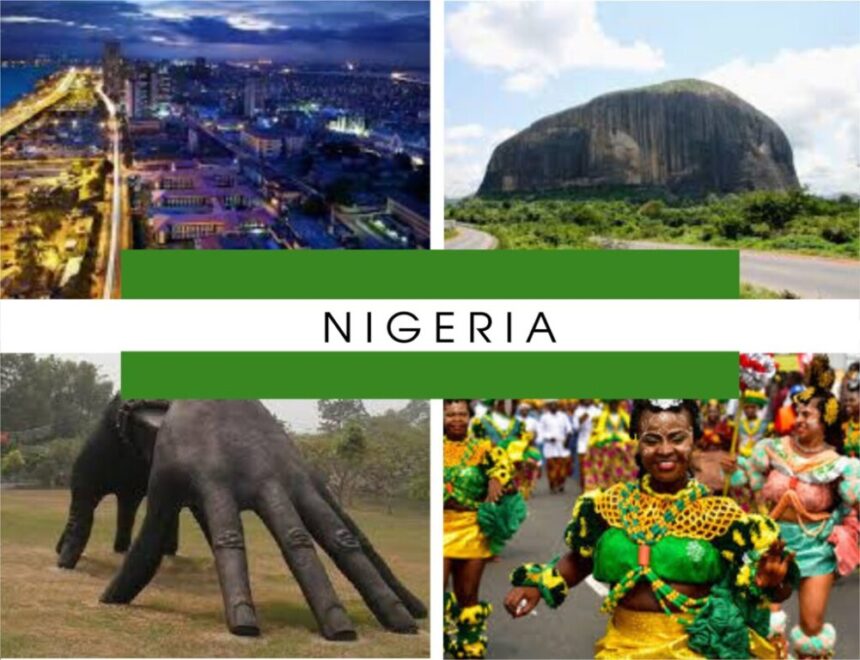
Every country has something that cannot be manufactured in a factory, for some, it is a famous skyline, for others, it is a historic monument, a coastline, a rainforest or a mountain range. Nigeria has many of these natural treasures, yet too often, they remain beautiful places waiting for someone to unlock their economic value.
Nature’s Untapped Economic Potential
Today, September 27, the world marks World Tourism Day, an annual observance created to highlight the social, cultural and economic importance of tourism. In 2026, El Salvador hosts the global celebration under the theme, “Digital Agenda and Artificial Intelligence to Redesign Tourism.” The theme focuses on technology, but it also raises a wider question: how can countries make their destinations more visible, accessible and useful to the people who live around them?
For Nigeria, that question starts with nature. From Yankari Game Reserve and the Obudu mountains to Erin Ijesha Waterfalls, Ogbunike Cave, Gurara Falls and the beaches along the country’s coastline, Nigeria has attractions capable of drawing domestic and international visitors. The Federal Government itself has acknowledged the scale of this potential. In June 2026, Vice President Kashim Shettima said Nigeria’s festivals, historic cities, beaches, waterfalls, mountains, warm springs and wildlife could attract global interest if the country properly maps, protects, develops, secures and markets them.
Nigeria Has No Shortage of Attractions
The economic argument is difficult to ignore. Globally, Travel and Tourism contributed $11.6tn to GDP in 2025 and supported 366 million jobs, according to the World Travel & Tourism Council. The sector also generated $2.02tn in international visitor spending in 2025. For Nigeria, tourism could provide another route to diversify income and create jobs, particularly for young people and communities located close to tourist sites.
The World Bank has repeatedly highlighted Nigeria’s need to reduce its exposure to oil and diversify exports and government revenue. In 2023, oil and gas accounted for almost 90 per cent of Nigeria’s exports and about half of government revenues, according to World Bank analysis. Tourism cannot replace oil overnight, but it can give the country another source of economic activity, foreign exchange and employment.
The Gap Between Sites and Destinations
Yet Nigeria’s challenge is not a shortage of attractions. It is the gap between having a tourist site and building a tourism destination. A waterfall cannot create many jobs if the road leading to it remains difficult to navigate. A wildlife reserve cannot attract repeat visitors without safety, trained guides, accommodation and effective conservation. A historic site cannot compete internationally if tourists cannot easily find reliable information about it online.
Tourism requires roads, electricity, clean water, sanitation, security, hospitality businesses, trained workers and digital promotion. It also requires local communities to benefit, because residents who gain income from tourism have stronger incentives to protect the places visitors come to see.
Where Government Must Step In
This is where Nigeria needs to move beyond annual celebrations and speeches. Government can identify priority tourist zones and develop them through public private partnerships. States can improve access roads, security, sanitation and visitor facilities around major attractions. Authorities can train local residents as tour guides, conservation workers, hospitality staff, craft producers and small business owners.
Digital mapping can make lesser known destinations easier to discover, while responsible use of artificial intelligence can help travellers plan visits and help tourism authorities understand visitor patterns. The Federal Government has already acknowledged that tourism development requires practical investment, reliable data and collaboration with private investors. The next step is turning that recognition into visible action.
Tourism Can Create Jobs
The opportunity extends beyond international tourists. Nigeria has a huge domestic market, and tourism can encourage Nigerians to spend money within the country while discovering places they may never have visited.
A family visiting a waterfall buys food from a local vendor, pays a guide, hires transport and may spend the night in a nearby hotel. Multiply that across thousands of visitors and an attraction becomes more than a beautiful location. It becomes an economic ecosystem that supports businesses and creates employment around it.
Beyond Oil, A New Economic Opportunity
World Tourism Day should therefore be more than a date on the calendar for Nigeria. It should prompt a different conversation about what the country owns and what it does with those assets.
Nigeria does not need to invent mountains, waterfalls, forests, beaches or wildlife reserves. Nature has already provided them. The real task is to protect them, develop them responsibly and connect them to an economy that gives communities a reason to preserve them.
In a country searching for jobs, foreign exchange and new sources of revenue, tourism should not remain an afterthought. Nigeria has the attractions. What it needs now is the infrastructure, investment, security and long term planning to turn those natural assets into sustainable economic opportunities.