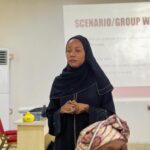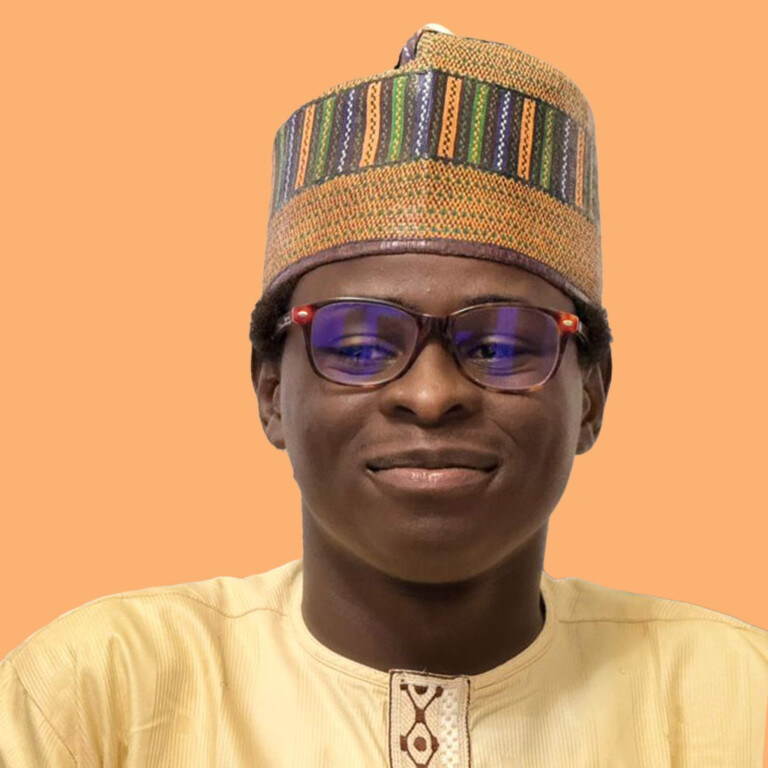
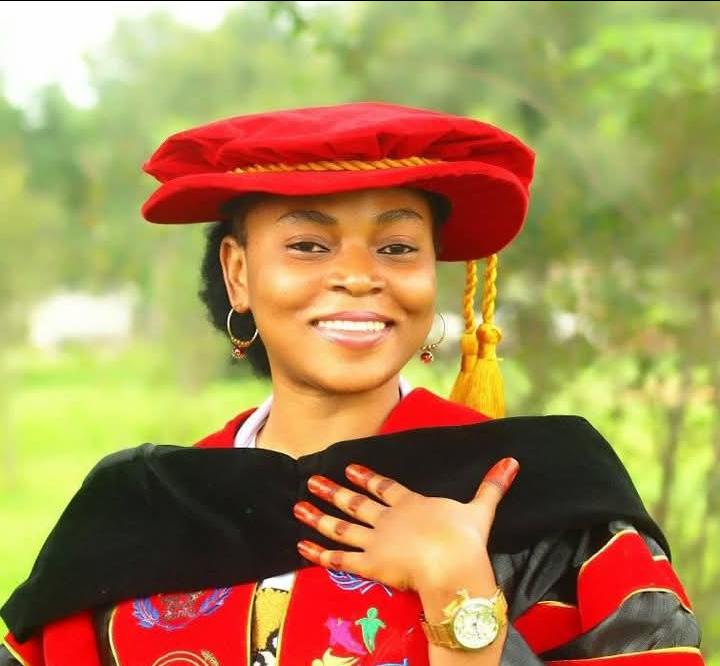
Public affairs commentator, Dr. Zainab Suleiman Buhari, has called for greater transparency, accountability, and institutional reforms in Nigeria, arguing that recurring patterns of poorly executed public projects and weak oversight have continued to erode public trust in government.
In a reflection titled “The Loot in Plain Sight: How ‘Scam Projects’ Broke Trust and What Nigeria Must Do Next,” Dr. Buhari examines governance and anti-corruption efforts between 2015 and 2023, contending that many high-profile public projects failed to meet expectations despite substantial public funding.
According to her, the country’s biggest challenge is not only allegations of corruption but the culture of defending public officials regardless of the evidence presented.
“The worst part is not that the money was stolen. The worst part is that you’ll see loyalists defending it,” she wrote, urging Nigerians to place national interest above partisan loyalty.
Dr. Buhari identifies what she describes as recurring governance patterns that have weakened accountability over the years.
She points to projects she considers “white elephants,” including the Nigeria Air initiative, delayed infrastructure projects, and concerns raised over the implementation of some social investment programmes. She argues that while several projects were launched with significant publicity, questions remained over transparency, implementation, value for money, and public accountability.
The analyst also highlights emergency intervention programmes introduced during national crises, including COVID-19 relief efforts, saying such initiatives should be subjected to stronger public scrutiny to ensure resources reach intended beneficiaries.
On public financial management, Dr. Buhari raises concerns about expenditures under security and special intervention budgets, calling for improved legislative oversight while recognising the need to protect sensitive national security information.
She further argues that political polarisation has discouraged public accountability, noting that criticism of government actions is often interpreted as political opposition rather than constructive civic engagement.
According to her, this environment discourages whistleblowing, limits public debate, and weakens democratic oversight.
Dr. Buhari also warns that repeated allegations of financial mismanagement undermine public confidence in governance and discourage citizens from believing that merit, transparency, and hard work are rewarded.
To strengthen accountability, she proposes several reforms, including the publication of project information through publicly accessible dashboards, the establishment of specialised anti-corruption courts to speed up corruption trials, improved oversight of security-related spending, greater involvement of civil society in monitoring public projects, and stronger protection and incentives for whistleblowers.
She argues that these measures would help improve transparency and reduce opportunities for abuse in public procurement and project implementation.
Dr. Buhari concludes by urging Nigerians to reject blind political loyalty and demand greater accountability from elected leaders regardless of political affiliation.
According to her, sustainable reforms will only be achieved when citizens prioritise evidence over sentiment and insist on transparency in the management of public resources.
She maintains that Nigeria’s future depends not on the emergence of another political saviour but on an informed citizenry willing to hold leaders accountable and demand responsible governance.
Editor’s Note: This report summarizes the opinions and recommendations expressed by Dr. Zainab Suleiman Buhari in her published reflection. The views are hers and do not necessarily represent those of S24 Television. Some of the issues raised involve allegations and public policy critiques that remain matters of public debate and should be understood within that context.