
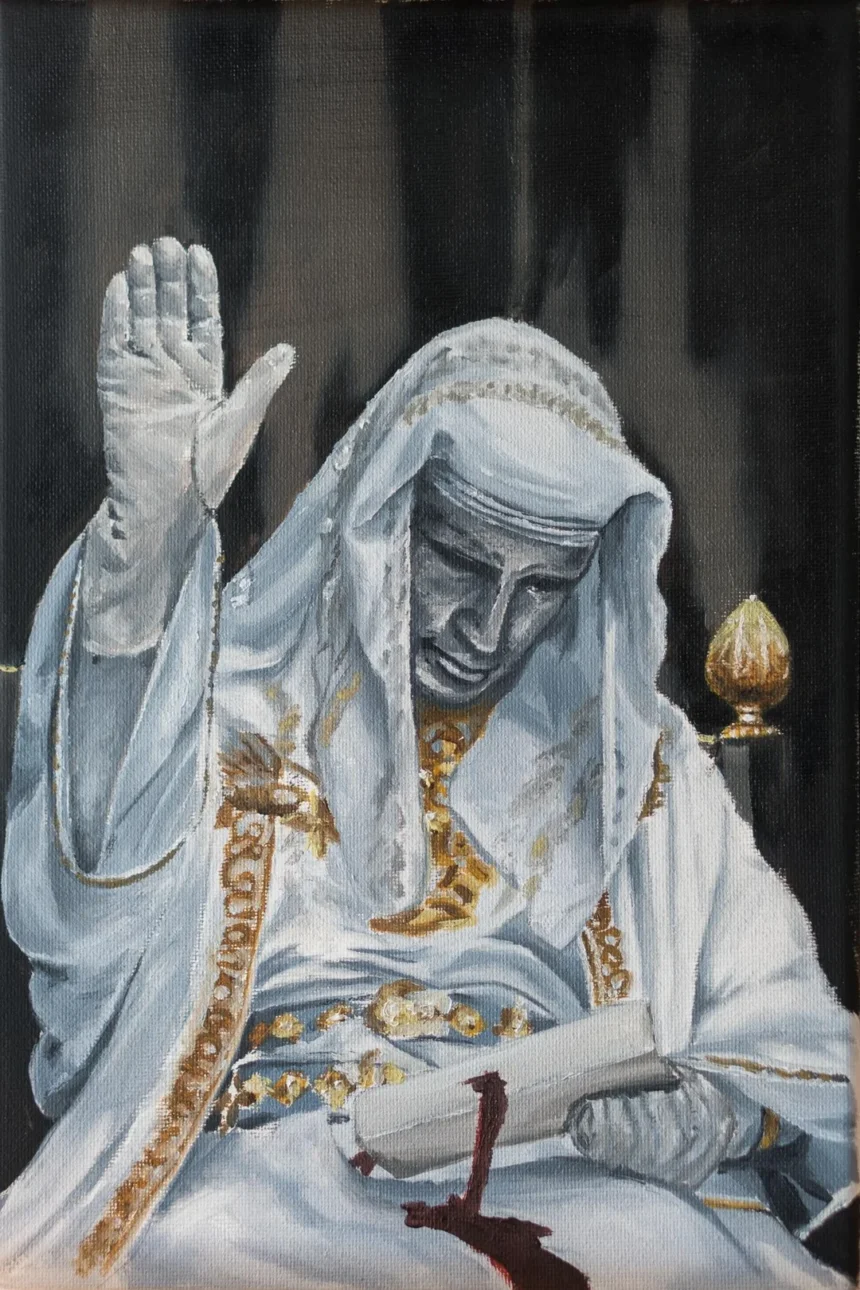
History is filled with rulers who conquered kingdoms with strength and armies, yet few kings have inspired admiration quite like King Baldwin IV of Jerusalem, a monarch whose greatest battles were fought against both a powerful enemy and a devastating disease.
Known as the Leper King, Baldwin IV defied impossible odds. Diagnosed with leprosy as a child, he refused to surrender his throne or his people. Instead, he led armies into battle, defeated one of history’s greatest military commanders, and kept the Kingdom of Jerusalem united during one of its most dangerous periods.
Centuries later, his courage continues to fascinate historians and millions of people around the world.
A King Crowned at Just 13
Baldwin IV became King of Jerusalem in 1174 when he was only 13 years old, following the death of his father, King Amalric I.
Even before his coronation, his tutor, William of Tyre, noticed something unusual. Young Baldwin showed no reaction when other children pinched or injured his arm. Doctors later confirmed that he had leprosy, a disease that gradually destroys nerves, skin, and limbs.
At a time when leprosy carried enormous stigma, many believed the young prince would never become an effective ruler.
History proved them wrong.
Leading Soldiers Despite a Deadly Disease
As Baldwin grew older, his illness became increasingly severe.
He gradually lost the use of his hands, struggled to walk, later became blind, and eventually had to travel in a litter carried between two horses. Yet he continued to command armies and personally oversee military campaigns.
Unlike many medieval rulers who directed battles from afar, Baldwin repeatedly placed himself near the front lines, inspiring soldiers who remained fiercely loyal despite his illness.
The King Who Defeated Saladin
Perhaps Baldwin’s greatest achievement came in 1177 at the Battle of Montgisard.
Facing the forces of Saladin, one of history’s most celebrated military commanders, Baldwin led a much smaller Christian army to a stunning victory.
Military historians consider the battle one of the greatest upsets of the Crusades. Despite being heavily outnumbered, Baldwin’s forces shattered Saladin’s army and forced it into retreat.
The victory established Baldwin as one of the most respected military leaders of his generation.
He Never Stopped Fighting
Leprosy continued to ravage Baldwin’s body, but it did not weaken his resolve.
Even after losing his eyesight and becoming unable to walk unaided, he insisted on accompanying his troops.
During the siege of Kerak in 1183, Baldwin travelled in a litter suspended between two horses so his soldiers could see their king leading them once again. His arrival helped force Saladin to abandon the siege and preserved one of the kingdom’s most strategic fortresses.
More Than a Warrior
Baldwin understood that protecting Jerusalem required more than winning battles.
He strengthened the kingdom’s defences, secured support from Italian maritime republics to break naval blockades, financed repairs to important castles, and carefully managed political alliances while resisting repeated attempts by Saladin to expand his territory.
Although political rivalries challenged his reign, Baldwin consistently placed the survival of the kingdom above personal ambition.
A Remarkable Legacy
Baldwin died in 1185, likely at just 23 or 24 years old, after more than a decade on the throne.
Within two years of his death, Saladin defeated Baldwin’s successors at the Battle of Hattin, leading to the loss of Jerusalem.
Many historians believe Baldwin’s leadership had been the kingdom’s greatest source of unity and stability. While he ruled, Jerusalem lost no territory, and the kingdom remained politically and economically strong despite constant threats.
Why King Baldwin Still Inspires People Today
King Baldwin IV’s story continues to resonate because it challenges common assumptions about leadership and physical ability.
Despite living with a debilitating illness that eventually left him blind and unable to walk, he earned the loyalty of his people through courage, determination, and resilience. Contemporary accounts describe how his subjects stood firmly behind him despite his leprosy, while even some Muslim chroniclers expressed surprise at the devotion he inspired.
His life demonstrates that true leadership depends less on physical strength than on character, resolve, and the willingness to stand firm in the face of overwhelming adversity.
Today, Baldwin IV is remembered not simply as the Leper King, but as one of history’s most extraordinary rulers,a young monarch who accomplished feats that many healthy and experienced kings twice his age never achieved.