
Lagos is set for a major transport upgrade after the European Investment Bank (EIB) committed €170 million to improve water transport across the state.
The funding supports the Omi Eko Project, a large transport plan designed to make travel easier for millions of residents. As a result, Lagos hopes to reduce road traffic and provide faster transport options.
Under the project, Lagos will expand its public water transport system. The state will build new jetties and passenger terminals. In addition, authorities will improve existing facilities and develop new ferry routes.
Officials believe the project will help more people use waterways for daily travel. Consequently, commuters could spend less time stuck in traffic.
The Lagos State Waterways Authority (LASWA) is leading the project with support from European partners.
Besides the €170 million loan from the EIB, the French Development Agency (AFD) has provided a €130 million loan. Meanwhile, the European Union has contributed a €60 million grant.
Together, the funding package ranks among the largest investments in Lagos water transport.
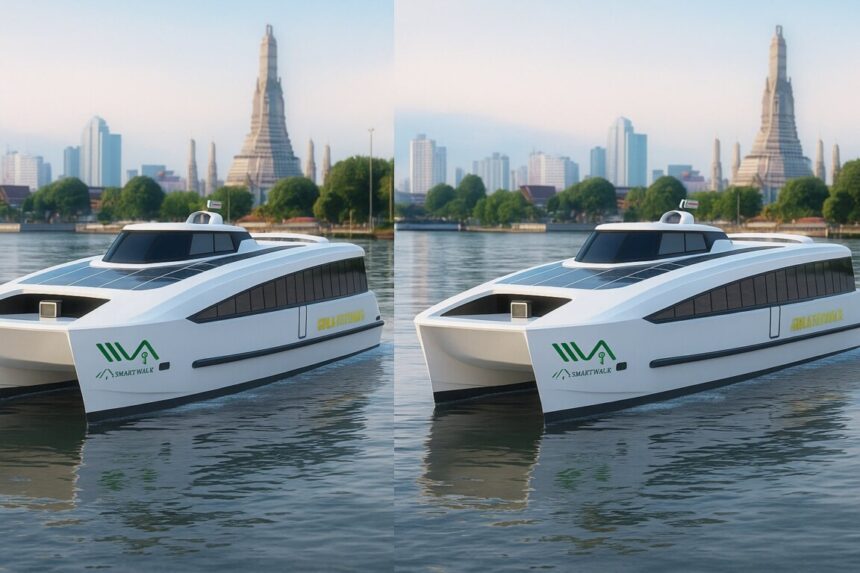
The project will introduce 75 electric ferries across the state. These ferries will operate on 15 planned routes covering about 140 kilometers.
Furthermore, Lagos plans to upgrade and expand 25 ferry terminals and jetties. The new facilities will improve passenger comfort and safety.
At the same time, electric ferries will help reduce emissions and support cleaner transportation.
Lagos remains one of Africa’s fastest-growing cities. Therefore, the demand for reliable transport continues to rise.
Supporters say the project will improve mobility and shorten travel times. In addition, it could create jobs and support economic growth.
More importantly, the expanded network will give residents another travel option beyond crowded roads.
As work moves forward, officials expect the project to change how people move around Lagos. If successful, the initiative could become a model for other cities facing traffic challenges.
For now, the €170 million commitment marks a major step toward building a modern and efficient water transport system.