
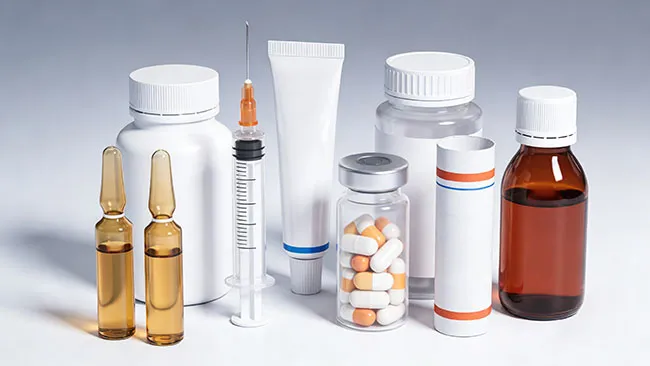
A simple trip to the pharmacy can reveal striking differences in how healthcare systems operate. While patients in the United States typically receive prescription medicines in plastic bottles, those in India are more likely to leave with blister packs. Though it may appear to be a matter of packaging preference, experts say the distinction reflects decades of innovation, regulatory policies, climate adaptation, and healthcare system design.
Blister packaging gained widespread acceptance in the early 1960s following advancements in polyvinyl chloride (PVC) plastic and aluminum foil technology. The packaging method, which seals each tablet individually, offers enhanced protection against moisture, oxygen, and contamination, helping to extend the shelf life of medicines.
The design has proven particularly effective in countries with hot and humid climates, where exposure to heat and moisture can reduce the effectiveness of pharmaceutical products.
In contrast, the United States developed a pharmacy-led dispensing system. Pharmaceutical manufacturers typically supply pharmacies with large stock bottles containing hundreds or even thousands of tablets. Pharmacists then count out the prescribed quantity and repackage it into child-resistant bottles before handing it to patients.
This model became firmly established after the enactment of the Poison Prevention Packaging Act of 1970, which introduced stricter safety standards to reduce accidental poisoning, particularly among children.
India, however, adopted a manufacturer-led packaging approach, where medicines are commonly sold in their original blister packs. This system offers several practical advantages in the country’s climate and healthcare environment.
Blister packs help shield medicines from heat and humidity, allow pharmacies to dispense the exact number of tablets required, make it easier for patients to monitor their medication schedules, and ensure that unused tablets remain sealed until they are needed.
According to healthcare experts, these packaging choices are more than just commercial decisions—they reflect the unique priorities and challenges of different healthcare systems.
While the American model emphasizes pharmacy-controlled dispensing and household safety, India’s approach focuses on product preservation, ease of distribution, and medication adherence in a tropical climate.
The comparison highlights how seemingly ordinary products can tell a broader story about public health policy, regulatory frameworks, climate adaptation, and pharmaceutical innovation.
Ultimately, whether medicine comes in a bottle or a blister pack, the difference illustrates how healthcare systems evolve to meet the specific needs of their populations, demonstrating that even the smallest details of medicine packaging are shaped by decades of scientific, environmental, and policy considerations.