
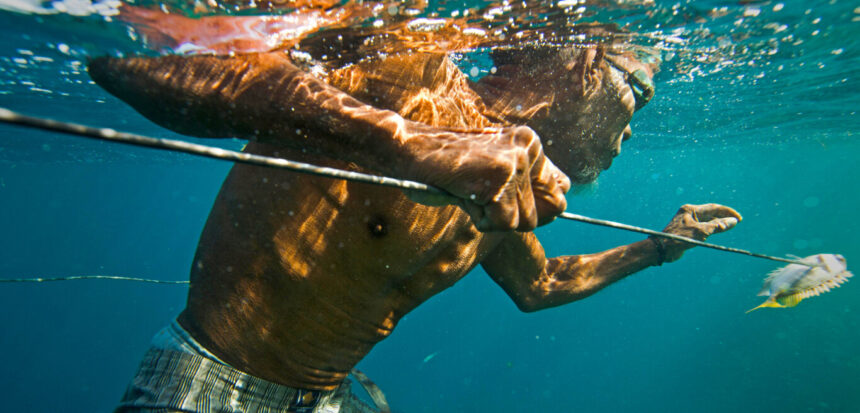
Across the blue waters of Southeast Asia lives one of the world’s most unique maritime communities ,the Bajau people.
Often called the “Sea Nomads,” the Bajau have spent centuries living alongside the ocean. Their culture, traditions, and daily activities have developed around the sea and the natural environment.
Today, Bajau communities live across Indonesia, Malaysia, and the southern Philippines. Their story shows how climate and nature can shape people’s way of life, beliefs, and traditions.
For generations, the ocean has served as the Bajau’s home and source of survival. Many Bajau families traditionally lived on wooden boats known as lepa-lepa. These boats allowed them to follow fish movements, travel between islands, and avoid dangerous weather.
Many Bajau families now live in stilt houses built above shallow waters and coral reefs. Even so, they maintain a strong connection to the sea. The ocean remains at the center of their lives.
Fishing is more than a job for the Bajau. It is a tradition that families pass down from one generation to another. Children learn how to swim and dive at a very young age. They also learn how to read the tides, understand ocean currents, and recognize changes in the weather.
This knowledge helps them survive and earn a living. Elders teach these skills through daily practice and storytelling.
The Bajau are famous for their diving skills. Many can stay underwater for long periods while searching for fish, shellfish, and sea cucumbers.
Scientists have discovered that many Bajau people have larger spleens than average. This organ stores oxygen-rich blood and releases it during deep dives. The adaptation helps them spend more time underwater and highlights the strong link between people and their environment.
Climate affects many aspects of Bajau life. Seasonal winds, monsoon rains, and changing ocean conditions influence fishing trips and travel plans.
Over the years, the Bajau have developed a deep understanding of weather patterns. They observe clouds, winds, and sea movements to decide when it is safe to travel or fish. This knowledge has helped the community survive for generations.
The Bajau’s relationship with the sea goes beyond survival. The ocean also plays an important role in their beliefs and traditions.
Most Bajau people are Muslims. However, many communities still practice customs linked to the sea. They hold rituals to seek protection during voyages and to pray for successful fishing trips. These traditions reflect their respect for the natural world.
Climate change now poses a serious challenge to the Bajau way of life. Rising sea levels, stronger storms, damaged coral reefs, and declining fish populations are affecting their communities.
Many families struggle to maintain traditional fishing practices. Some have moved permanently to land, changing a lifestyle that has existed for centuries. Restrictions on fishing areas have also reduced access to traditional waters.
Despite these challenges, the Bajau remain an example of resilience and adaptation. Their culture shows how nature can shape identity, traditions, and everyday life.
As climate change continues to affect communities around the world, the Bajau remind us that protecting the environment also means protecting cultural heritage. Their future depends on healthy oceans, making them both caretakers of the sea and a symbol of humanity’s deep connection to nature.