
The 2026 Capacity Building Workshop of the Nigerian Library Association (NLA), Plateau State Chapter, has been described as a significant step towards preparing librarians and information professionals for the rapidly evolving digital age.
Held on June 4 and 5, 2026, at the Smart Class facility of ECWA Theological Seminary (JETS), Jos, the workshop brought together librarians, researchers, information managers, and stakeholders under the theme, “Digital Resilience: Skills, Competencies, Capacity Building and Institutional Readiness.”
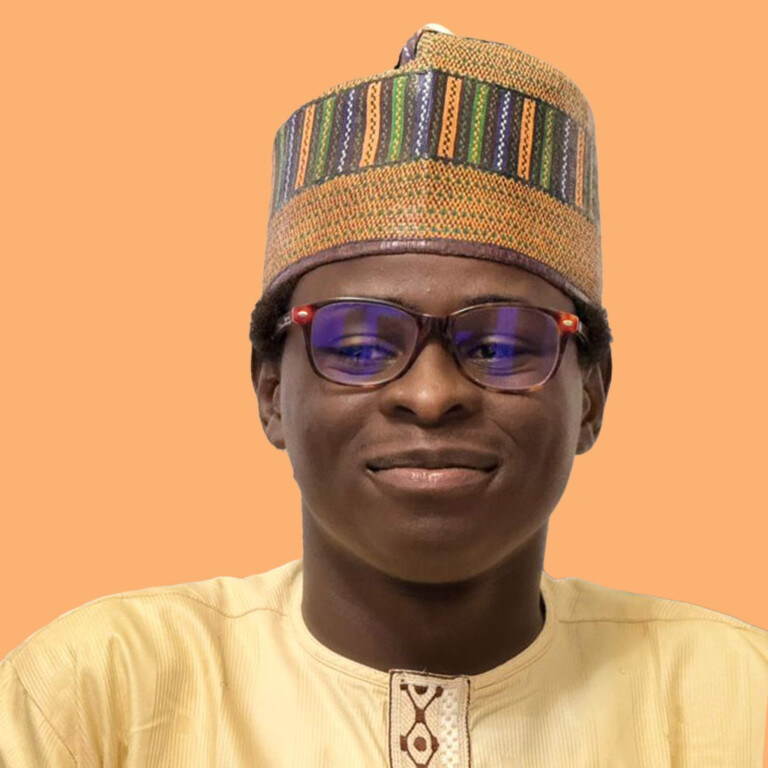
Reflecting on his experience at the event, political scientist and public affairs analyst, Cliff Stanley, said the training provided valuable insights into the future of libraries and the competencies required to thrive in an increasingly technology-driven environment.
Quoting renowned library scholar Lorcan Dempsey, Stanley noted that the future of libraries is not a contest between books and technology but a commitment to facilitating knowledge creation, discovery, and access across multiple formats.
The opening session was facilitated by , who spoke on electronic communication and its impact on contemporary lifestyles and institutions. He emphasized the importance of competence enhancement, effective networking, responsible use of digital technologies, and institutional preparedness in a digitally connected world.
Participants were also exposed to emerging trends in artificial intelligence and digital transformation through presentations by . Speaking on “Core Digital Skills and Competencies for Resilient Libraries,” Martyn traced the evolution of libraries from traditional information repositories to digital and AI-powered knowledge centres.
He highlighted how technological innovations are transforming information access, management, and service delivery while stressing the need for librarians to acquire new competencies in artificial intelligence, data management, digital literacy, ethical governance, and technology integration.
According to him, continuous learning remains essential for librarians seeking to remain relevant in a rapidly changing information ecosystem.
The second day of the workshop focused on sustainability, preservation, and institutional resilience. delivered a presentation on capacity-building models for libraries operating in resource-constrained environments. She explored practical approaches to financing digital transformation, strengthening human capital, adapting technical infrastructure, and building collaborative partnerships.
Another key presentation was delivered on behalf of by . The session focused on digital preservation, business continuity, and risk management strategies necessary for safeguarding institutional knowledge and information resources.
One of the major highlights of the programme was an interactive panel discussion moderated by . The panel featured Eric Martyn, , , and Mallo Ganjang Ibrahim.
The discussion addressed questions on the future of libraries, digital transformation, and the emergence of AI-powered library systems. Panelists emphasized the need for professionals to continually upgrade their skills while balancing traditional library values with modern technological innovations.
Beyond the technical sessions, the workshop provided opportunities for networking, collaboration, and professional exchange among participants from different institutions. Attendees shared experiences and explored partnerships aimed at strengthening library and information services across Plateau State and Nigeria.
Speakers commended the leadership of the Plateau State Chapter of the Nigerian Library Association, particularly Chairman , for organizing what many participants described as a timely and impactful programme.
A communiqué committee also presented recommendations directed at government agencies, educational institutions, and stakeholders on strengthening digital readiness, capacity development, and institutional support for libraries.
The event concluded with the presentation of certificates, a vote of thanks by the chapter chairman, and a group photograph session that reflected the spirit of learning, collaboration, and professional solidarity that characterized the workshop.
Speaking on his personal experience, Stanley described the training as both enlightening and inspiring. He noted that the programme deepened his understanding of the future direction of libraries in an era increasingly shaped by digital technologies and artificial intelligence.
He added that interactions with experienced librarians, researchers, trainers, and fellow participants broadened his perspective and reinforced his commitment to lifelong learning and professional development.
According to him, the workshop demonstrated that as libraries continue to evolve into digital and AI-powered information hubs, resilience, competence, innovation, and collaboration will remain critical to their success.
“The library of the future will not be measured by the size of its shelves, but by the depth of its digital competencies, the resilience of its information systems, and its ability to empower communities with knowledge,” he concluded.
By Cliff Stanley, Political Scientist, Analyst and Public Theologian.