
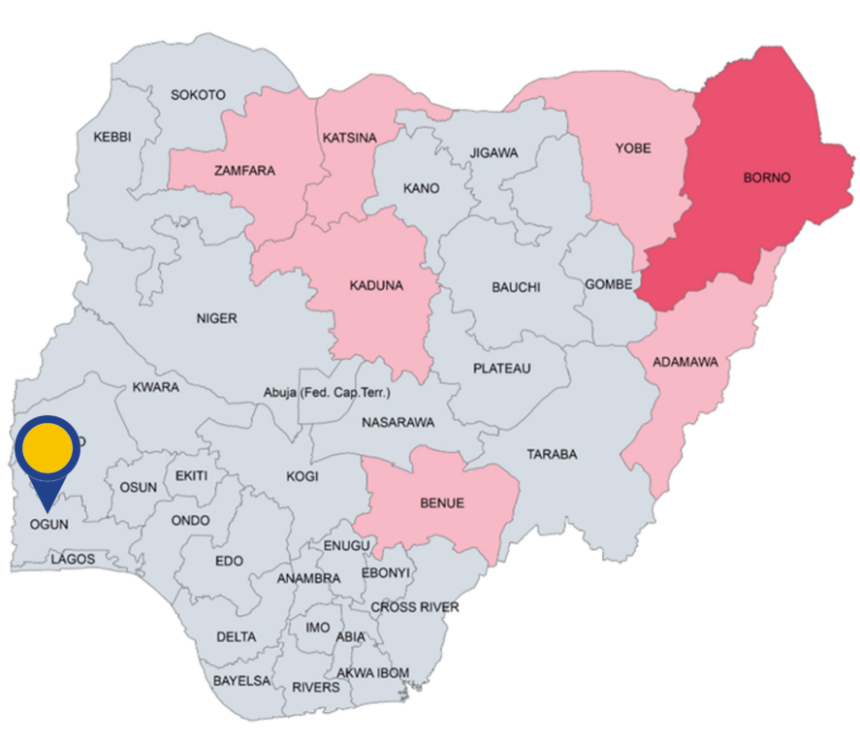
The first sound many farmers listen for at dawn is no longer the crow of a rooster or the hum of a busy marketplace., in many parts of Nigeria, people listen for something else, gunshots, motorcycles speeding through the bush, or warnings from neighbours about approaching armed men.
Across the country, insecurity has transformed everyday life, it influences where people travel, when they open their businesses, and whether parents allow their children to attend school. What once seemed like isolated incidents have evolved into a national challenge that affects millions of Nigerians from rural communities to major cities.
When Fear Reaches the Farmlands
In the Northwest, armed bandit groups continue to terrorize villages, attack travelers, and abduct residents for ransom. Farmers who once spent entire days cultivating their land now weigh every trip to the farm against the risk of violence. Many leave their homes before sunrise and return long before sunset, hoping to avoid encounters with criminal gangs that operate in remote areas.
The consequences extend beyond personal safety. Reduced farming activities affect food production and threaten the livelihoods of families who depend on agriculture. As insecurity spreads across rural communities, economic uncertainty follows closely behind.
Dangerous Roads, Disrupted Livelihoods
For traders, insecurity has turned routine journeys into dangerous missions. Roads that once connected communities and supported local economies now carry stories of ambushes and kidnappings. Some transporters travel in groups for safety, while others avoid certain routes altogether.
These disruptions increase transportation costs, affect the movement of goods, and place additional pressure on households already struggling with rising living expenses. In many communities, insecurity has become an economic issue as much as a security concern.
The Long Shadow of Insurgency
The Northeast continues to confront the lasting effects of insurgency. Although security forces have recorded important victories against extremist groups, many communities still carry the scars of years of conflict.
Families who lost homes, businesses, and loved ones continue to rebuild their lives. Children who missed years of education struggle to catch up, while local leaders work to restore stability and hope in communities that have endured immense hardship.
The Rising Threat of Kidnapping
Kidnapping has emerged as one of the most troubling dimensions of Nigeria’s security challenge. Criminal groups target travelers, students, business owners, and even entire communities. The threat extends far beyond those directly affected.
Each abduction sends shockwaves through families and neighbourhoods. Parents worry about their children’s safety, businesses rethink expansion plans, and communities adjust their daily routines to minimize risk.
Beyond the Statistics
Behind the figures and headlines lie countless personal stories. A farmer who abandons his crops after repeated attacks. A trader who closes her shop because customers no longer travel freely. A student whose education stalls because insecurity forces schools to shut down.
These experiences reveal the true cost of insecurity and remind the nation that every statistic represents a human life disrupted by fear and uncertainty.
Resilience in the Face of Adversity
Despite the challenges, Nigerians continue to demonstrate remarkable resilience. Communities organize local security meetings, share information with authorities, and support victims of attacks. Traditional rulers, religious leaders, and youth groups often step forward to promote dialogue and strengthen cooperation among residents.
Their efforts show that while insecurity threatens communities, it has not defeated their determination to survive and thrive.
Searching for Lasting Solutions
The government has intensified military operations, expanded intelligence gathering, and introduced new security measures. Security agencies continue to pursue criminal networks and strengthen surveillance in vulnerable areas.
However, many experts argue that lasting security requires more than force alone. They point to unemployment, poverty, weak institutions, and limited opportunities as factors that contribute to instability. They believe Nigeria must combine security operations with investments in education, economic development, and community engagement.
Hope Beyond the Crisis
The story of insecurity in Nigeria is ultimately a story about people, people who wake up each day determined to earn a living, educate their children, and build a better future despite the challenges around them.
For millions of Nigerians, security represents more than protection from violence. It represents freedom, the freedom to travel without fear, to work without disruption, and to dream without uncertainty. Until that freedom becomes a reality for all, the quest for lasting peace and security will remain one of the country’s most important priorities.