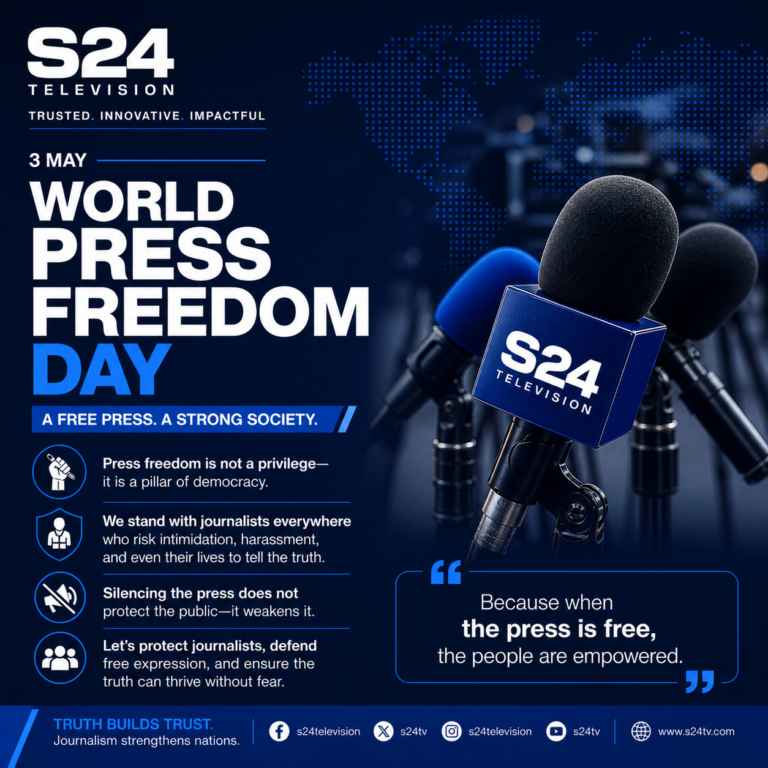
Every year on May 3, the world observes World Press Freedom Day, a day set aside to defend media independence and honour journalists who have paid the ultimate price in pursuit of truth.
The day was established in 1993 by the United Nations General Assembly, inspired by the Windhoek Declaration of 1991, an initiative by African journalists calling for a free, independent, and pluralistic press.
Press freedom has never come easily, Across the world, it has been shaped by resistance against censorship, authoritarian rule, and state control.
In Nigeria, one of the most defining moments in this struggle is the story of Dele Giwa, a fearless investigative journalist and co-founder of Newswatch magazine.
On October 19, 1986, Giwa was assassinated by a parcel bomb at his home in Lagos, becoming one of Nigeria’s most tragic symbols of the dangers journalists face.
His killing remains unsolved, but his legacy continues to define the fight for press freedom in Nigeria.
What Press Freedom Means
Press freedom is the right of journalists to:
- Report facts without fear
- Hold power accountable
- Inform the public without interference
It is the foundation of transparency and democracy.
Why It Still Matters Today
Despite progress, threats to press freedom persist globally and locally:
- Journalists face harassment, detention, and violence
- Governments impose restrictions and censorship
- Disinformation challenges credible journalism
Even in democratic societies, the space for free expression is constantly tested.
Nigeria’s Ongoing Struggle
Nigeria’s constitution guarantees freedom of expression, yet the reality remains complex.
Journalists continue to navigate:
- Political pressure
- Security risks
- Economic challenges within the media industry
The legacy of figures like Dele Giwa serves as a reminder that press freedom must be actively protected, not assumed.
A free press:
- Exposes corruption
- Amplifies marginalized voices
- Strengthens democratic institutions
- Provides verified information in critical moments
It is society’s watchdog and sometimes, its last line of defence.
World Press Freedom Day is not just about journalists, it is about the public’s right to know.
It is about ensuring that truth is not silenced, and that those who speak it are protected.
From the Windhoek Declaration to the legacy of Dele Giwa, the message remains clear:
A free press is not optional, it is essential.
Because when the press is free, truth survives, power is accountable, and society moves forward.