As Lassa Fever continues to spread across parts of Nigeria, a growing concern is emerging: the safety of the very people fighting to save the lives of the masses, healthcare workers.
First identified in 1969 in the town of Lassa, Askira uba, Borno state.
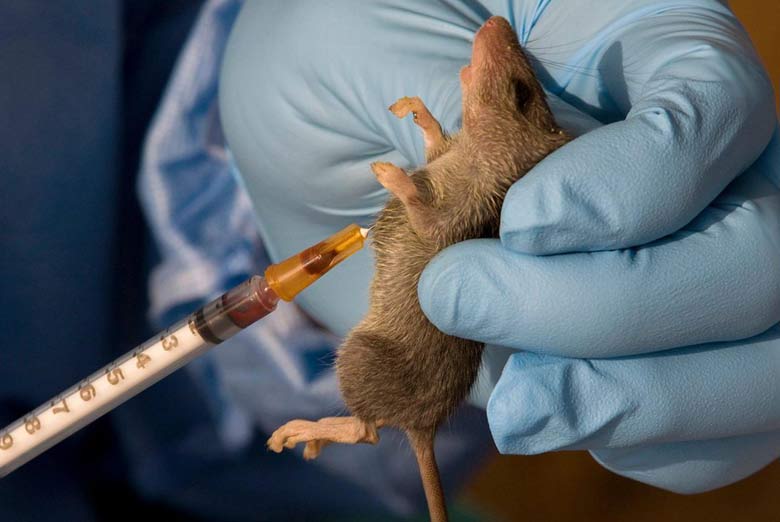
Lassa Fever is a viral disease transmitted primarily through contact with food or household items contaminated by infected rodents. Over the years, it has remained endemic in West Africa, with Nigeria recording cases annually.
The disease is particularly dangerous because of its early symptoms,fever, weakness, and headache, closely resemble common illnesses like malaria or typhoid. This often leads to delayed diagnosis and increased risk of transmission, especially within healthcare settings.
Recent reports indicate that dozens of healthcare workers have been infected in the early months of 2026 alone, with several fatalities recorded. These infections are not just numbers, they represent doctors, nurses, and caregivers who put themselves in harm’s way daily.
Experts say the risk is largely driven by:
Delayed detection of cases
Inadequate access to Personal Protective Equipment (PPE)
Exposure during patient care before diagnosis is confirmed
Without proper protection, even the most trained professionals are vulnerable.
When healthcare workers fall ill, the impact goes beyond individual loss. Hospitals become understaffed, response capacity weakens, and more lives are put at risk.
Protecting frontline workers is not optional, it is essential to controlling the outbreak.
Health experts emphasize that Lassa Fever is preventable and manageable when the right steps are taken:
Early detection and rapid response
Consistent use of PPE gloves, masks, gowns
Strict infection prevention and control protocols
Public awareness to reduce exposure to infected rodents
Healthcare institutions and government agencies are being urged to prioritize the safety of frontline workers by ensuring adequate supplies, proper training, and sustained support.
Lassa Fever may be silent, but its impact is loud and far-reaching. Protecting those on the frontlines is not just a medical priority, it is a national responsibility.
Because when we protect our healthcare workers, we protect Nigeria.