Vaginal discharge is a normal part of the female reproductive system. However, a noticeable change in its colour, consistency, quantity or smell can sometimes indicate an infection or another health problem.
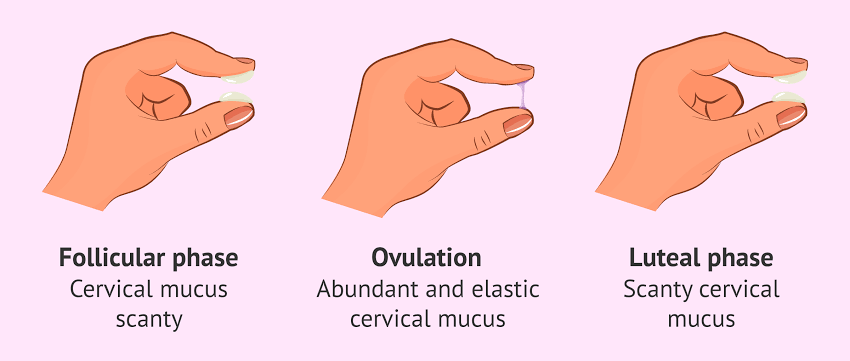
Normal vaginal discharge helps keep the vagina clean and healthy. Its amount and appearance can change during the menstrual cycle, around ovulation, during pregnancy and with hormonal changes.
The important question is not whether a woman has vaginal discharge, but whether the discharge has changed from what is normal for her.
What causes vaginal discharge and odour?
Several conditions can cause abnormal discharge or an unpleasant vaginal smell. The most common include bacterial vaginosis, vaginal yeast infection and trichomoniasis. Cervical infections and some non-infectious conditions can also cause abnormal discharge.
1. Bacterial vaginosis
Bacterial vaginosis, commonly called BV, occurs when the normal balance of bacteria in the vagina changes.
It is one of the most common causes of vaginal discharge and unpleasant odour. Women with BV may notice a thin white or grey discharge accompanied by a strong, fish-like smell. The odour may become more noticeable after sex.
BV is not simply a problem caused by being “unclean.” It results from an imbalance of vaginal bacteria. Douching, having a new or multiple sexual partners and not using condoms can increase the risk, although BV can also occur in women who are not sexually active.
2. Vaginal yeast infection
A yeast infection, medically known as vulvovaginal candidiasis, is another common cause of vaginal symptoms.
Typical symptoms include intense itching, soreness, redness, swelling and discomfort during urination or sexual intercourse. The discharge can be thick and white and may have a curd-like appearance. Unlike BV, a strong unpleasant odour is not usually the main feature of a yeast infection.
This distinction is important because many women assume that every abnormal discharge is a yeast infection and begin treatment without testing. However, different vaginal conditions can produce similar symptoms, and incorrect treatment may delay the right diagnosis.
3. Trichomoniasis
Trichomoniasis is a sexually transmitted infection caused by the parasite Trichomonas vaginalis.
It can cause increased vaginal discharge that may be clear, white, yellowish or greenish, sometimes accompanied by an unpleasant or fishy smell. It may also cause genital itching, burning, redness, painful urination or discomfort during sex.
Many people with trichomoniasis have few or no symptoms. This means a person may have the infection without realizing it and potentially pass it to a sexual partner.
4. Cervical infections and sexually transmitted infections
Infections affecting the cervix can also cause abnormal vaginal discharge. Some sexually transmitted infections, including chlamydia and gonorrhoea, may produce discharge, particularly when they cause cervicitis.
Because symptoms can overlap, a woman with persistent or unusual discharge may need laboratory testing rather than treatment based only on appearance or smell.
5. Irritation and changes in vaginal hygiene
Not every case of abnormal vaginal symptoms is caused by an infection.
Perfumed soaps, vaginal washes, deodorants, certain chemicals and douching can irritate the vulva and disturb the normal vaginal environment.
The vagina does not need to be washed internally. In fact, douching can disrupt the natural bacterial balance and increase the risk of problems such as BV.
What does the colour and smell of discharge mean?
The appearance of discharge can provide clues, but it cannot reliably establish a diagnosis.
Clear or white discharge: This can be normal, particularly when there is no strong unpleasant smell, itching, pain or irritation.
Thin white or grey discharge with a fishy smell: This is commonly associated with bacterial vaginosis.
Thick white discharge with significant itching: This may occur with a yeast infection.
Yellow or greenish discharge with irritation or odour: This can occur with trichomoniasis and other infections and should be medically assessed.
However, these descriptions are not diagnostic by themselves. Different conditions can produce overlapping symptoms.
When should a woman see a doctor?
Medical evaluation is advisable when vaginal discharge or odour is new, persistent or significantly different from normal.
A woman should particularly seek medical attention if she experiences:
- A strong or persistent unpleasant odour
- Yellow, green or unusual discharge
- Severe itching or burning
- Pain when urinating
- Pain during sexual intercourse
- Pelvic or lower abdominal pain
- Vaginal bleeding outside the expected menstrual period
- Symptoms following unprotected sex or a new sexual partner
- Recurrent episodes despite treatment
- Symptoms during pregnancy
Pregnant women with symptoms of BV or another vaginal infection should speak with a healthcare professional because some infections are associated with pregnancy complications.
How is the cause diagnosed?
A healthcare professional may ask about the symptoms, menstrual cycle, sexual history, hygiene practices and previous treatments.
Depending on the symptoms, the clinician may examine the vagina and collect a sample of vaginal fluid. Tests can include vaginal pH testing, microscopy, laboratory testing or molecular tests for particular infections.
This is important because symptoms alone are often not enough to identify the exact cause. The CDC notes that relying only on a patient’s history can lead to an incorrect diagnosis and inappropriate treatment.
Should women treat vaginal discharge themselves?
Self-treatment is not always appropriate.
For example, using an antifungal medicine when the actual problem is BV or trichomoniasis will not treat the underlying condition. Similarly, using antibiotics without a proper diagnosis can expose a person to unnecessary medication and may complicate future treatment.
The appropriate treatment depends on the cause. BV and trichomoniasis require specific antimicrobial treatment, while vaginal candidiasis is treated with antifungal medicines.
How can abnormal vaginal odour and discharge be reduced?
Women can take practical steps to protect the normal vaginal environment.
Avoid douching and unnecessary vaginal cleansing products. Wash the external genital area gently and avoid products that cause irritation. Practising safer sex, including appropriate condom use, can reduce the risk of some infections.
Most importantly, women should avoid embarrassment or shame when experiencing vaginal symptoms. Vaginal discharge is common, and conditions such as BV and yeast infections are medical issues that can be diagnosed and treated.
The bottom line
Vaginal discharge is not automatically a sign of disease. Normal discharge is part of a healthy reproductive system.
But a new change in discharge accompanied by strong odour, itching, burning, pain or an unusual colour deserves attention.
Bacterial vaginosis, yeast infections and trichomoniasis are among the most common causes, but other infections and non-infectious conditions can produce similar symptoms.
Rather than guessing the cause from the smell or colour, women with persistent or unusual symptoms should seek appropriate medical evaluation. A simple examination and laboratory test can often identify the cause and guide the correct treatment.