Between demanding jobs, family responsibilities, household chores, school, social commitments, and the constant stream of emails and notifications, many people struggle to find time for themselves.
In the middle of trying to meet deadlines and take care of others, personal well-being often becomes an afterthought as many people think self-care requires expensive spa treatments, luxury vacations, or hours of free time.
In reality, self-care is much simpler than that. It involves making intentional choices that support your physical, mental, and emotional health, these choices don’t have to be complicated or time-consuming.
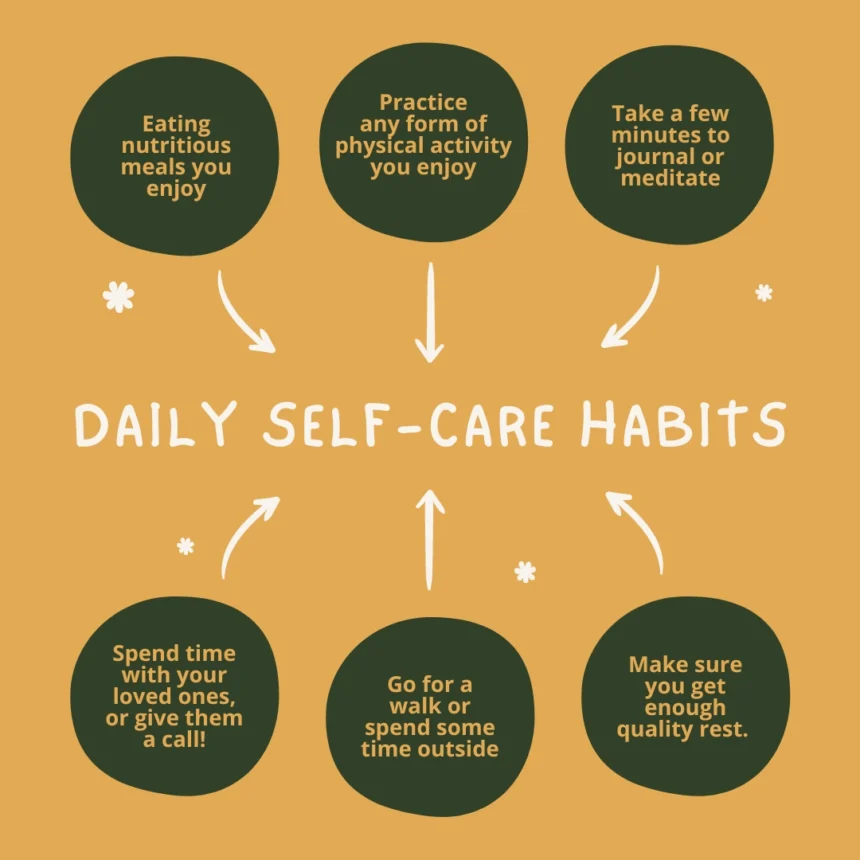
In fact, a few small habits practiced consistently can have a lasting impact on your overall well-being. Whether you’re a busy professional, a student, a parent, or an entrepreneur, incorporating simple self-care habits into your daily routine can help reduce stress, improve your mood, increase productivity, and enhance your quality of life.
1. Start Your Day with a Glass of Water
Your body loses water while you sleep, making hydration one of the best ways to begin the day. Drinking a glass of water shortly after waking up helps replenish lost fluids, supports healthy digestion, and prepares your body for the day’s activities.
Proper hydration also helps regulate body temperature, transport nutrients, and improve concentration. If plain water feels boring, try adding slices of lemon, cucumber, or mint for a refreshing twist. Carrying a reusable water bottle throughout the day can also encourage you to drink enough water regularly.
2. Move Your Body Every Day
Exercise doesn’t have to mean spending hours lifting weights or running long distances. Even short periods of physical activity can provide significant health benefits.
A 10- to 20-minute walk, a quick stretching session, cycling, dancing, or climbing stairs can improve blood circulation, strengthen muscles, and increase energy levels. Regular movement also releases endorphins, often called “feel-good hormones” which naturally improve mood and reduce stress. If you have a desk job, try standing up every hour to stretch your legs. Small movements throughout the day are better than remaining inactive for long periods.
3. Take Regular Breaks from Screens
Technology has become an essential part of daily life, but excessive screen time can negatively affect both your eyes and your mental health. Staring at digital screens for long periods may lead to eye strain, headaches, poor posture, and difficulty sleeping.
Take short breaks every hour by looking away from your screen, stretching your body, or taking a brief walk. These pauses help your eyes recover while improving focus and productivity. Consider setting “phone-free” periods during meals or before bedtime. Disconnecting from technology for even a short time can help reduce stress and improve your overall sense of well-being.
4. Eat Nutritious Snacks
When life gets busy, it’s tempting to grab sugary snacks or processed foods because they’re quick and convenient. However, these foods often cause energy crashes that leave you feeling tired and unfocused.
Instead, keep healthy snacks nearby such as:
- Fresh fruits
- Mixed nuts
- Greek yogurt
- Whole-grain crackers
- Carrot sticks and hummus
- Boiled eggs
Nutritious snacks provide steady energy, improve concentration, and help maintain a balanced diet throughout the day.
5. Practice Deep Breathing
Stress affects both the body and the mind. One of the easiest ways to reduce stress is through deep breathing.
Take one or two minutes to inhale slowly through your nose, hold your breath briefly, and exhale gently through your mouth. Deep breathing helps slow your heart rate, relax your muscles, and calm your nervous system. You can practice this technique before an important meeting, during a busy workday, or whenever you begin to feel overwhelmed.
6. Prioritize Quality Sleep
Sleep is one of the most important forms of self-care, yet it is often sacrificed because of work, entertainment, or social media. Most adults need between seven and nine hours of quality sleep each night. During sleep, your body repairs tissues, strengthens the immune system, processes memories, and restores energy levels.
To improve sleep quality:
- Go to bed at the same time each night.
- Avoid caffeine late in the day.
- Limit screen use before bedtime.
- Keep your bedroom cool, quiet, and comfortable.
A good night’s sleep helps improve concentration, emotional balance, and overall health.
7. Learn to Set Healthy Boundaries
Many people feel guilty about saying “no.” However, constantly accepting additional responsibilities can lead to stress, exhaustion, and burnout.
Healthy boundaries allow you to protect your time and energy. It’s okay to decline extra work when your schedule is already full or to postpone non-urgent commitments. Setting boundaries doesn’t mean you’re selfish, it means you’re making your well-being a priority so you can continue performing at your best.
8. Spend More Time Outdoors
Nature has a remarkable effect on mental health. Spending time outside can reduce stress, improve mood, and increase feelings of relaxation.
Whether it’s a walk in the park, gardening, sitting on your balcony, or simply enjoying fresh air during lunch, spending time outdoors helps you disconnect from daily pressures and reconnect with your surroundings. Sunlight also helps your body produce vitamin D, an essential nutrient that supports bone health and immune function.
9. Make Time for Activities You Enjoy
Life shouldn’t revolve entirely around work and responsibilities.
Engaging in activities you genuinely enjoy provides emotional balance and gives your mind a chance to recharge. Whether it’s reading, painting, listening to music, cooking, photography, writing, gardening, or spending time with loved ones, hobbies create moments of happiness that improve your overall quality of life. Even setting aside just 15 or 20 minutes a few times each week can make a noticeable difference.
10. Practice Gratitude Every Day
Gratitude is a simple habit with powerful effects.
Taking a few minutes each day to focus on the positive aspects of your life can improve emotional well-being, reduce stress, and encourage a more optimistic outlook. You might write down three things you’re grateful for each evening or simply reflect on positive moments from your day. Over time, practicing gratitude helps shift your focus from what’s missing to what you already have.
Why Self-Care Matters
Self-care isn’t about being selfish or avoiding responsibility. Instead, it ensures you have the physical and emotional resources needed to manage life’s challenges effectively.
When you consistently take care of yourself, you’re more likely to:
- Experience lower stress levels.
- Improve your physical health.
- Increase your productivity.
- Build stronger relationships.
- Think more clearly.
- Feel more emotionally balanced.
- Reduce the risk of burnout.
Looking after yourself also allows you to be more present for your family, friends, colleagues, and community. When your own needs are met, you’re better equipped to support others.
Final Thoughts
In today’s fast-paced world, it’s easy to believe that being busy means putting yourself last. Many people postpone looking after their health until they feel exhausted, overwhelmed, or unwell. However, self-care works best when it becomes a regular part of everyday life rather than something reserved for weekends or special occasions.
The good news is that meaningful self-care doesn’t require major lifestyle changes. It starts with small, practical decisions like drinking enough water, taking a short walk, getting adequate sleep, eating nourishing foods, spending a few minutes outdoors, or simply giving yourself permission to rest. While each habit may seem minor on its own, their combined effect can significantly improve your physical health, mental clarity, emotional resilience, and overall quality of life.
No matter how busy life becomes, remember that your well-being deserves attention. Making time for yourself isn’t a sign of weakness or selfishness, it’s one of the wisest decisions you can make. By choosing small acts of self-care every day, you’re building a healthier, happier, and more balanced life, one simple habit at a time.