
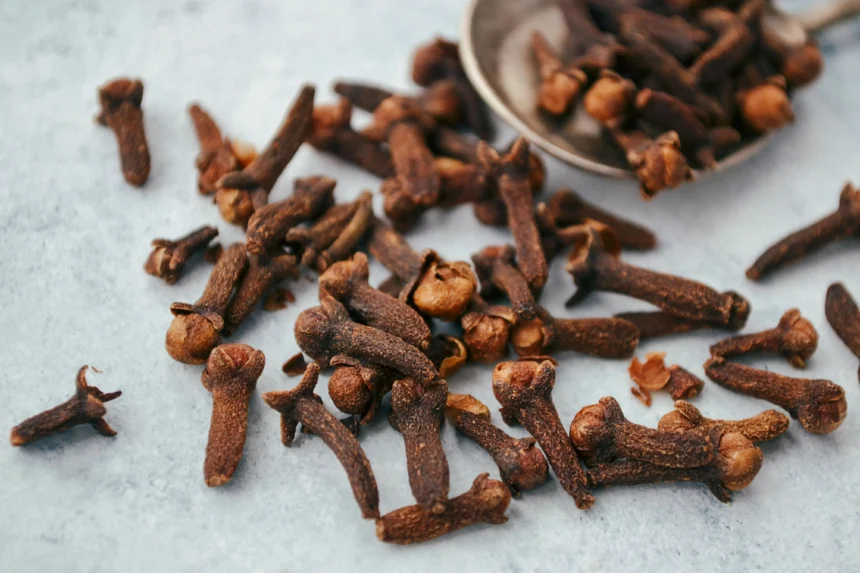
In many rural communities across northern Nigeria, local remedies such as clove tea and moringa leaf steam are gaining attention as affordable alternatives for easing menstrual discomfort and supporting menstrual hygiene among girls and women.
Traditional health practitioners and local users say the two natural products, which are readily available in many households, are increasingly being used to relieve menstrual stress and discomfort. Scientific studies have also highlighted the health benefits of both clove and moringa, particularly their anti-inflammatory and antimicrobial properties.
The growing use of these remedies comes as medical experts continue to emphasize the importance of proper menstrual hygiene for women and adolescent girls.
Health professionals note that maintaining good menstrual hygiene helps prevent infections, protects reproductive health, and reduces discomfort that can disrupt daily activities at school, markets, and workplaces. Poor menstrual hygiene can increase the risk of reproductive tract infections and create social and emotional challenges for girls.
The World Health Organization defines menstrual hygiene management as ensuring women and girls use clean menstrual materials to absorb or collect blood, change them as often as necessary, and have access to clean water, mild soap, and safe disposal facilities.
Medical experts recommend changing sanitary pads or tampons every four to six hours, or sooner if soaked. They also advise washing the external genital area with clean water and mild soap at least twice daily, while ensuring hands are washed before and after changing menstrual materials to prevent the spread of bacteria.
Improved menstrual hygiene allows girls to participate fully in daily activities without discomfort or embarrassment.
According to UNICEF, only about 11 percent of schools in Nigeria have basic water, sanitation, and hygiene facilities that adequately support girls during menstruation, a gap that continues to affect attendance and dignity.
In rural communities, especially in northern Nigeria and parts of Kwara State, women say clove tea and moringa leaf steam provide low-cost relief from menstrual cramps and discomfort.
Because these natural remedies are often grown in household gardens or found within local communities, they are easily accessible and offer an affordable option for families unable to purchase commercial menstrual care products regularly.
A young woman in Kwara State described the practice as a practical local solution.
“This is a local remedy that helps my sister manage her monthly cycle. Every girl should know simple ways to care for herself, and it helps reduce menstrual stress,” she said.
Public health experts acknowledge that clove and moringa have traditional medicinal value and may offer supportive relief due to their natural anti-inflammatory properties.
However, they stress that these remedies should complement—not replace—standard menstrual hygiene practices and professional medical care.
“Local remedies can be culturally relevant and supportive, but they are not substitutes for proper medical attention when symptoms become severe,” a reproductive health specialist explained.
Experts advise women experiencing heavy bleeding, fever, foul odor, severe pain, or unusual discharge to seek immediate medical attention.
They also warn that steam treatments can pose risks of burns if not properly handled and should not be used on broken skin or during pregnancy without medical guidance.
The United Nations Human Rights Council in its 2024 resolution called for universal access to affordable, safe, and clean menstrual hygiene products and facilities worldwide.
In response to growing awareness, Nigeria launched its first National Policy on Menstrual Health and Hygiene Management in 2025, with implementation running through 2030.
The policy seeks to ensure that no girl in Nigeria is forced to choose between managing menstruation and pursuing her education.
Meanwhile, UNICEF programmes across Nigeria continue to provide safe menstrual hygiene spaces in schools and distribute dignity kits containing reusable pads, soap, and hygiene materials, particularly in internally displaced persons’ camps.
Community advocates in Kwara State say while local remedies such as clove tea and moringa steam can help bridge gaps where commercial products remain unaffordable, they should always be accompanied by education on safe menstrual hygiene practices.
For many rural girls, these traditional remedies are more than household solutions they represent resilience, accessibility, and a practical response to limited resources.