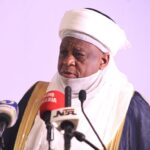
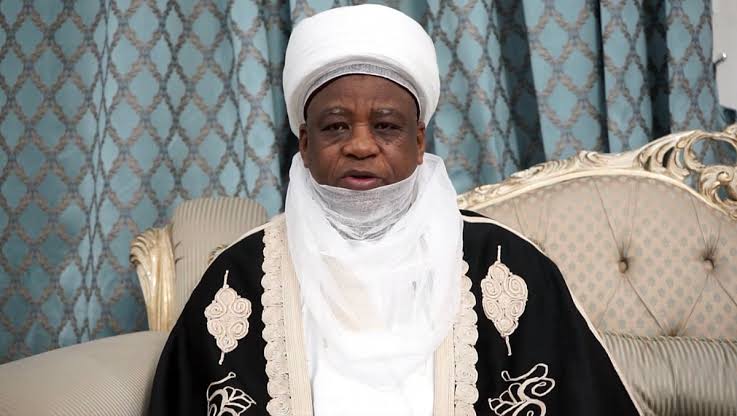
The Sultan of Sokoto, Alhaji Sa’ad Abubakar III, has cautioned politicians and public officials against using allegedly stolen public funds to sponsor pilgrims to the holy lands of Mecca and Jerusalem.
The Sultan issued the warning on Wednesday in Abuja while speaking at the opening ceremony of a stakeholders’ meeting organised by the Nigeria Inter-Religious Council (NIREC), themed “Shared Sacred Flourishing in Nigeria.”
He said religious acts funded with corrupt proceeds would not be accepted by God, urging politicians and public officials to avoid using public resources obtained through corruption to finance religious obligations.
“You cannot steal money and send people to Jerusalem or Mecca with corrupt funds and think God will accept your deeds. God is not corrupt, so you cannot use corrupt money for Hajj or anything else,” the Sultan said.
The monarch also called on religious leaders to work closely with anti-corruption agencies in tackling corruption, stressing that the fight against graft should cut across political, religious and social affiliations.
He specifically urged the Economic and Financial Crimes Commission (EFCC) to prosecute individuals involved in corruption regardless of their political or religious status.
According to him, religious identity should not be used to shield anyone facing legitimate legal proceedings.
“Whoever is involved – our brothers, sisters, fathers, or friends should face the law,” he said, while urging the EFCC to carry out its responsibilities without political interference.
The Sultan further urged religious leaders to exercise caution in their public statements, particularly during election periods, and avoid using religious platforms to incite division or attack public officials.
He called for prayers for national leaders and encouraged greater understanding between Christians and Muslims, saying interfaith dialogue was essential for peace, stability and national development.
Abubakar also distinguished between tolerance and genuine understanding, urging Nigerians of different faiths to seek deeper mutual understanding and cooperation rather than merely tolerating one another.
The NIREC meeting brought together Christian and Muslim leaders, government officials, security representatives and other stakeholders to discuss issues relating to interfaith cooperation and national development.
During the event, Professor Adedibu Ojerinde, Chairman of the Interfaith Anti-Corruption Advisory Committee, highlighted an interfaith anti-corruption manuals project developed in collaboration with the EFCC and religious leaders.
He said the initiative is designed to mobilise religious platforms, including Friday sermons and Sunday messages, to promote anti-corruption values using teachings from the Bible and Qur’an.
The Sultan’s remarks come amid continued calls from religious and civic leaders for greater accountability in the management and use of public resources.