


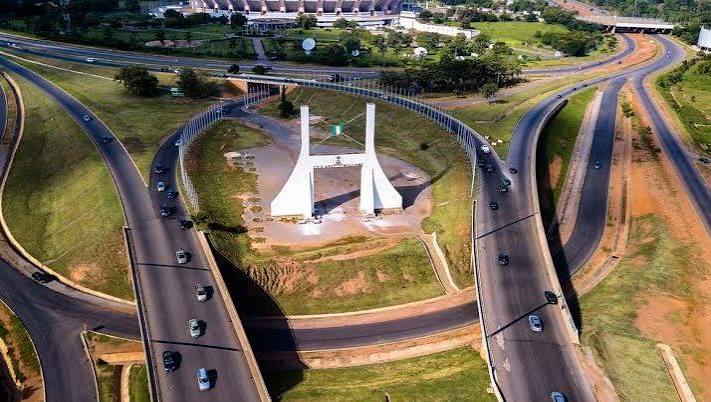
Imagine driving through Abuja on an ordinary day. You see someone by the roadside and decide to stop briefly to pick up a friend, drop off a relative or allow a passenger to alight.
Before you can move again, a group of men approaches your vehicle. They demand money, insist that you have violated an unwritten rule and refuse to let you leave without paying.
You ask what the offence is. They insist on their payment.
Your questions are met with hostility. Your attempt to drive away could turn into a confrontation. And what should have been a harmless stop suddenly becomes a frightening encounter.
For many Abuja residents, this is the troubling reality associated with the activities of some men popularly known as agberos or area boys.
In September 2025, the Foundation for Investigative Journalism (FIJ) reported allegations of roadside extortion in areas including Area 1 Roundabout, Banex Junction, Berger, Mabushi and Dutse, where motorists reportedly faced demands for ticket fees and threats.
Where did the agbero phenomenon begin?
The word agbero is commonly used for touts and passenger callers who operate around motor parks and bus stops. Traditionally, they helped commercial drivers attract passengers and fill their vehicles, often earning commissions in return.
However, some of these activities gradually became associated with disputes over money, transport routes, union influence and alleged extortion.
Research by Daniel E. Agbiboa, published in African Affairs in 2018, examined how motor-park touts in Lagos became involved in informal enforcement, transport unions and political mobilisation, linking these developments partly to economic insecurity.
Although this history provides context, the specific origins of agberos in Abuja require further local research.
How did the problem reach Abuja?
As Abuja expanded, the demand for transportation and roadside passenger pick-up points created opportunities for informal transport workers. But complaints about alleged extortion and intimidation also emerged.
In May 2014, Vanguard reported concerns about area boys operating around Abuja’s motor parks and bus stops. More than a decade later, FIJ documented similar allegations in September 2025.
The persistence of these reports raises an important question: Why do residents continue to face these concerns despite years of public complaints and enforcement efforts?
The problem goes beyond demands for money. Motorists may fear refusing to pay, while commercial drivers face additional costs on top of fuel, maintenance and other expenses. These pressures can reduce earnings and potentially contribute to higher transport fares.
The danger was highlighted by reports of a fatal crash in Mabushi in September 2025. FIJ linked the incident to an alleged attempt to force a motorist to pay a ticket fee, similarly the deaths of a family of four in a crash associated with an alleged roadside-payment confrontation.
Not every transport worker or union representative engages in extortion. Legitimate transport dues and authorised government levies must be distinguished from unlawful demands.
Why does the problem persist?
Unemployment and economic hardship may push some people towards informal work, but neither justifies intimidation or unlawful collections.
Unclear collection rules can also make it difficult for motorists to know who has legitimate authority to demand payment. Meanwhile, inconsistent enforcement may allow reported practices to return after temporary crackdowns.
Authorities must investigate complaints, clarify authorised levies and determine whether any individuals or organisations benefit from unlawful collections. Any wrongdoing must be established through evidence.
What should the authorities do?
The FCTA, police and relevant transport authorities should publish clear information on authorised charges, establish accessible complaint channels, investigate reported offences and strengthen oversight of transport operations.
They should also support regulated transport activities and lawful employment opportunities while ensuring that public roads remain safe and accessible.
Abuja deserves better
For some, informal transport work provides a livelihood. For others, alleged roadside extortion has become a source of fear, frustration and financial strain.
And Abuja’s residents deserve an answer.
Motorists may avoid certain locations because of safety concerns.
There is also a reputational cost. Abuja’s standing as the nation’s capital depends not only on its infrastructure but also on whether residents and visitors can move around without arbitrary demands or intimidation.
The issue is therefore about public safety, the cost of doing business, effective law enforcement and the right of residents to use public roads without unlawful interference.
What should the authorities do?
Residents should also be encouraged to report incidents safely, preserve available evidence and avoid escalating dangerous confrontations.
Abuja deserves better
The story of agberos is ultimately about the use and abuse of authority in everyday life.
For some, informal transport work is a means of survival. For others, alleged roadside extortion has become a source of financial strain, fear and frustration. Both realities deserve attention, but economic hardship must never become an excuse for unlawful behaviour.
The FCTA, police, transport authorities and unions must establish clear rules, investigate credible complaints and ensure that enforcement produces lasting results.
Otherwise, Abuja risks repeating a familiar cycle: public outrage, enforcement promises, temporary relief and renewed complaints.
When stopping by the roadside becomes a source of fear, the problem is no longer merely about agberos. It is about whether the law, rather than intimidation, determines who has authority over Abuja’s streets.
And Abuja’s residents deserve a clear answer.