

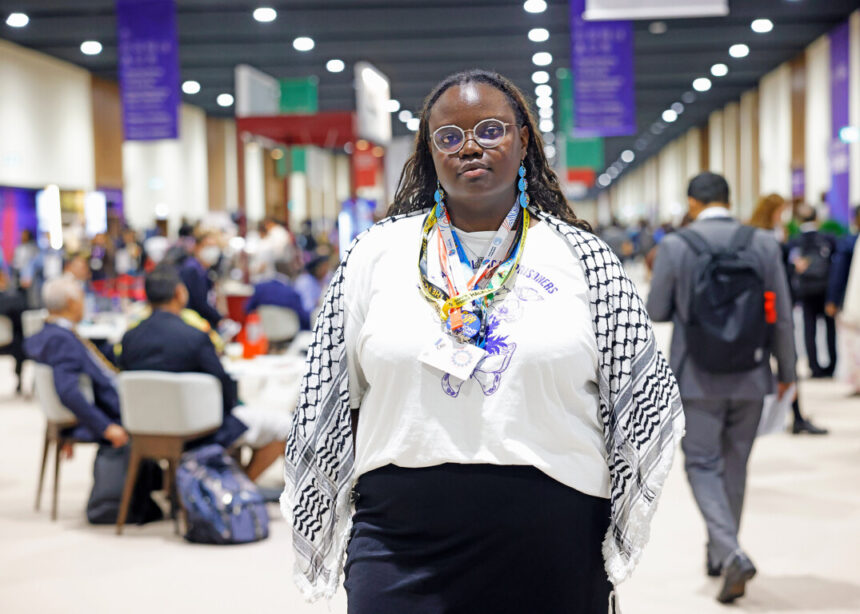
Isimbi came into the spotlight after appearing alongside Swedish climate activist Greta Thunberg and other young campaigners at a press conference on November 12, where they challenged world leaders over environmental destruction and the failure to protect communities affected by climate change.
Speaking at the event, Isimbi criticised governments and industries she holds responsible for environmental destruction, conflict and displacement, calling for land, water and natural resources to be returned to communities she said had been deprived of them for generations.
“We are not here begging for scraps. The time to pay is overdue,” she declared.
In an interview with bird story agency on the sidelines of COP31, Isimbi said Africa should not be treated merely as a source of raw materials for the global energy transition, insisting that communities must have a greater say in how the continent’s resources are developed and who benefits from them.
“Africa is not a place of extraction, a place of exploitation,” she said.
From Refugee Experience to Climate Activism
Isimbi’s advocacy is shaped by her personal experience of displacement. She spent 18 years growing up as a refugee in South Africa, where her family navigated the challenges of belonging, safety and identity.
Describing herself as a daughter of the East African Great Lakes, she traced her family roots to Rwanda and eastern Democratic Republic of Congo, saying stories shared by relatives helped her maintain a connection to the region.
She said growing up as a refugee made her understand the struggle for dignity and the right to live safely in a particular place.
That experience has influenced how she views climate change, particularly its effects on communities already facing poverty, conflict and limited public resources.
From drought in the Horn of Africa to floods across East and West Africa, extreme weather continues to threaten livelihoods and displace communities. In eastern Democratic Republic of Congo, armed conflict has also forced millions from their homes, with competition over land and resources complicating efforts to restore security.
For Isimbi, displacement is not only about losing a home but also about the struggle to rebuild lives and regain a sense of belonging.
Africa’s Mineral Wealth and the Energy Transition
A major part of Isimbi’s campaign centres on Africa’s natural resources and the need for communities to benefit from the global shift towards cleaner energy.
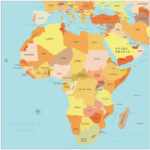
The Democratic Republic of Congo is a major supplier of cobalt, while Zambia, Zimbabwe and South Africa hold significant deposits of copper, lithium, platinum-group metals and other minerals used in renewable energy technologies, electric vehicles and batteries.
Although African governments are seeking investments to process more minerals locally, develop manufacturing industries and create jobs, much of the value generated from the continent’s resources continues to flow elsewhere.
Isimbi argues that Africa’s mineral wealth should give its people greater influence over the terms of the energy transition, particularly where mining and fossil fuel projects affect local communities, land and livelihoods.
“The world is looking to Africa because we hold the resources,” she said.
At COP31, these concerns have featured in wider negotiations over climate finance and the responsibilities of developed and developing countries.
A draft agreement circulated on November 16 proposed increasing annual adaptation finance for developing countries to at least $120 billion by 2035. It also set out an ambition to raise electricity’s share of global energy consumption to 35 per cent by the same year.
Both proposals remained under negotiation at the time of the report, while African countries continued to face significant financing needs for electricity access, transmission infrastructure, climate adaptation and industrial development.
Building a Voice for African Communities
Beyond resource ownership, Isimbi is campaigning for greater representation of people of African descent in international climate negotiations.
She is a regional coordinator of the Global Afro-Descendant Coalition for Climate Justice, which says it brings together more than 200 organisations from over 50 countries.
The coalition is seeking recognition as an official constituency under the United Nations Framework Convention on Climate Change (UNFCCC). Such recognition would provide Afro-descendant communities with a formal platform to organise and advocate within the UN climate process, although negotiating decisions would remain with governments.
Isimbi believes communities affected by historical displacement, racial inequality and environmental injustice need a stronger voice in decisions that shape their lives.
She also sees cooperation among young activists across different regions as essential to building pressure for change.
At the November 12 press conference, she appeared alongside Greta Thunberg, Indigenous Australian campaigner Rikki Dank, Nepalese parliamentarian Sagar Dhakal and Palestinian climate advocate Mohammad Usrof.
Their concerns included fossil fuel extraction, environmental destruction, conflict and displacement.
“We are no longer isolated in these boxes. We see the issues, we see the problems,” Isimbi told bird story agency.
Grassroots Organising and the Road to COP32
Isimbi’s activism developed through education and community organising. After leaving South Africa to study in Canada, she became involved in environmental and racial justice campaigns, including efforts to promote fossil fuel divestment and support Indigenous and African communities defending their land and water.
Her work spans more than nine years of organising, according to her Laidlaw Foundation biography. She was named among Starfish Canada’s Top 25 Under 25 Environmentalists in 2023 and selected as an Abundance Fellow in 2025.
Her postgraduate research at the University of Toronto examines South Africa’s transition to a greener economy and its implications for development, access to land, resources and economic opportunities.
She also founded Archive the Diaspora, an initiative focused on preserving environmental histories and supporting organising among people of African descent. Through its Miriam Makeba Environmental Youth Program, young Black people explore their histories, communities and relationship with the environment.
Although Isimbi remains sceptical that COP31 alone can deliver the changes vulnerable communities need, she sees the next climate summit as another opportunity to strengthen the campaign.
Ethiopia is due to host COP32 in Addis Ababa in 2027, bringing international climate negotiations back to Africa.
She wants communities to use the months before the summit to organise, engage their leaders and demand accountability for decisions affecting their livelihoods.
“The real work actually happens back home in community, building power from the ground up,” she said.