
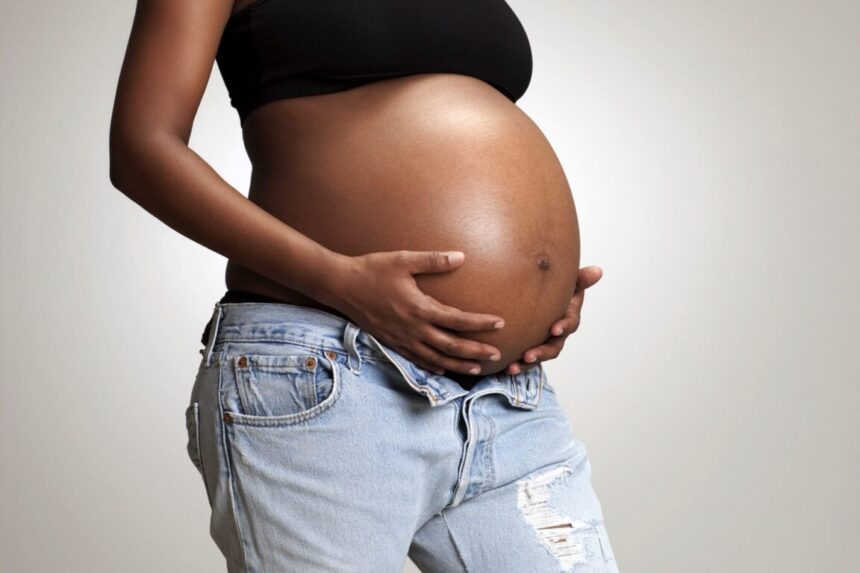
When couples decide to start a family, the conversation almost always turns to the woman.
Doctors advise women to take folic acid, eat nutritious foods, avoid alcohol, attend antenatal clinics, and prepare their bodies for pregnancy. Meanwhile, many people reduce the father’s role to a single function: providing sperm.
But science is rewriting that story.
A growing body of research shows that men influence pregnancy long before the first ultrasound, the baby’s first heartbeat, or even conception itself. A father’s lifestyle can shape the quality of the placenta, influence the mother’s risk of dangerous pregnancy complications, and affect a child’s lifelong health.
The message from reproductive scientists has become increasingly clear: healthy pregnancies begin with healthy fathers.
For years, scientists viewed sperm as little more than microscopic carriers that delivered half of a baby’s genetic material. Researchers now know they carry much more.
Every sperm cell carries DNA together with epigenetic markers—chemical instructions that respond to a man’s diet, exercise habits, stress levels, alcohol intake, smoking, sleep, and exposure to environmental toxins.
These biological signals help guide early embryo development, regulate how genes function, and support the formation of the placenta, the organ that nourishes a growing baby throughout pregnancy.
“Sperm are biological messengers,” reproductive medicine specialists explain. “They don’t simply fertilize an egg—they help shape what happens afterward.”
Pregnancy Begins Months Before Conception
Many people believe pregnancy begins only after conception.
Scientists argue that the biological process starts months earlier.
Sperm need about three months to mature. During that period, every lifestyle choice a man makes—whether he exercises regularly, eats nutritious meals, smokes cigarettes, drinks heavily, or lives with chronic stress—affects the quality of the sperm his body produces.
Unlike a scratch or bruise that heals within days, damaged sperm can carry that damage into conception, influencing the earliest stages of embryonic development.
Why Exercise Matters
For many men, work means sitting behind a desk all day before spending the evening on the couch.
While most people associate inactivity with heart disease and obesity, researchers say it also quietly undermines fertility.
Regular exercise improves blood circulation, balances hormones, reduces inflammation, and boosts testosterone levels—all of which support healthy sperm production.
Physically active men generally produce more sperm, healthier sperm, and sperm that swim more efficiently while carrying less DNA damage.
By contrast, obesity and physical inactivity increase oxidative stress, an imbalance that damages cells throughout the body, including sperm.
Researchers link damaged sperm to lower fertilization rates, poorer embryo quality, higher miscarriage rates, and pregnancy complications.
Exercise, experts emphasize, prepares men not only for better health but also for healthier fatherhood.
Smoking’s Effects Reach Beyond Fertility
Most people understand the dangers of smoking during pregnancy.
Far fewer realize the damage smoking can cause before conception even occurs.
Each cigarette exposes sperm to thousands of harmful chemicals that damage DNA and reduce sperm count, movement, and normal shape.
Scientists have found that smoking increases sperm DNA fragmentation, making embryos less likely to develop normally.
Research links poor sperm quality to miscarriage, low birth weight, premature birth, and developmental problems.
Some studies also suggest that smoking changes the epigenetic instructions carried by sperm. Those changes may influence a child’s future risk of chronic diseases.
In other words, a father’s smoking habit may affect a baby months before pregnancy begins.
Alcohol Leaves a Lasting Mark
Heavy drinking also affects reproductive health.
Excessive alcohol disrupts testosterone production, interferes with sperm development, and increases abnormal sperm.
Researchers continue to study alcohol’s effect on epigenetic markers, but growing evidence suggests excessive drinking before conception may influence fetal brain development, immune function, and long-term health.
Although scientists continue to study occasional alcohol consumption, fertility specialists consistently advise men planning fatherhood to reduce or avoid alcohol.
Stress Shapes Sperm Too
Financial pressure. Job insecurity. Long working hours.
Modern life leaves many men under constant stress.
However, stress affects far more than mental well-being.
When stress becomes chronic, cortisol—the body’s primary stress hormone,remains elevated. High cortisol disrupts testosterone production, increases inflammation, and interferes with sperm development.
As a result, men often produce poorer-quality sperm with lower fertility potential and greater DNA damage.
Researchers also suspect chronic stress alters the epigenetic markers carried by sperm, potentially influencing how genes function in future children.
A father’s emotional health, therefore, may become part of his baby’s biological story.
Fathers Also Influence the Mother’s Health
One of the most surprising discoveries concerns the mother’s health.
Seminal fluid delivers proteins and immune-regulating molecules that help prepare the uterus for pregnancy.
Repeated exposure before conception helps the mother’s immune system recognize the father’s genetic material and accept the developing embryo.
Scientists believe this immune adaptation may reduce the risk of preeclampsia, a dangerous pregnancy disorder marked by high blood pressure that threatens both mother and baby.
Although several factors contribute to preeclampsia, researchers increasingly recognize paternal health as an important part of the equation.
Healthy Sperm Build Healthy Placentas
Doctors often call the placenta the baby’s lifeline.
It supplies oxygen, nutrients, hormones, and immune protection throughout pregnancy.
Research shows that genes carried by sperm help determine how the placenta develops.
Healthy sperm support normal placental growth, while damaged sperm may contribute to poor placental development.
An unhealthy placenta increases the risk of fetal growth restriction, premature birth, and complications during delivery.
Long before the baby’s organs begin to form, a father’s health may already influence the child’s first source of nourishment.
Age Also Influences Pregnancy
Men continue producing sperm throughout life, but fertility does not remain unchanged.
Beginning around age 35, and becoming more noticeable after age 40, sperm quality gradually declines.
Older sperm contain more DNA damage and accumulate more genetic mutations.
Scientists link advanced paternal age to higher risks of miscarriage and certain rare genetic disorders. Studies also suggest a modest increase in the likelihood of autism spectrum disorder and schizophrenia among children of older fathers, although the overall risk remains relatively low.
Researchers have also identified what they call “selfish sperm”,mutated sperm-producing cells that multiply faster as men age, increasing the likelihood of passing harmful mutations to future generations.
A Shared Responsibility
For decades, health professionals focused pregnancy advice almost entirely on women.
Today, evidence points to a shared responsibility.
Doctors encourage men to prepare for fatherhood at least three months before trying to conceive. Regular exercise, nutritious meals, quitting smoking, limiting alcohol, managing stress, sleeping well, and maintaining a healthy weight all improve sperm quality.
These habits do far more than improve a man’s health. They increase the chances of healthier pregnancies, healthier mothers, and healthier children.
As scientists continue to uncover the remarkable influence fathers have before birth, one truth has become impossible to ignore.
A man’s contribution to pregnancy does not begin in the delivery room, the antenatal clinic, or even the bedroom.
It begins with the choices he makes every day.
Healthy fathers do more than help create babies, they help create healthier beginnings.